






Cutting Through the Carbon Confusion
If you’ve ever stood in a grocery aisle wondering if Chilean grapes are “worse” than Californian almonds, you understand the paralysis of climate-conscious eating. We’re bombarded with terms like “food miles,” “carbon footprint,” and “regenerative agriculture.”
We’re told to eat less meat, but what about locally raised beef versus avocados shipped from Mexico? The data can be overwhelming and often contradictory, leaving even the most well-intentioned consumer feeling like they need an environmental science degree to pack a lunch. This is where the “local food” framework shines. It’s not a perfect, one-size-fits-all solution, but it is a powerful simplifying principle. Instead of trying to trace the global journey of every item in your cart, the first question becomes much simpler: “Was this grown or produced nearby?” This one question helps you bypass a huge chunk of the industrial food system’s complexity and its associated environmental baggage.
More Than Just 'Food Miles'
The concept of “food miles”—the distance food travels from farm to plate—is the most obvious benefit of eating local. The average food item in the U.S. travels about 1,500 miles before it’s consumed. Reducing that distance by buying from a farm 20 miles away intuitively feels right, as it cuts down on transportation emissions from trucks, planes, and ships. However, critics correctly point out that transportation is only one piece of the puzzle, accounting for roughly 11% of food’s total greenhouse gas emissions in the U.S. The production phase—how food is grown—matters far more. So, is the local argument just a distraction? Not at all. Focusing on local food isn’t just about miles; it’s about what those short distances represent. Local food systems often operate on a different logic that brings a cascade of other climate benefits.
The Unseen Benefits of Buying Local
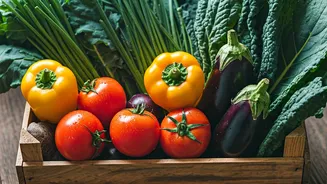
When you buy from a local producer at a farmers' market or through a CSA (Community Supported Agriculture) program, you’re often getting more than just a shorter supply chain. Here’s what else you’re supporting: **Seasonality:** Local farmers grow what thrives in the current climate, eliminating the need for energy-intensive greenhouses that try to grow tomatoes in the dead of winter. Eating seasonally is one of the most effective low-carbon dietary choices you can make. **Reduced Waste:** A significant portion of food waste happens during shipping, processing, and storage. A shorter path from farm to kitchen means less opportunity for spoilage. That head of lettuce from the farmer down the road is likely days, not weeks, old. **Sustainable Practices:** While not universally true, small-scale local farms are often more likely to use regenerative practices, build healthy soil that sequesters carbon, and protect biodiversity. You can also build a relationship with the farmer and ask them directly about their methods—a level of transparency impossible with a multinational corporation.
How to Make 'Local' Your Default
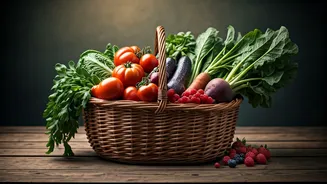
Integrating local food doesn't require a radical overhaul. It’s about shifting your habits, one meal at a time. Start by visiting a local farmers' market once a week. Don’t go with a rigid shopping list; instead, see what looks good and ask the farmer for cooking tips. It turns an errand into an experience. Consider joining a CSA. You pay a farm upfront for a “share” of the upcoming harvest, and in return, you get a box of fresh, seasonal produce every week. It’s a fantastic way to support a farm directly and discover new vegetables. At the grocery store, look for signs that identify local producers. Many stores are making it easier to spot products from your state or region. Prioritizing these items is a simple but effective choice. By making “local” your starting point, you automatically adopt many of the best practices of a climate-friendly diet without having to track a single food mile.