
A Craving for Comfort and Connection
In an age of digital saturation and global uncertainty, many are finding solace in the tangible, comforting embrace of nostalgic food. These aren't just recipes; they're culinary time capsules. A bubbling cheese fondue, a hearty beef Wellington, or a creamy
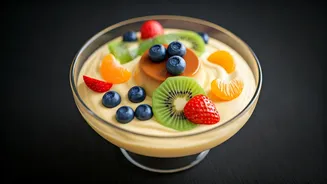
Watergate salad can feel like a direct link to a simpler, more stable past—even a past one hasn't personally experienced. Food psychologists often note that in times of stress, we gravitate toward dishes that offer a sense of security and predictability. For many Millennials and Gen Z-ers, who grew up with parents or grandparents who made these dishes, preparing them is a way to connect with family heritage. For others, it's about adopting a sense of history, finding an anchor in the comforting, carb-heavy foods that defined mid-century American kitchens.
The TikTok-ification of a Jell-O Mold
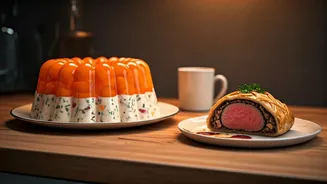
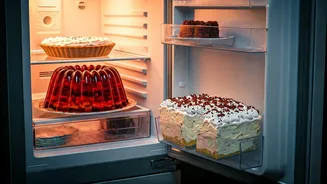
You can't discuss a modern trend without talking about social media, and the vintage recipe revival is no exception. Platforms like TikTok and Instagram are visual mediums, and what’s more visually arresting than a shimmering, multi-layered Jell-O mold or a perfectly cross-sectioned beef Wellington? Creators are drawn to the aesthetic, whether it's the kitschy, almost campy look of ambrosia salad or the sophisticated presentation of a classic French dish. Short-form videos provide the perfect format to demystify these seemingly complicated recipes. A 60-second clip can break down the steps for making a baked Alaska, transforming it from a daunting culinary project into an achievable weekend activity. This digital accessibility removes the gatekeeping, inviting a new audience to play with foods they might have only seen in old cookbooks or movies.
A Gentle Rebellion Against 'Clean Eating'
For years, the dominant food trend was an almost obsessive focus on “wellness” and “clean eating”—a world of kale smoothies, grain bowls, and demonized ingredients. The resurgence of old-school recipes feels like a gentle, but firm, rebellion against that rigidity. These dishes are often unapologetically rich. They celebrate butter, cream, sugar, and, yes, even canned and processed ingredients with a joyful lack of pretense. Watergate salad, a fluffy concoction of pistachio pudding mix, canned pineapple, and Cool Whip, is a perfect example. It's the antithesis of a farm-to-table green salad. This return to indulgence is less about unhealthy eating and more about reclaiming pleasure and rejecting guilt. It’s a declaration that food can be fun, frivolous, and delicious without needing to be optimized for nutritional perfection.
From Mockery to Mainstream
Many of these resurrected dishes were, for a time, punchlines. The 1970s, in particular, was notorious for its questionable culinary creations, from savory gelatin molds filled with tuna to anything and everything being wrapped in bacon. But distance has a way of turning mockery into affection. A generation that didn't have to live through the nightly reality of these dishes is free to cherry-pick the best, most interesting, and most visually appealing examples. They can appreciate a grasshopper pie or a cheese ball for its retro charm without any of the cultural baggage. It's a culinary thrift-shopping expedition, where forgotten gems are polished up and given a new life, often with a modern twist, like using fresh ingredients or more refined techniques while keeping the spirit of the original intact.