



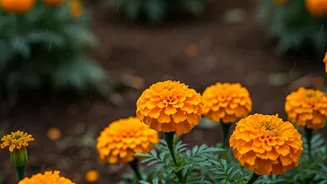




The Underground Warriors Against Nematodes
The strongest case for the marigold’s heroic status lies beneath the soil. Many garden soils are plagued by root-knot nematodes, microscopic roundworms that feed on plant roots, causing stunted growth, wilting, and poor yields in vegetables like tomatoes,
peppers, and squash. This is where certain marigold varieties, particularly French marigolds (Tagetes patula), perform their most valuable service. They release a biochemical compound called thiophene from their roots, which is highly toxic to these destructive nematodes. This process, known as biofumigation, doesn't just repel them; it actively reduces their population in the soil. Planting marigolds in a bed a season before you plant your vegetables can effectively 'cleanse' the soil, creating a much healthier environment for the next crop.
A Scent That Repels Pests Above Ground
The marigold's distinct, pungent aroma isn't just for show. That sharp scent, which some gardeners love and others tolerate, is a key part of its defense mechanism. The oils in the leaves and flowers can deter a variety of flying and crawling insects. Many gardeners swear by interplanting marigolds with their vegetable crops to ward off pests like the tomato hornworm, squash bugs, and Mexican bean beetles. While scientific evidence for this is less robust than the data on nematodes, the anecdotal proof from generations of gardeners is compelling. The strong smell appears to confuse pests that locate their host plants by scent, effectively masking the delicious aroma of your prize-winning tomatoes.
A Beacon for Beneficial Insects
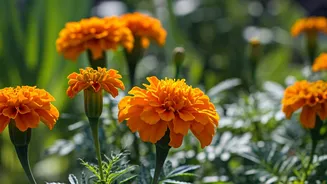
A great pest management strategy isn't just about repelling the bad guys; it's also about attracting the good ones. The bright, simple blooms of marigolds are an excellent source of nectar for beneficial insects. They attract pollinators like bees and butterflies, which are essential for a productive garden. More importantly for pest control, they also draw in predatory insects like hoverflies, ladybugs, and parasitic wasps. The larvae of many of these insects are voracious predators of common pests like aphids. By planting marigolds, you're not just putting up a defensive wall; you're inviting a security team to patrol your garden and handle pest outbreaks naturally.
Know Your Varieties and Limitations
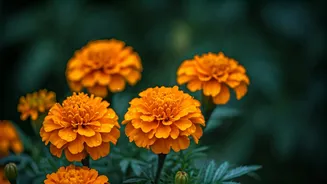
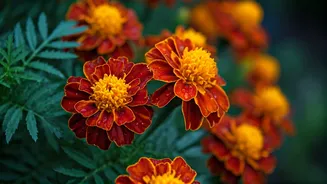
Not all marigolds are created equal in the pest-fighting department. For the most potent effect, especially against nematodes, choose French marigolds ('Tangerine', 'Bonita Mixed', 'Nema-Gone'). They tend to have a stronger scent and produce higher concentrations of the necessary root chemicals compared to their larger cousins, the African marigolds (Tagetes erecta). It’s also crucial to manage expectations. Marigolds are not a magical force field that will create a completely pest-free zone. They are largely ineffective against slugs and snails. In hot, dry conditions, they can unfortunately become a target for spider mites, which could then spread to other plants. Think of them as a valuable player on a team, not a solo superstar.
How to Put Your Marigolds to Work
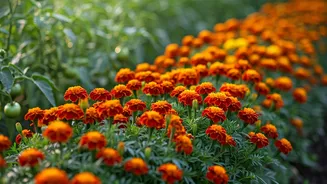
To get the most out of your marigolds, strategic placement is key. For general pest deterrence and attracting beneficials, interplant them throughout your vegetable beds. Place one marigold plant for every two or three vegetable plants, such as alongside each tomato or pepper. This ensures their scent and root compounds are distributed effectively. Another powerful technique is to plant a dense border of marigolds around the entire perimeter of your garden. This creates a protective barrier that can confuse pests trying to find their way in. For severe nematode problems, consider planting a cover crop of French marigolds in the fall. Till them into the soil the following spring before planting your vegetables to maximize the biofumigation effect and enrich the soil.