

Why the Monsoon is Magical
For most travel destinations, rain is a deal-breaker. In Kerala, a sliver of paradise on India's southwestern coast, it’s the main event. From roughly June to September, the southwest monsoon rolls in, transforming the landscape into an impossibly lush
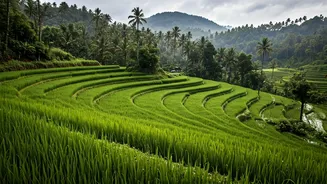
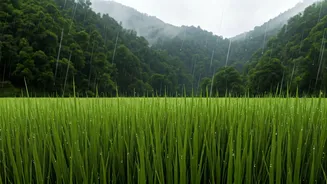
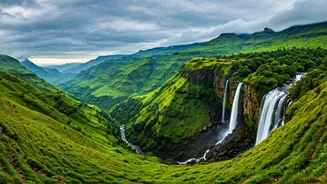
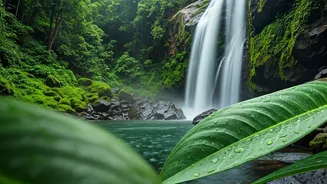
spectacle. The dusty greens of the dry season explode into a thousand shades of emerald. Rivers swell, waterfalls cascade with newfound power, and the state’s famous backwaters become even more dramatic under moody skies. It’s a multi-sensory experience: the rhythmic drumming of rain on a tiled roof, the cool mist that hangs over tea plantations, and the earthy fragrance of petrichor that locals call the 'scent of the monsoon.' This isn't a time to be stuck indoors; it’s a time to witness nature’s most spectacular renewal.
The Off-Season Advantage: Your Budget
The secret weapon for experiencing this magic is that the monsoon is considered the off-season for international tourism. This translates directly into significant savings. Flights to airports like Cochin (COK) and Trivandrum (TRV) are often markedly cheaper than during the high season from December to February. The real prize, however, is accommodation. Luxury resorts, boutique hotels, and iconic Keralan houseboats (kettuvallams) that command premium prices in winter can be booked for a fraction of the cost. You can snag a room with a stunning view of the rain-swept backwaters or a misty tea garden without breaking the bank. Beyond the financial perks, the lack of crowds means a more intimate and authentic experience. You’ll have those serene vistas, quiet temples, and local markets largely to yourself, allowing for a deeper connection with 'God's Own Country.'
Where to Embrace the Rain
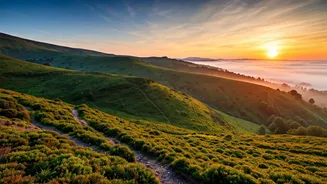
While the entire state is beautiful during the monsoon, certain areas offer a quintessential rainy season experience. Munnar, the famous hill station, is breathtaking as low-hanging clouds weave through its rolling tea plantations. The mist creates a serene, almost mystical atmosphere perfect for leisurely drives and short hikes between downpours. Down in the lowlands, the backwaters of Alleppey (Alappuzha) take on a different character. Cruising on a houseboat while watching heavy rain lash the water’s surface from the comfort of a covered deck is an unforgettable experience. For waterfall chasers, Athirapally Falls, often called the 'Niagara of India,' is at its thunderous best during this season. Instead of a single stream, it becomes a powerful, unified torrent—a truly awesome sight.
Ayurveda and Other Rainy Day Activities
The monsoon is traditionally considered the best time for Ayurveda, the ancient Indian system of medicine. According to Ayurvedic principles, the moist, cool, and dust-free atmosphere during the rains helps the body’s pores open up, making it more receptive to herbal oils and therapies. Many visitors come specifically for 'Panchakarma,' a rejuvenating detoxification treatment. Beyond wellness, the season is perfect for cozy, indoor pursuits. Sign up for a Keralan cooking class to master the art of coconut-based curries, or simply find a hotel with a deep veranda, order a hot chai, and read a book set against the soundtrack of the downpour. Many resorts also offer cultural performances like Kathakali (a traditional dance-drama) in the evenings, providing a perfect end to a rain-soaked day.
Practical Tips for Monsoon Travel
A little preparation goes a long way. Pack lightweight, quick-drying clothes and avoid heavy fabrics like denim. A reliable raincoat and waterproof footwear are essential. While the rain can be intense, it often comes in bursts, not a constant drizzle, so be flexible with your itinerary. A morning sightseeing trip might get rained out, but the afternoon could be clear and beautiful. When booking transport, be aware that heavy rains can occasionally cause delays or road closures in hilly areas, so build some buffer time into your travel days. Finally, insects can be more prevalent, so a good repellent is a must. Embrace a slower pace; the Keralan monsoon isn't about rushing from one sight to the next, but about surrendering to the rhythm of the rain.