



From Trash to Black Gold
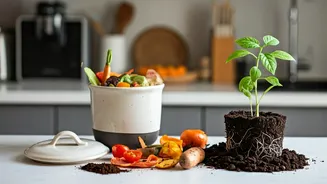
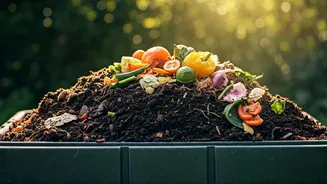
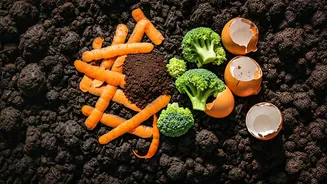
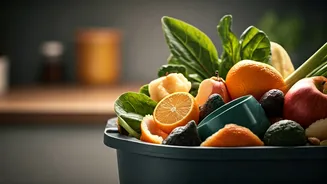
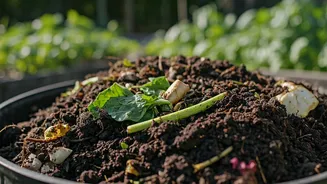
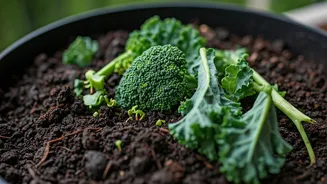
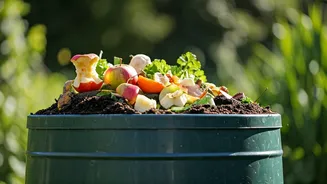
At its core, composting is nature’s recycling program on fast-forward. It’s the process of breaking down organic waste—think fruit and vegetable peels, eggshells, coffee grounds, and yard trimmings—into a dark, crumbly, nutrient-rich material called humus,
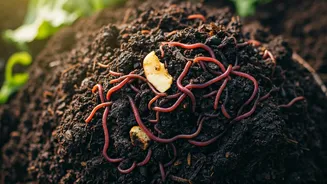
or more affectionately, “black gold.” Instead of being sealed in a plastic bag and hauled to a landfill where it will release potent methane gas, this organic matter is given a second life. Microorganisms like bacteria and fungi, along with worms and insects, get to work, feasting on the scraps and transforming them into a superfood for soil. It’s a simple, elegant alchemy that turns the end of a meal into the beginning of a new growth cycle. This isn’t a new invention; it’s a process that has sustained forests and fields for millennia. What’s new is the deliberate, almost reverent way we’re bringing this cycle back into our homes and communities.
The Why Beyond the Bin
So why bother with a separate bin for your onion skins and apple cores? The environmental case is compelling. According to the EPA, food scraps and yard waste make up more than 30 percent of what we throw away. In landfills, starved of oxygen, this organic material decomposes anaerobically, producing methane—a greenhouse gas over 25 times more potent than carbon dioxide at trapping heat in the atmosphere. By composting, you directly interrupt this harmful process. You sequester carbon in the soil, reduce the burden on overflowing landfills, and cut down on the pollution generated by garbage trucks. Furthermore, the finished compost is a powerhouse for gardens and houseplants. It improves soil structure, helps retain moisture (reducing the need for watering), and provides a slow-release source of essential nutrients, eliminating the need for chemical fertilizers. It’s a tangible, hands-on way to fight climate change and pollution from your own kitchen.
The Rise of 'Compost Cred'
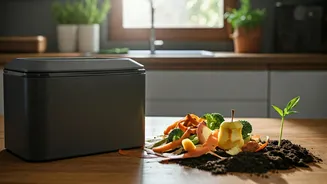
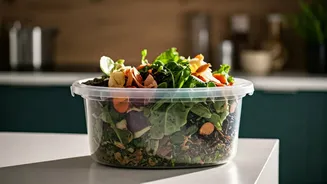
Beyond the ecological benefits, composting has become a powerful social signal—a quiet badge of honor in an era of conscious consumerism. It’s a story you tell about your values without saying a word. The sleek countertop compost bin is the new Vitamix, a symbol of a household that’s thoughtful, resourceful, and in tune with the planet. This is the “cred” a compost pile provides. It's a physical manifestation of your commitment to sustainability, visible to neighbors and discussed at dinner parties. In urban areas, participating in a community garden’s compost program or subscribing to a curbside pickup service creates a sense of shared purpose. People trade tips on what their worms like to eat or boast about the rich, earthy smell of their finished pile. This practice connects us to our food system, forcing a daily reckoning with what we consume and what we waste. It transforms a mindless chore—taking out the trash—into a mindful ritual of contribution.
Getting Your Hands Dirty (The Easy Way)
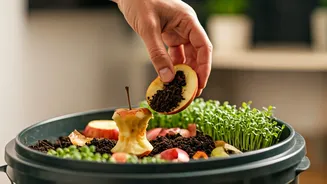
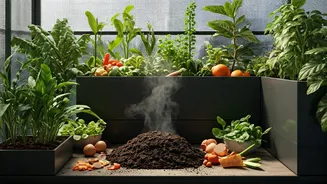
The good news is that acquiring compost cred doesn't require a sprawling backyard or a degree in soil science. Getting started is easier than ever. For those with outdoor space, a simple pile or a rotating compost tumbler can turn scraps into soil in a few months. For apartment dwellers, vermicomposting—using a worm bin—is a surprisingly odorless and efficient indoor option. These compact systems can fit under a sink or on a balcony, and the worms do all the hard work. Even easier are the growing number of municipal and private services that offer curbside compost pickup, just like recycling. You simply fill a provided bin with your food scraps, and they handle the rest. Farmers' markets and community gardens also frequently serve as drop-off points. The barrier to entry is lower than it has ever been, making it possible for almost anyone to join the movement.