



Beyond Holiday Hours
Most savvy travelers know to check for major public holidays. Christmas Day, Thanksgiving—the big ones are baked into our planning. But the closures that truly blindside us are far more subtle. Think of state-specific holidays, like Seward's Day in Alaska
or Kamehameha Day in Hawaii. These can lead to unexpected closures of state offices, parks, and even some private businesses. Even more granular are municipal events. A small town’s annual Founder’s Day parade could shut down the entire main street you planned to drive down. A local food festival might close a park for setup and cleanup for days before and after the event. The assumption that 'if it's not a federal holiday, everything is open' is a rookie mistake that can cost you a full day of your vacation. The key is to think locally: before you go, a quick search for “[destination] local event calendar” or “[destination] city holidays” can reveal these trip-altering details.
The Seasonal Surprise
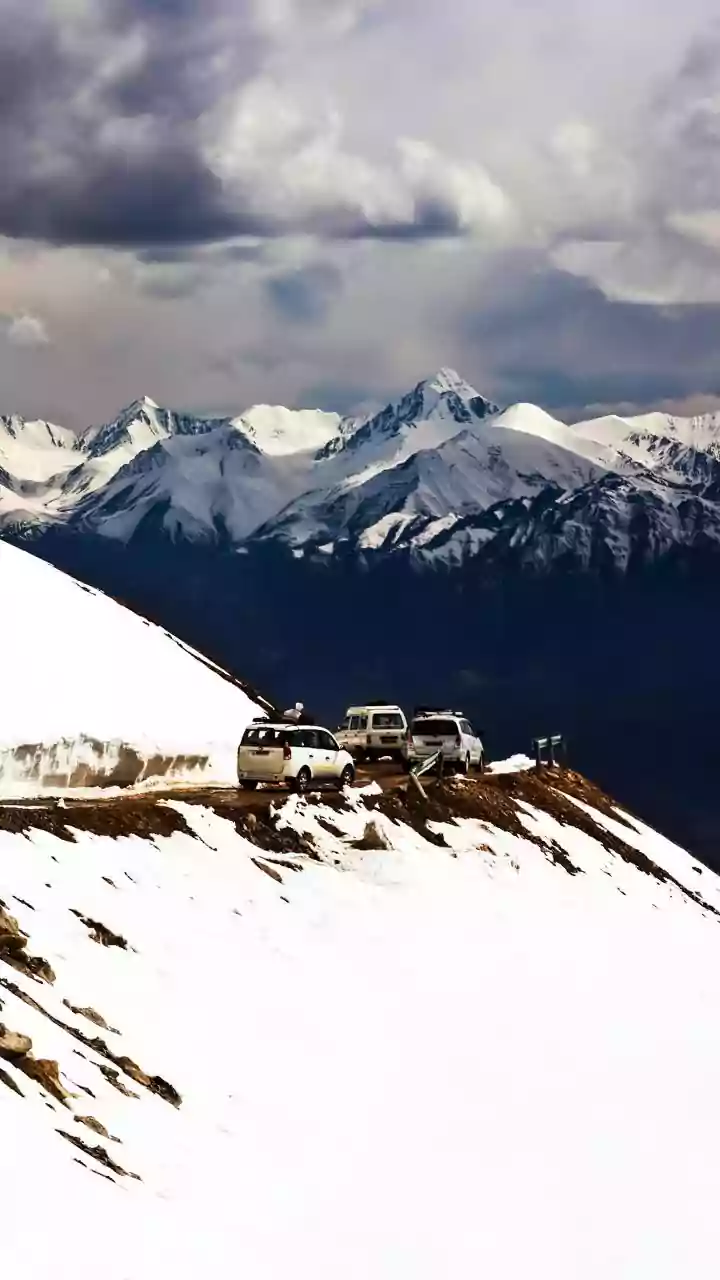
Seasonality affects more than just the weather. Many destinations operate on entirely different schedules depending on the time of year, and these “soft” closures are easy to miss. A beloved mountain pass or scenic drive, like the Going-to-the-Sun Road in Glacier National Park, is only fully open for a few months a year due to snow. Arriving in May with dreams of driving it will lead to disappointment. Similarly, coastal towns that thrive in summer can become ghost towns in the off-season. That famous lobster shack might only be open from Memorial Day to Labor Day. European destinations, particularly in Italy and France, are famous for the 'August shutdown,' where many family-run shops and restaurants close for weeks at a time. The solution is to dig deeper than a simple Google Maps hours check. Visit the official website for the park, road, or business in question, as they will almost always post their seasonal operating dates.
The Ripple Effect of Major Events
You might not be in town for the marathon, but the marathon is in town for you. Major events like city-wide races, political conventions, or even large concerts create a “closure bubble” that extends far beyond the event itself. Roads are closed for the race route, creating gridlock across the city. Public transit is re-routed. Restaurants near the finish line may be closed for private parties or simply inaccessible. The same goes for filming locations; if a movie or TV show is shooting on a particular street, it could be closed to all traffic and pedestrians with little public notice. Before visiting a major city, always check the official city website or tourism board for a list of major upcoming events that could impact your mobility.
Unpredictable Nature and Infrastructure
Some closures can’t be planned for, but you can be prepared for them. Wildfires in the West can shut down national parks and highways for weeks. A hurricane on the Gulf Coast can cause evacuations and long-term infrastructure damage. A sudden rockslide can close a scenic highway in a mountainous region indefinitely. While you can’t predict these acts of nature, you can monitor them. If you’re traveling to a region prone to certain weather events, know the season. For the American West, this means checking air quality apps and official fire incident maps (like InciWeb). For road trips, having an app like Waze or checking the state’s Department of Transportation (DOT) website is non-negotiable. These tools provide real-time updates on road closures, construction, and accidents that a standard GPS might miss until you’re already stuck.
Your Pre-Trip Closure Checklist
Turning this knowledge into action is simple. A week before your trip, and then again the day before you visit a specific site, run through a quick check:
1. **Official Websites:** Always trust the official source over a third-party aggregator. For national parks, go to NPS.gov. For a museum, go to its direct website. They will have the most accurate and up-to-date alerts.
2. **Social Media:** Follow the X (formerly Twitter) or Facebook accounts of the state park, city police department, or local transit authority. They often post real-time closure information that doesn’t make it to the website immediately.
3. **Google Maps Layers:** Use the traffic and transit layers in your mapping app. They often display icons or warnings for reported closures and construction. This can give you a quick visual overview of potential trouble spots on your route.