


The Calorie Imbalance Problem
The fundamental rule of weight management is the same for our pets as it is for us: calories in versus calories out. When your dog or cat’s daily exercise plummets, their energy expenditure does, too. If their food intake remains the same, that unburned
energy is stored as fat. It might not seem like a big deal over a few days, but a week of inactivity coupled with regular feeding can be the start of a slippery slope toward unhealthy weight gain. Even a pound or two on a small animal can put significant stress on their joints, heart, and other organs, increasing the risk for conditions like arthritis and diabetes down the line.
Assess, Don't Just Guess
Before you arbitrarily cut your pet’s portions, take a moment to assess their current condition. The scale can be misleading, as muscle weighs more than fat. A better tool for owners is the Body Condition Score (BCS). You should be able to feel your pet’s ribs easily under a thin layer of fat, but not see them protruding. When looking at your pet from above, you should see a visible waistline or “tuck” between their ribs and hips. If their sides are straight like a coffee table or bulge outwards, they are likely carrying extra weight. This simple visual and tactile check gives you a much better baseline than a number on a scale.
How to Safely Reduce Portions
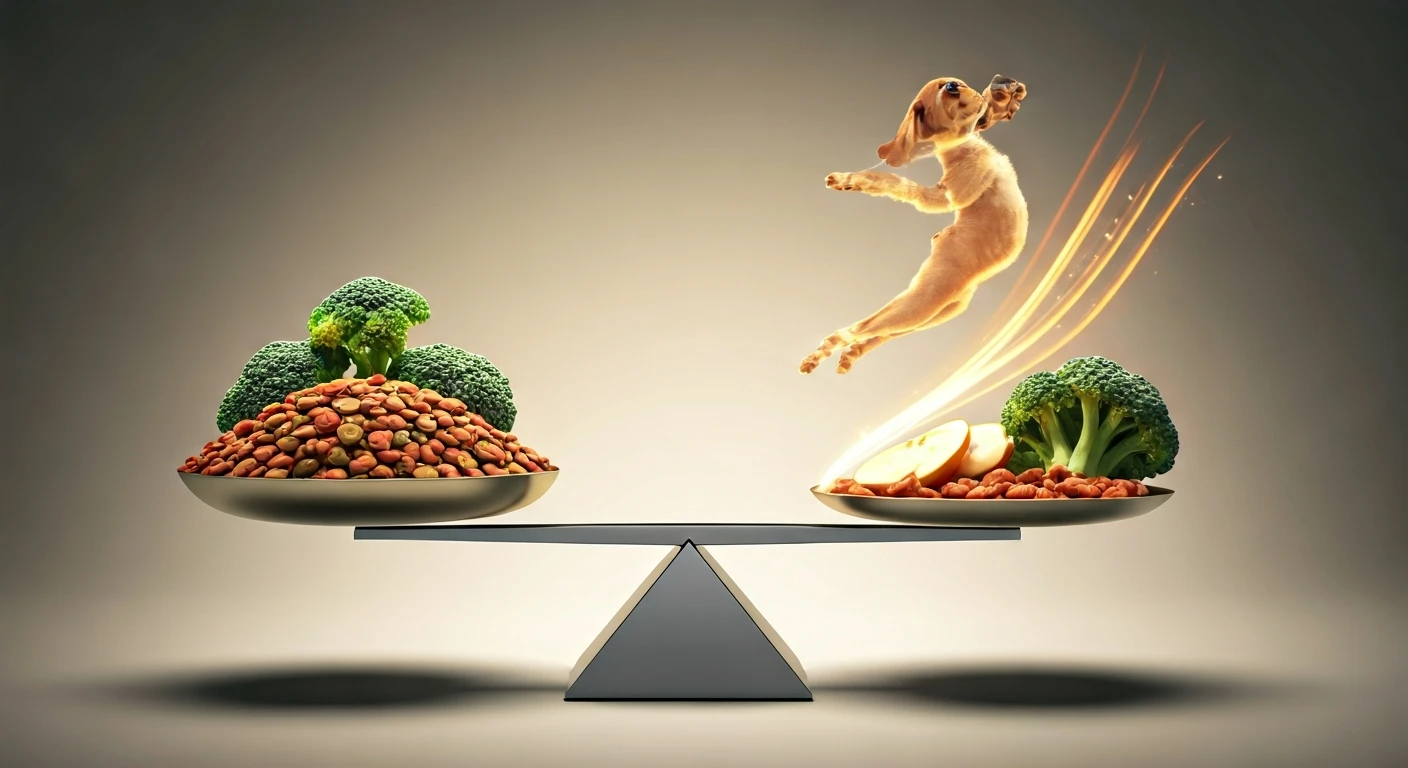
If you’ve determined a temporary food reduction is necessary, precision is key. Ditching the “eyeball method” and using a standard, 8-ounce measuring cup will ensure consistency. Most high-quality pet foods list the kilocalories (kcal) per cup on the bag. A good rule of thumb for a temporary activity drop is to reduce their daily intake by about 10% to 15%. For example, if you normally feed two cups a day, you might reduce that by a quarter cup. Avoid drastic cuts, which can leave your pet feeling hungry and may lead to nutritional deficiencies. The goal is to match their intake to their new, lower energy needs, not to put them on a crash diet.
Audit the Treats and Boost Engagement
Meals are only part of the equation; treats are often the biggest source of hidden calories. A single medium-sized dog biscuit can contain 30-40 calories, which adds up quickly. During low-activity periods, it's wise to cut back on high-calorie snacks. You can substitute them with low-calorie alternatives like baby carrots, green beans, or small pieces of apple (without seeds) for dogs. For both cats and dogs, you can make mealtime itself an activity. Instead of serving food in a bowl, use a puzzle feeder or a snuffle mat. This forces them to work for their food, providing mental stimulation and slowing down their eating, which helps them feel fuller on a slightly smaller portion.
Consult Your Vet for Long-Term Plans
This advice is best suited for short-term, temporary changes in your pet’s routine, like a week of bad weather. If your pet’s activity levels are going to be reduced for an extended period due to an injury, a change in your living situation, or your own health, a conversation with your veterinarian is essential. They can help you formulate a safe, effective, long-term nutrition plan that accounts for your pet’s specific age, breed, and health profile. They can also rule out any underlying medical issues if your pet is already overweight and help you manage their health proactively.