





The Flaw in 'Destination-First' Thinking
Let’s be honest: the traditional travel model is broken. You book a trip to Miami six months out, envisioning sun-drenched beaches, only to be met with a week of torrential rain. You plan a Colorado ski trip a year in advance and arrive during a frustratingly
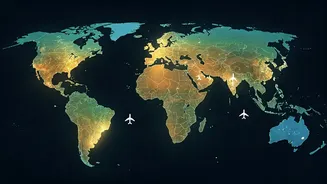
dry spell. We’ve all been there, held captive by a non-refundable booking and a destination that isn’t delivering its core promise. This is the fundamental flaw of destination-first planning. You’re betting against nature, locking yourself into a specific location and hoping for the best. Weather-led destination hunting flips this script entirely. Instead of asking, “Where do I want to go?” it asks, “What experience do I want to have, and where is that experience happening *right now*?” The destination becomes the variable, not the constant, and the quality of your experience skyrockets as a result.
The Undeniable Economic Advantage
The smartest travelers are often the most frugal, and this method is a masterclass in saving money. When you decouple your plans from a specific, in-demand location, you sidestep the entire ecosystem of surge pricing. Airlines and hotels use sophisticated algorithms to capitalize on predictability. Everyone wants to go to Aspen for President’s Day weekend or Cape Cod for the Fourth of July, and prices reflect that. But when your search query is “Where is it 75 degrees and sunny within a 3-hour flight next weekend?” the game changes. You’re suddenly looking at off-peak or shoulder-season destinations that are desperate for tourists. A flight to a less-hyped city might be half the price. A hotel in a beautiful region experiencing an unexpected patch of perfect weather won’t have had time to inflate its rates. This flexibility is a powerful tool for arbitrage, allowing you to buy the same product—a great vacation—for a fraction of the cost, simply by going where demand isn’t artificially concentrated.
It's an Upgrade in Experience
Beyond the savings, weather-led travel simply leads to better trips. Think about it: you are guaranteed the foundational element of your desired vacation. If you want to ski, you go where the powder is deepest *that week*. If you want to hike, you head to the national park with clear skies and mild temperatures. This approach eliminates the disappointment of a rained-out beach trip or a foliage tour before the leaves have turned. It also frees you from the crushing weight of crowds. The masses are stuck in the places they booked months ago, regardless of the conditions. You, the savvy weather-hunter, are enjoying an idyllic spot that may be flying completely under the radar. This creates a sense of discovery and serendipity that is often missing from hyper-planned itineraries. You might end up in a charming town you’d never heard of, enjoying the best weather of the year, while everyone else is huddled under an umbrella in a tourist trap.
How to Actually Do It
This isn't just a philosophy; it’s a practical strategy enabled by modern technology. Start with a flexible mindset and a general timeframe, like “a long weekend next month.” Then, use the tools at your disposal. Google Flights’ “Explore” feature is your best friend. Leave the destination blank, select your dates, and filter by weather or interests. Apps like Kayak and Skyscanner offer similar broad search functions. For more precision, use weather apps with detailed long-range forecasts, like AccuWeather or The Weather Channel, to identify regions with promising patterns. Set up fare alerts for multiple potential destinations that fit your criteria. The key is to have a few options in your back pocket and pull the trigger when a perfect combination of good weather and a great price appears, often just one to three weeks out. It requires a bit of spontaneity, but the payoff is a trip that feels custom-made for the moment.