




The Glorious Absence of Everyone
The first thing you notice isn't the rain; it's the quiet. A monsoon holiday is a trip devoid of the usual tourist-season frenzy. That serene temple you saw on Instagram? You might actually get it to yourself for a few minutes. The charming local restaurant?
You won't have to book a week in advance. The feeling of 'cheating' comes from sidestepping the entire infrastructure of mass tourism. You’re not fighting for a spot on the beach or waiting in a 45-minute line for a photo op. Instead, you're experiencing a place as it exists for the people who live there, not just as a backdrop for visitors. This quiet allows for genuine interactions, for watching daily life unfold at its natural pace, and for feeling like a temporary local rather than just another customer.
A World Washed Anew
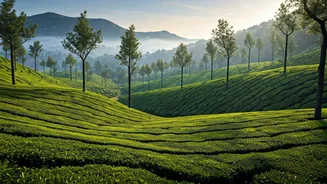
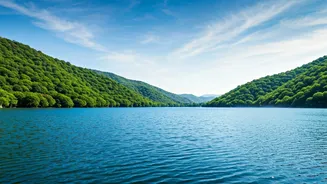
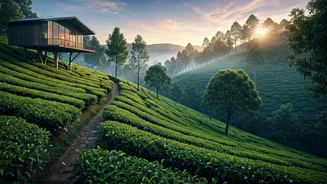
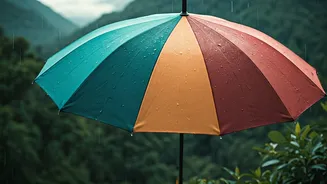
Forget the postcard image of a sun-scorched landscape. The monsoon transforms everything. Dusty browns and faded yellows are replaced by an almost impossibly vibrant spectrum of greens. The air, cleansed by the downpour, feels fresh and carries the rich, earthy scent of petrichor. Waterfalls that are mere trickles in the dry season become thundering spectacles. Rice paddies turn into shimmering emerald mirrors. This isn't a lesser version of a destination; it's a different, more dramatic one. The daily rain, often a predictable afternoon affair rather than an all-day washout, becomes a punctuation mark in your day. It’s an excuse to duck into a cozy cafe, read a book on a covered veranda, and simply watch the world get a bath. The beauty is dramatic, moody, and deeply atmospheric.
The Obvious Perk: Your Wallet
Let’s be direct: traveling in the off-season is a financial cheat code. Airlines and hotels, desperate to fill empty seats and rooms, offer deals that are unthinkable during peak months. Five-star luxury can suddenly become accessible at three-star prices. Activities and tours are often discounted, and you have more bargaining power in local markets. This isn't just about being cheap; it's about being smart. The money you save can be reinvested into the trip itself—splurging on a world-class meal, taking a private cooking class, or extending your stay for a few extra days. The value proposition is so skewed in your favor that it’s hard not to feel like you’ve found a glitch in the system that everyone else is too sun-obsessed to notice.
Embracing a Slower Pace
Peak-season travel often comes with a frantic, checklist-driven energy. You’re rushing from one sight to another, trying to cram everything in before the crowds get worse. Monsoon travel forces you to slow down. An afternoon thunderstorm isn't an inconvenience; it's a mandatory break. It’s an invitation to linger over a long lunch or take a nap without feeling guilty. This enforced downtime changes the very texture of your vacation. It shifts the focus from 'doing' to 'being.' You find joy in smaller moments—the rhythm of the rain on the roof, the taste of a hot cup of tea, a conversation with a shopkeeper who has time to chat. It’s a more mindful, restorative form of travel that leaves you feeling more connected to the place you’re visiting.
A Note on Practicality
Of course, this 'perfect' contrarian trip requires some common sense. Yes, you will get wet. Pack a lightweight waterproof jacket, quick-drying clothes, and footwear you don’t mind getting muddy. Be aware that some more remote hiking trails or boat trips might be canceled due to weather. The key is flexibility. Don't create a rigid, minute-by-minute itinerary. Instead, have a list of indoor and outdoor options and be ready to pivot based on the day’s forecast. A little bit of humidity and a few canceled plans are a small price to pay for the immense rewards of having a destination practically to yourself.