


The End of ‘Checklist Tourism’
For years, the aspirational Indian vacation followed a familiar script. It involved hitting the most famous landmarks, snapping photos at every prescribed viewpoint, and cramming as much activity as possible into a short leave from work. Think a whirlwind
tour of Rajasthan’s palaces or a weekend fighting for a spot on a crowded Goan beach. The goal was to see it all, do it all, and have the social media posts to prove it. Success was measured in ground covered. But for India’s millennials and Gen Z, a demographic cohort representing one of the largest youth populations on Earth, that model is losing its appeal. They’re not just looking for a vacation; they’re seeking an antidote. The new travel currency isn’t about how many places you can tag, but the quality of the experience you have in one. It’s a conscious move away from the performative hustle of sightseeing and toward something more personal and restorative.
Driven by Burnout and the Search for Authenticity
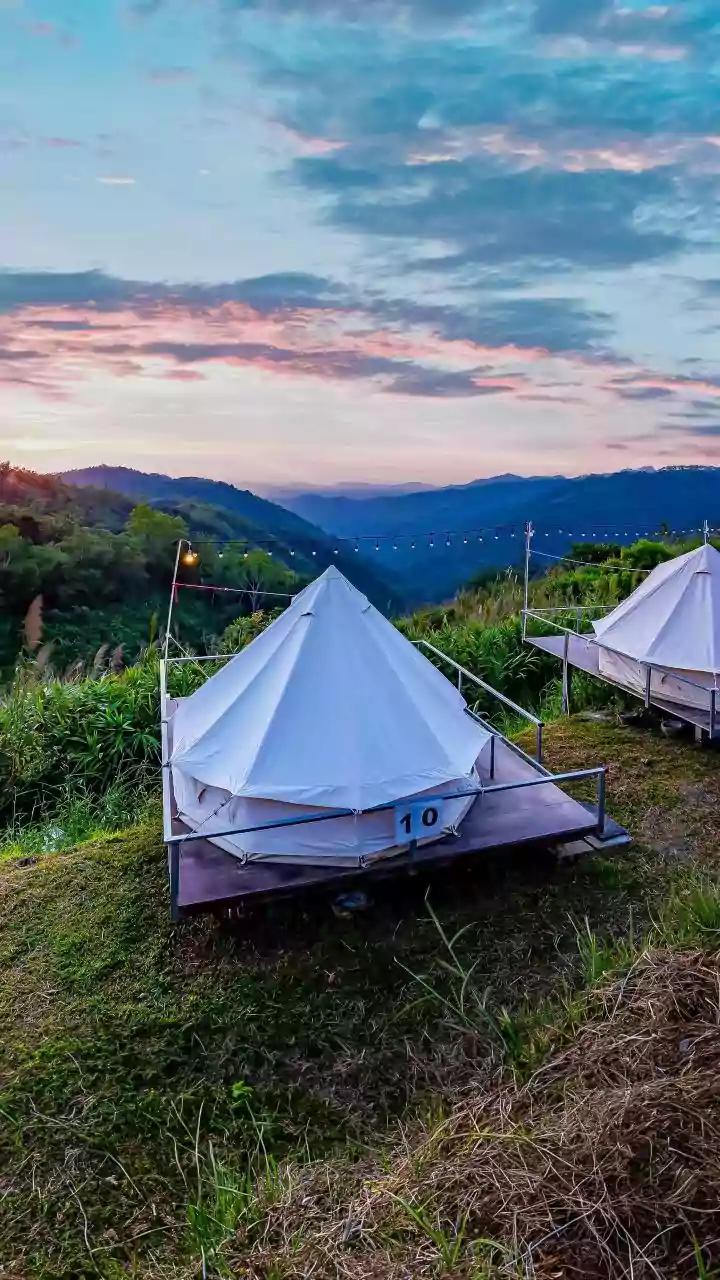
So, what’s driving this massive shift? The primary culprit is modern urban life. Young professionals in bustling metropolises like Mumbai, Delhi, and Bengaluru face immense pressure, long commutes, and a pervasive culture of overwork. The result is widespread burnout. A frantic vacation that just mirrors the chaos of their daily lives is the last thing they want. Instead, they crave silence, nature, and mental space. This desire is amplified by a digital-first generation’s nuanced relationship with social media. While their parents might have sought status through predictable luxury, younger Indians are curating lives that value authenticity. They still post, but the flex is no longer a photo in front of the Taj Mahal. It’s a quiet shot of a mountain sunrise from a remote homestay, a video of learning a local craft, or a story about a meaningful conversation with a host. It's about discovering a hidden gem and showing you’re in-the-know, not just following the herd.
The Rise of the ‘Workation’ and Homestay
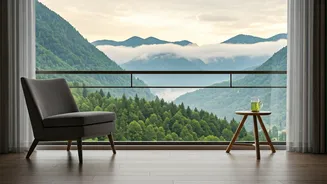
The pandemic-era normalization of remote work provided the final catalyst, popularizing the “workation” or “bleisure” (business + leisure) trip. Why work from a cramped city apartment when you could answer emails from a balcony overlooking a tea plantation in Munnar or the Himalayan foothills in Uttarakhand? This has untethered young Indians from the traditional one-week-off model, allowing for longer, more immersive stays. This trend has also reshaped accommodation preferences. Large, impersonal hotel chains are being passed over for boutique properties, eco-resorts, and, most significantly, homestays. Platforms like Airbnb and a host of local competitors have boomed by connecting travelers with hosts who offer not just a room, but a local experience. Travelers want to eat home-cooked regional food, get recommendations that aren't in a guidebook, and feel a genuine connection to the place they’re visiting. This isn't just about saving money; it’s about trading sterile uniformity for character and community.
From Crowded Beaches to Quiet Mountains
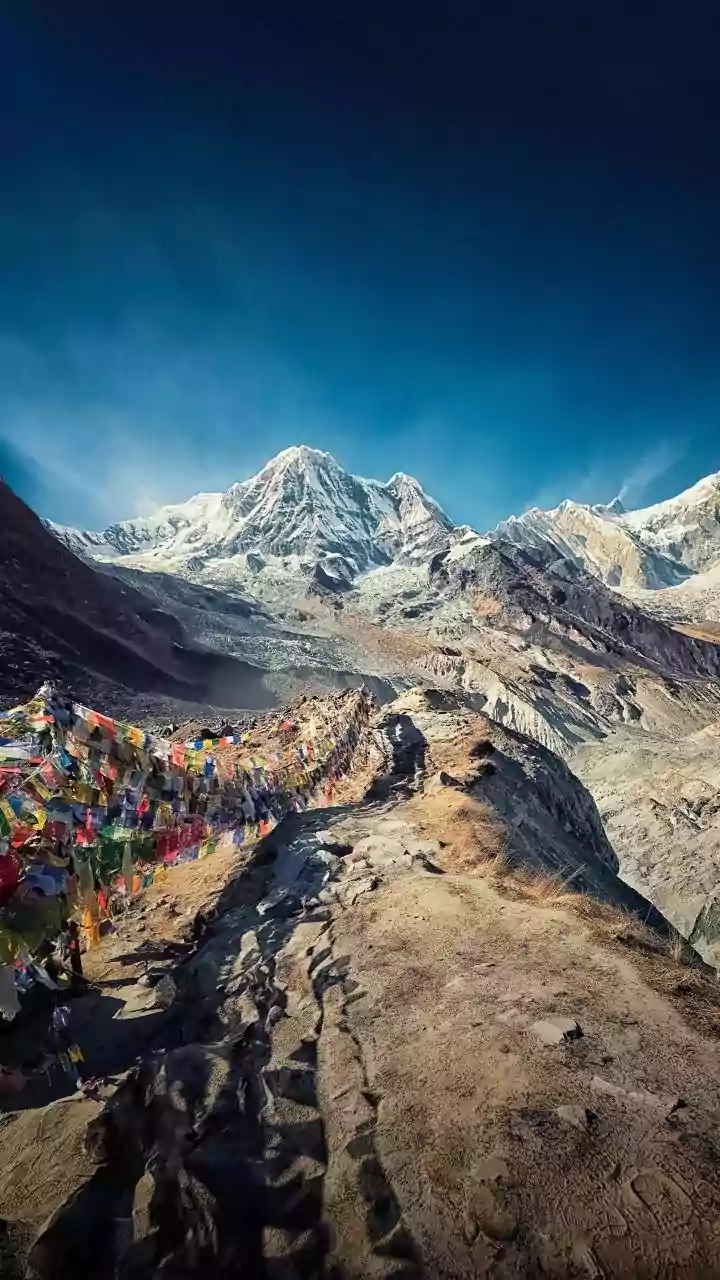
This new travel philosophy is redrawing the tourist map of India. While perennial hotspots like Goa and Shimla still draw crowds, there’s a massive surge in interest for offbeat destinations. Travelers are flocking to the quiet coastal villages of Karnataka, the serene backwaters of Kerala, the rugged landscapes of Spiti Valley in Himachal Pradesh, and the lush, forested corners of the Northeast. These are places where the main attraction is the lack of attractions. The activities are changing, too. Instead of nightclubbing and water sports, itineraries are built around hiking, yoga retreats, bird watching, or simply reading a book in a hammock. The goal is participation, not observation. It’s a shift from consuming a destination to coexisting with it, even for a short while. This slower pace allows for the serendipitous discoveries—the chat with a local artisan, the unplanned detour to a waterfall—that are impossible on a tight schedule.