
An Otherworldly Destination
Tucked away in the Chamoli district of Uttarakhand, a mountainous state in northern India, lies the Valley of Flowers National Park. This isn't just any pretty landscape; it's a UNESCO World Heritage Site, revered by botanists, spiritual seekers, and mountaineers
for its staggering natural beauty. According to local legend, it’s the place from which the Hindu deity Hanuman collected a life-saving herb. For most of the year, it lies dormant under a thick blanket of snow. But when the monsoon rains arrive, it undergoes a miraculous transformation.
The Reward for Planning Ahead
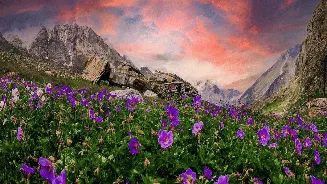
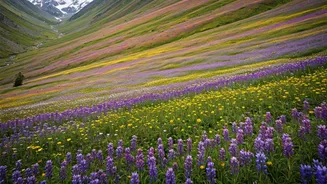
The first test of patience comes in the planning. You can’t just book a flight and go. The valley is only open to the public from June to October, and the peak blooming season is even shorter—typically from mid-July to mid-August. This is when the valley floor and surrounding slopes are carpeted with over 500 species of alpine flowers, creating a vibrant tapestry of blue, pink, yellow, and white. This narrow window means travelers must plan their trip months, sometimes a year, in advance. It’s a powerful lesson in aligning your schedule with nature’s, not the other way around.
The Journey Is the Prelude
The second test of patience is the journey itself. There are no direct routes or quick flights into the valley. The typical journey for an American traveler starts with a flight to Delhi, followed by a connecting flight or train to Dehradun or Rishikesh. From there, it’s a long, winding, and breathtakingly scenic road trip that can take up to 10-12 hours to reach the base area of Govindghat or Pulna. The roads carve through mountains and follow rushing rivers, a slow-moving preamble that forces you to decelerate and acclimate to the Himalayan pace of life. This isn't a bug; it's a feature. The slow approach builds anticipation and respect for the remote wilderness you are about to enter.
The Trek to the Threshold
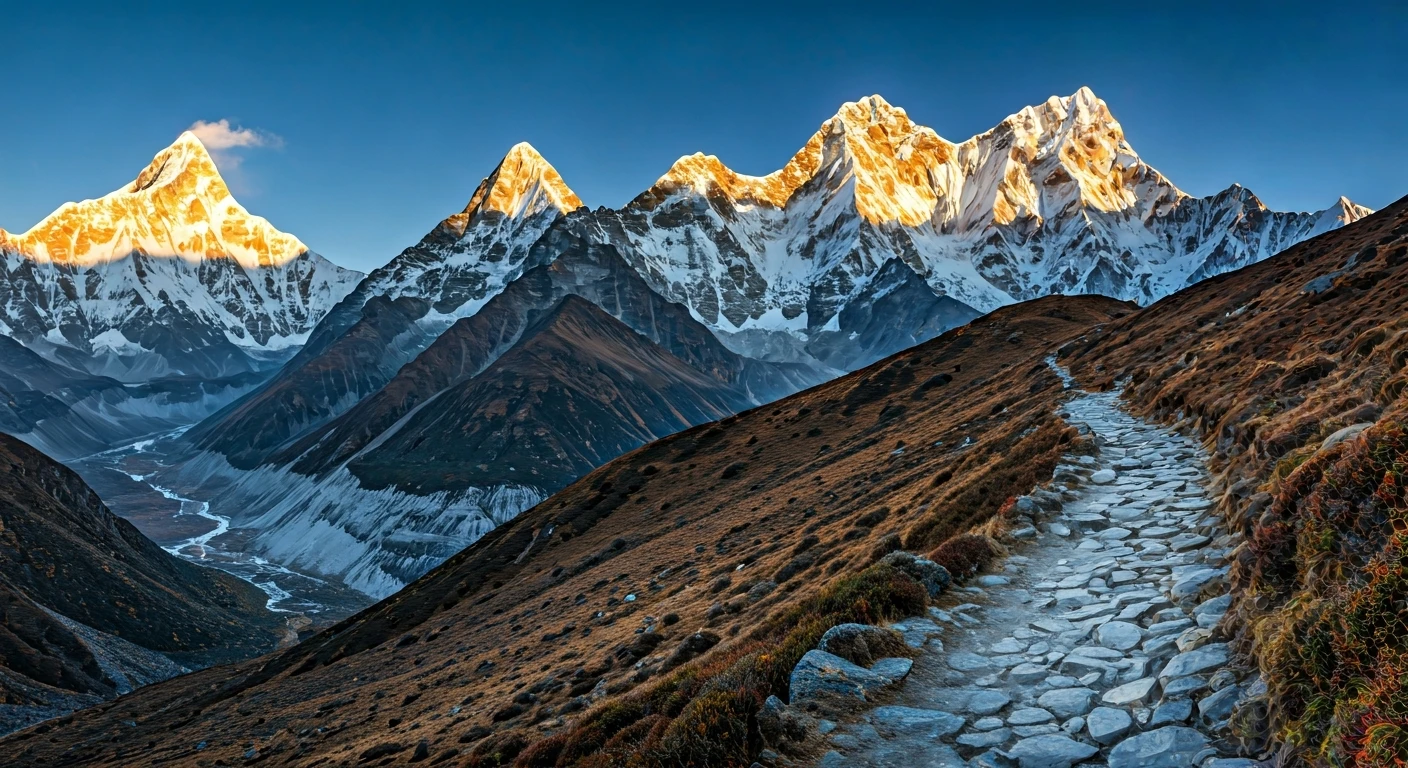
From the road’s end, the real trek begins. The journey to Ghangaria, the small village that serves as the base camp for the Valley of Flowers, is a roughly 8-mile hike. While the path is well-maintained, it’s a steady uphill climb alongside the gushing Pushpawati River. You can hire a porter or a mule to carry your luggage, but your own two feet are the primary mode of transport. This day of physical exertion purges the last vestiges of city life. By the time you arrive in the rustic, electricity-sparse village of Ghangaria, you’re fully immersed in the mountain environment, ready for the main event.
Entering a Living Painting
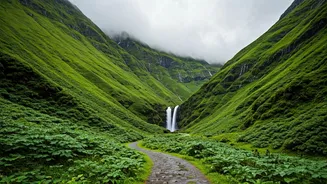
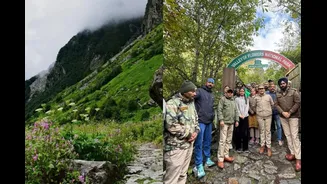
The final reward comes the next day. After a short hike from Ghangaria, you pass a checkpoint and officially enter the Valley of Flowers. The change is immediate and profound. The narrow trail opens up into a wide, U-shaped valley flanked by snow-dusted peaks. And everywhere you look, there are flowers. You’ll see the famous Himalayan blue poppy, the elusive Brahma Kamal (the state flower of Uttarakhand), cobra lilies, and countless other blooms you’ve likely never seen before. Butterflies and birds flit through the meadows. The air is clean, cool, and fragrant. It’s a sensory experience that feels both epic and deeply serene, a powerful payoff for the patient traveler who made the journey.