

The End of the Beach Monopoly
For as long as most of us can remember, the American summer vacation has been synonymous with the beach. It’s a cultural script written in saltwater taffy and zinc oxide: pack the car, fight traffic, and stake out a small patch of sand to call your own
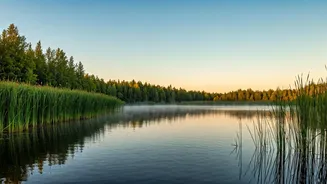
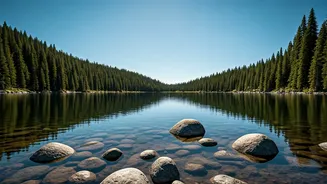
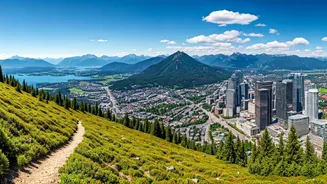
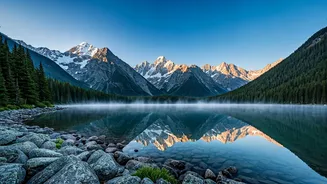
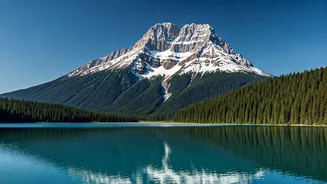
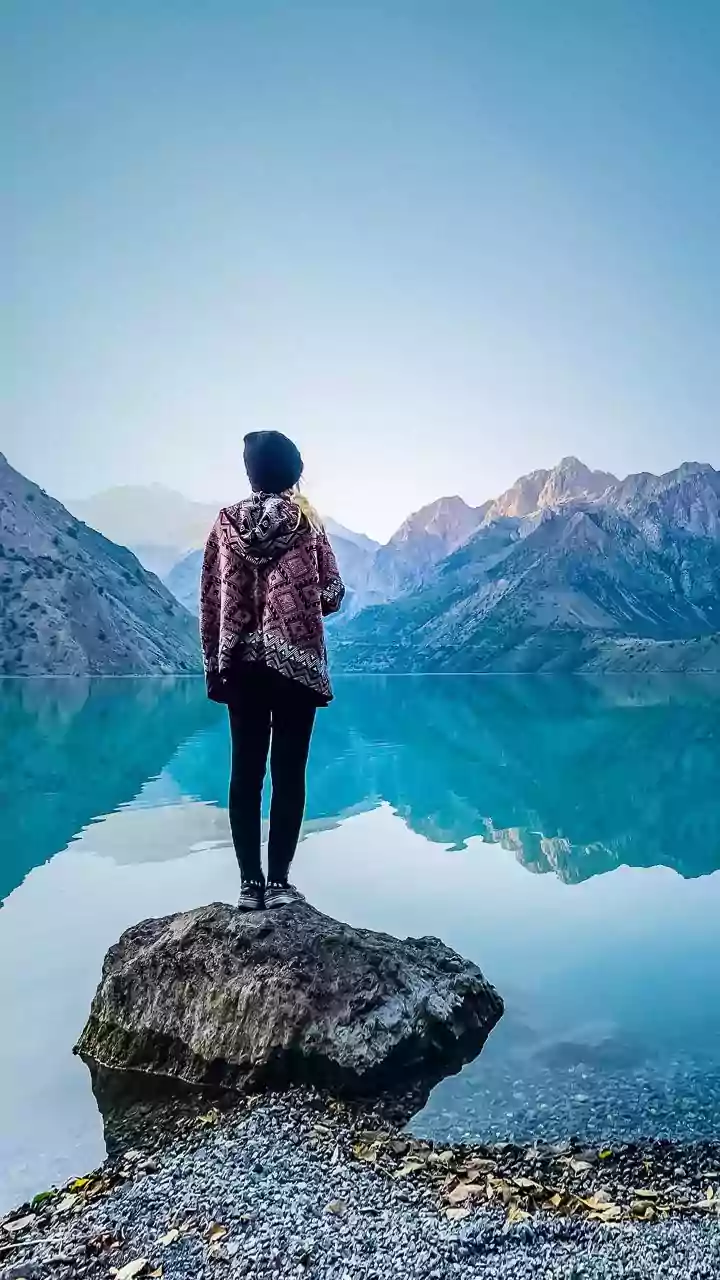
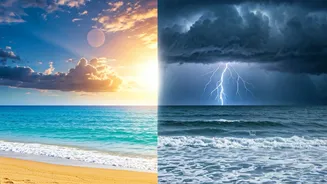
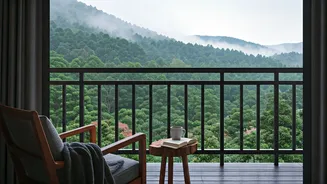
for a week. The beach has been the undisputed champion of warm-weather getaways, the default setting for our collective out-of-office message. But a quiet, steady migration is underway. In place of perfectly filtered sunset photos over the ocean, social media feeds are filling with misty mountain mornings, serene lake docks, and hikes through dappled forests. The 'beach mood board,' a curated fantasy of tropical perfection, is facing an unexpected challenger: the cooler escape. This isn't just about a few contrarian travelers; it's a measurable shift in booking patterns and travel searches, indicating that the beach's monopoly on summer is finally being broken.
Driven by Degrees
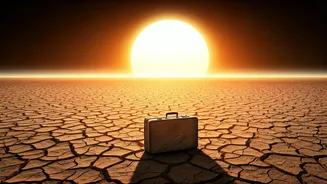
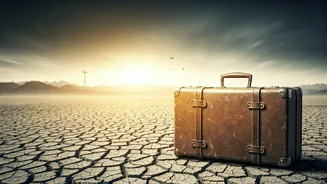
The most powerful force behind this trend is brutally simple: it’s getting too hot. As summer temperatures climb to once-unthinkable levels, the idea of baking on a scorching beach in Florida, Texas, or even the Mediterranean has lost some of its luster. Record-breaking heat waves have made many traditional sun-and-sand destinations feel less like a relaxing escape and more like an endurance test. Enter the 'coolcation.' Travelers are actively seeking relief, using their vacation days to escape oppressive heat rather than chase it. Search and booking data from travel platforms like Airbnb and Vrbo show a significant uptick in interest for destinations known for their milder summer climates. Mountain towns in the Rockies and Appalachians, lakeside communities in the Great Lakes region, and the temperate coasts of the Pacific Northwest are seeing a surge in popularity. Instead of sweating through a 100°F day, travelers are opting for cool, pine-scented evenings that might even require a light jacket—a newfound and welcome luxury.
Escaping the 'Towel-to-Towel' Zone
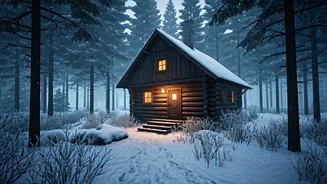
Beyond the thermometer, a cultural weariness is setting in. The very popularity that made beach towns famous has become their liability. Overtourism has turned many beloved coastal spots into a stressful scrum of packed restaurants, sold-out parking, and beaches so crowded you can barely see the sand. The cost has followed the crowds, with seaside hotel rooms and rentals commanding exorbitant prices. In response, travelers are seeking solace and space. A cabin in the woods or a cottage on a quiet lake offers an appealing alternative to the 'towel-to-towel' reality of a popular beach. This search for breathing room is also a quest for a different kind of vacation—one that’s slower, less performative, and more connected to nature. It prioritizes the restorative sound of a rushing creek over the thumping bass from a beach club, and the privacy of a secluded porch over the fight for a poolside lounge chair.
A New Vacation Aesthetic
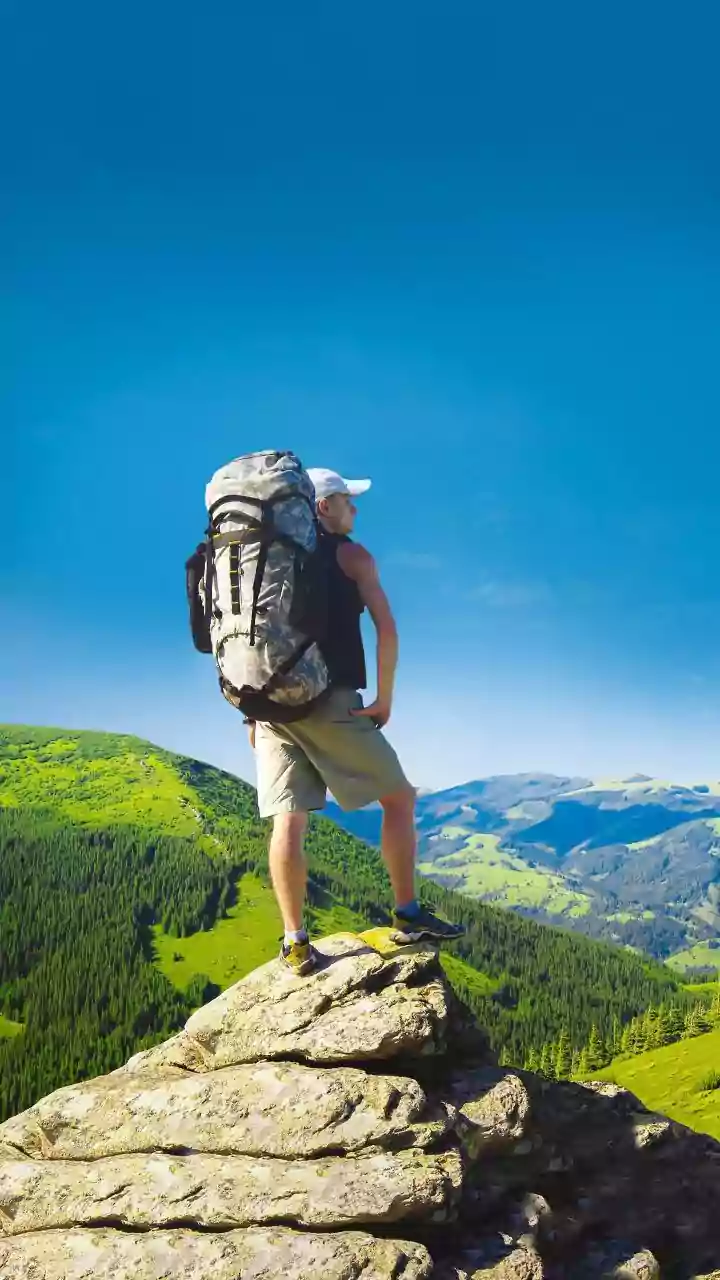
This shift is also about a change in what we consider aspirational. The glossy, high-maintenance beach aesthetic is being challenged by a more rustic, authentic vibe. The new travel dream isn't necessarily a bikini and a daiquiri; it’s hiking boots and a craft beer from a mountain-town brewery. It's less about achieving a perfect tan and more about achieving a sense of peace. This evolving aesthetic is reflected and amplified by social media, where the 'cabin core' and 'lake life' hashtags are gaining on their tropical counterparts. The visuals are different—cozy flannels, crackling campfires, and panoramic mountain views. This isn't just about rejecting the beach; it’s about embracing a different kind of freedom. It’s a move toward experiences that feel more personal and less pre-packaged, a vacation that restores the spirit as much as it tans the skin—or, in this case, doesn't.