





The Fantasy We All Buy Into
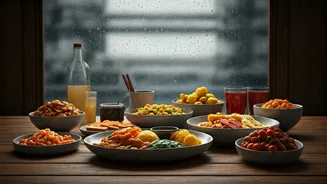
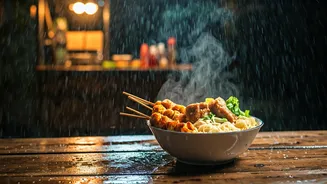
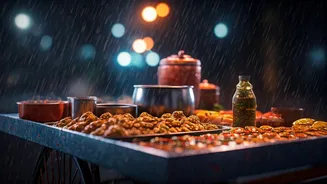
Let’s be honest, the appeal is powerful. We’ve seen it in travel shows and on Instagram feeds. The monsoon arrives in a place like Bangkok, Hanoi, or Mumbai, and suddenly the world becomes a moody, atmospheric film set. The air, thick with humidity and petrichor,
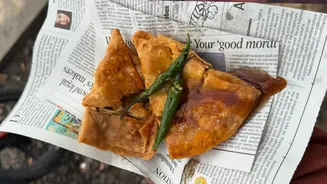
seems to amplify the aromas wafting from countless food carts. A vendor expertly flips a paratha or ladles a fragrant broth, steam billowing into the damp night. For an adventurous traveler, partaking in this ritual feels like earning a badge of authenticity. It’s a sensory experience that promises to connect you to the local pulse in a way a sterile restaurant never could. You’re not just a tourist; you’re a participant, braving the elements for a taste of the “real” culture. This romantic narrative is so compelling that we often ignore the quiet, rational voice in our heads asking if it’s truly a good idea.
The Unseen Water Hazard
Here’s the part of the movie they cut: the science of the sewer system. In many bustling cities, monsoon season means one thing—flooding. The sheer volume of water overwhelms antiquated or inadequate drainage systems. Within minutes, street gutters overflowing with refuse and wastewater mix with the “cleansing” rain. That ankle-deep water you’re splashing through on your way to the noodle stand? It’s a cocktail of everything you don’t want to think about. Street food vendors, often operating at ground level, are in the thick of it. The water they use to wash vegetables, clean utensils (if they do), or mix into drinks may come from dubious sources. Cross-contamination is not a possibility; it’s a near certainty. The puddle splashing onto the cart’s prep surface isn’t just rain. When the entire environment is compromised, even the most conscientious vendor is fighting a losing battle against bacteria like E. coli, salmonella, and cholera.
When ‘Fresh’ Isn’t Fresh
Monsoon humidity is relentless. It seeps into everything, creating a perfect breeding ground for mold and bacteria. The fresh herbs that looked vibrant in the morning are wilted and suspect by evening. Unrefrigerated meats and seafood, already a gamble in tropical heat, become a ticking time bomb. The high heat of a wok or grill can kill a lot of germs, but it can’t reverse spoilage or eliminate the toxins some bacteria produce as they multiply. Think about the ice chilling the drinks, often made from unfiltered tap water. Consider the pre-cut fruit, sitting exposed to the humid air and airborne contaminants for hours. The very elements that create the romantic atmosphere are also systematically degrading the quality and safety of the ingredients. The vendor isn’t necessarily trying to pull a fast one; they are simply operating within a system where maintaining Western standards of food hygiene is practically impossible during a downpour.
The True Cost of a Bad Bite
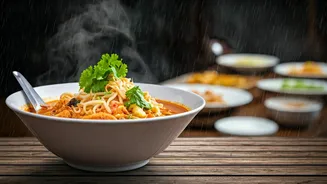
The “trouble” in the headline isn’t just a day or two of an upset stomach. It’s the opportunity cost of losing precious, hard-earned vacation days to a hotel bathroom. It’s the feverish, dehydrated misery of traveler’s diarrhea in a country where you don’t speak the language. At its worst, it’s a severe foodborne illness that requires a visit to an unfamiliar clinic or hospital, turning a dream trip into a logistical and medical nightmare. The reward for this gamble is, what, a $2 bowl of noodles? You can get an equally authentic and delicious meal in a clean, well-run shophouse restaurant or an indoor food court, where the risks are exponentially lower. The risk-reward calculation for monsoon street food is, frankly, terrible. Your health and your vacation are worth more than the bragging rights that come with playing street-food roulette.