





Not One Rainy Season, but Two
When Americans think of a “rainy season,” we often imagine a few months of daily downpours. In the Andaman and Nicobar Islands, a remote Indian archipelago in the Bay of Bengal, the situation is more complex. The islands experience two distinct monsoons.
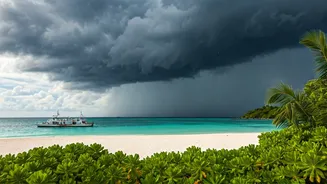
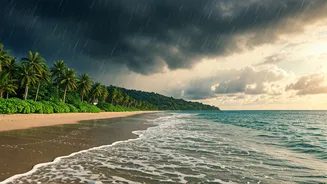
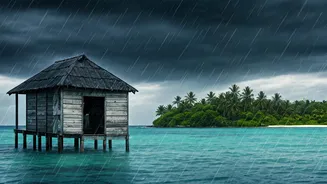
The primary and more intense one is the southwest monsoon, which typically runs from May to September. This period brings heavy rainfall, strong winds, and rough seas, making it the least advisable time to visit for most tourists. Following a brief calm, the northeast monsoon arrives, usually from November to January. While generally milder than its predecessor, it can still bring unpredictable rain and choppy waters, sometimes disrupting ferry schedules and water activities just as the peak tourist season gets underway.
What a Monsoon Trip Really Looks Like
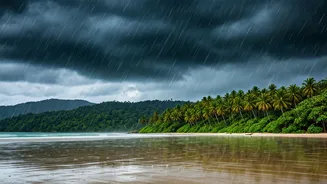
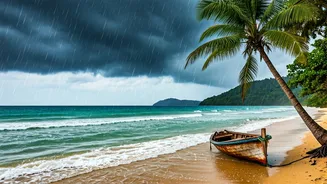
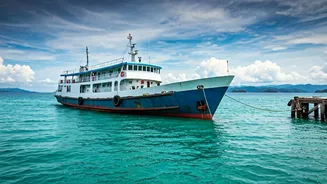
Visiting during the main monsoon season is not for the faint of heart or the schedule-dependent. The idyllic image of island hopping is the first casualty. Ferry services between Port Blair (the main entry point) and popular islands like Havelock (Swaraj Dweep) and Neil (Shaheed Dweep) are frequently canceled or severely delayed due to rough seas. This can leave travelers stranded. Water sports, the main draw for many, are largely off the table. Diving and snorkeling operations shut down because of poor visibility and dangerous conditions. Even the beaches lose their postcard-perfect allure, with gray skies and churning waves. While the islands become incredibly lush and green, the practical realities of closed attractions, potential power outages, and the constant dampness can quickly overwhelm the unprepared traveler.
The Prime Time to Go (and Why)
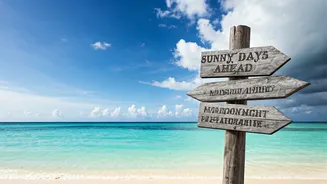
For the classic Andaman experience, the window between February and April is your best bet. This is the dry season, nestled between the two monsoons. During these months, the weather is at its most stable and pleasant. You can expect sunny skies, calm, crystal-clear seas perfect for diving and snorkeling, and reliable ferry services. All beaches, resorts, and attractions are fully operational. This is, unsurprisingly, also the peak tourist season. Prices for flights and accommodations will be at their highest, and the most popular spots will be more crowded. However, for a first-time visitor from the U.S. investing significant time and money into the long journey, planning your trip for this prime window is the surest way to get the paradise you’ve been dreaming of.
Traveling Off-Season: A Calculated Risk
So, is a monsoon-season trip a complete write-off? Not necessarily, but it requires a major shift in expectations and planning. If you're a budget-conscious traveler who doesn't mind the rain and is content with a more limited itinerary, the off-season can offer deep discounts and a quieter experience. The key is to be flexible. Plan to stay primarily on the main island around Port Blair, where you can still visit historical sites like the Cellular Jail and explore local markets. Don’t build your trip around a multi-island itinerary. Book refundable or flexible accommodations, and purchase comprehensive travel insurance that covers weather-related disruptions. Think of it less as a beach vacation and more as a cultural and nature-focused retreat, embracing the dramatic, rain-swept landscapes.
Your Monsoon-Aware Planning Guide
If your travel dates fall near the monsoon shoulder seasons (like May or October), or if you’re considering a budget trip, a little preparation goes a long way. First, monitor the India Meteorological Department (IMD) for long-range forecasts and cyclone warnings. Second, pack accordingly: bring a high-quality rain jacket, quick-drying clothes, waterproof bags for electronics, and insect repellent, as mosquitoes are more prevalent in the wet season. Finally, communicate with your tour operators and hotels before you book. Ask them directly about their operational status during your planned travel dates and their policies on weather-related cancellations. An honest conversation upfront can save a world of disappointment later.