



The City That Glows
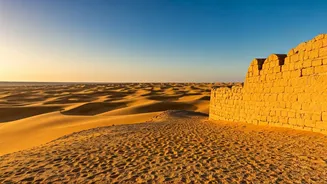
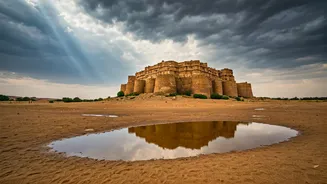
Jaisalmer isn’t just nicknamed the “Golden City” for poetic effect; it’s a literal description. The entire old city, including its magnificent living fort, is carved from a local yellow sandstone. When the sun hits it—which is most of the time—the architecture
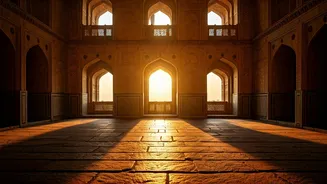
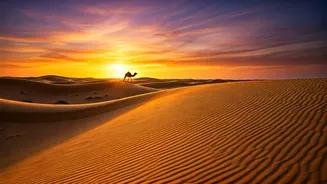
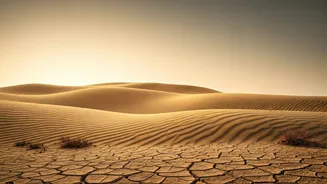
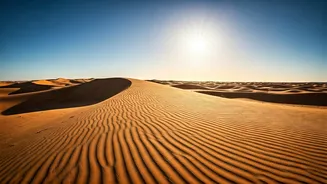
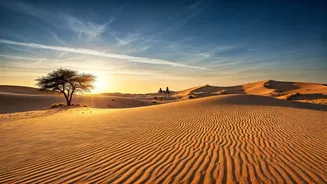
glows with a warm, honey-gold hue. Unlike cities built of marble or brick, Jaisalmer seems to have been spun from the very desert it commands. At sunrise and sunset, this effect is mesmerizing, transforming the labyrinthine alleys and ornate balconies into a scene from a storybook. This unique geology and architecture create an atmosphere found nowhere else, a city that feels both ancient and alive, shimmering under the vast desert sky.
The Smart Monsoon Alternative
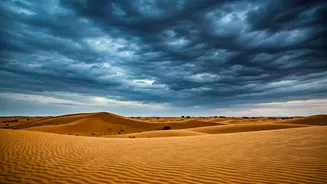
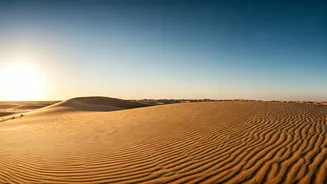
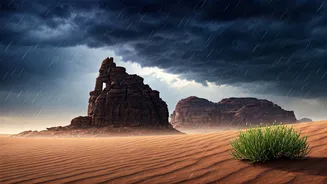
While much of India embraces the romantic, rain-soaked vistas of the monsoon season (roughly July to September), it also comes with logistical challenges: canceled transport, flooded roads, and a pervasive dampness. Jaisalmer, situated deep in the Thar Desert, offers the perfect antidote. The region receives minimal rainfall even during the peak monsoon months. While other destinations are navigating downpours, Jaisalmer remains arid and accessible. This makes it a brilliant, counter-intuitive choice for summer travel in India. You get all the vibrancy and culture without the weather-related headaches, trading lush greens for golden sands and clear, expansive skies. It’s a strategic travel move for those looking to experience India without being at the mercy of the rain.
Explore a Living Fortress
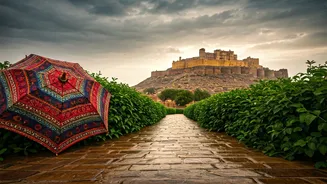
The heart of Jaisalmer is its fort, a UNESCO World Heritage site and one of the few “living forts” left in the world. Unlike museums or sterile ruins, Jaisalmer Fort is a bustling neighborhood, home to thousands of people, shops, guesthouses, and temples all contained within its ancient ramparts. You can wander its narrow, winding lanes for hours, discovering hidden courtyards, stunning Jain temples with impossibly intricate carvings, and cannonball-scarred walls that offer panoramic views of the city and desert beyond. Staying within the fort itself is a unique experience, allowing you to feel the pulse of centuries of history from the moment you wake up.
Beyond the Fort Walls
The magic of Jaisalmer extends well beyond its primary fortress. The city is famous for its *havelis*—elaborate private mansions built by wealthy merchants in the 19th century. The most famous, Patwon Ki Haveli, is actually a cluster of five separate mansions, each with incredibly detailed facades of latticed stone screens, ornate balconies, and detailed carvings. Another must-see is the Gadisar Lake, a man-made reservoir originally built in the 14th century that once served as the city’s sole water source. Surrounded by temples and shrines, it’s a serene oasis, especially in the early morning or late afternoon.
A Note on Heat and Crowds
Choosing Jaisalmer during the monsoon season does come with one major trade-off: heat. Temperatures can be intense during the day. However, this is easily managed by adopting a local rhythm. Do your exploring in the cooler hours of the early morning and late afternoon, and reserve the sweltering midday for a long lunch, a nap, or relaxing in the shade of a rooftop café. The immense upside to this timing is the lack of crowds. You’ll be visiting during the shoulder season, meaning fewer tourists at major sites, more personal interactions, and often better prices on accommodation and tours. It’s a small price to pay for having this golden world feel like it’s all yours.