




The Magic of a Himalayan June
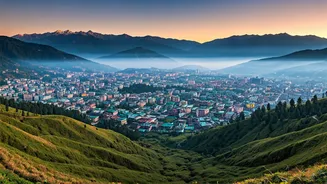
When you think of summer travel, India’s monsoon season might give you pause. But in the high-altitude realm of Gangtok, the capital of Sikkim, June is a period of dramatic transformation. This isn't the oppressive heat and torrential downpour you might find
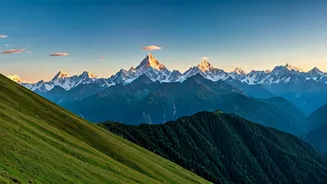
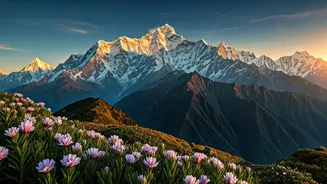
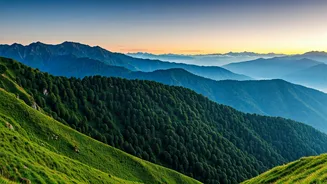
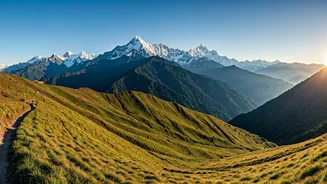
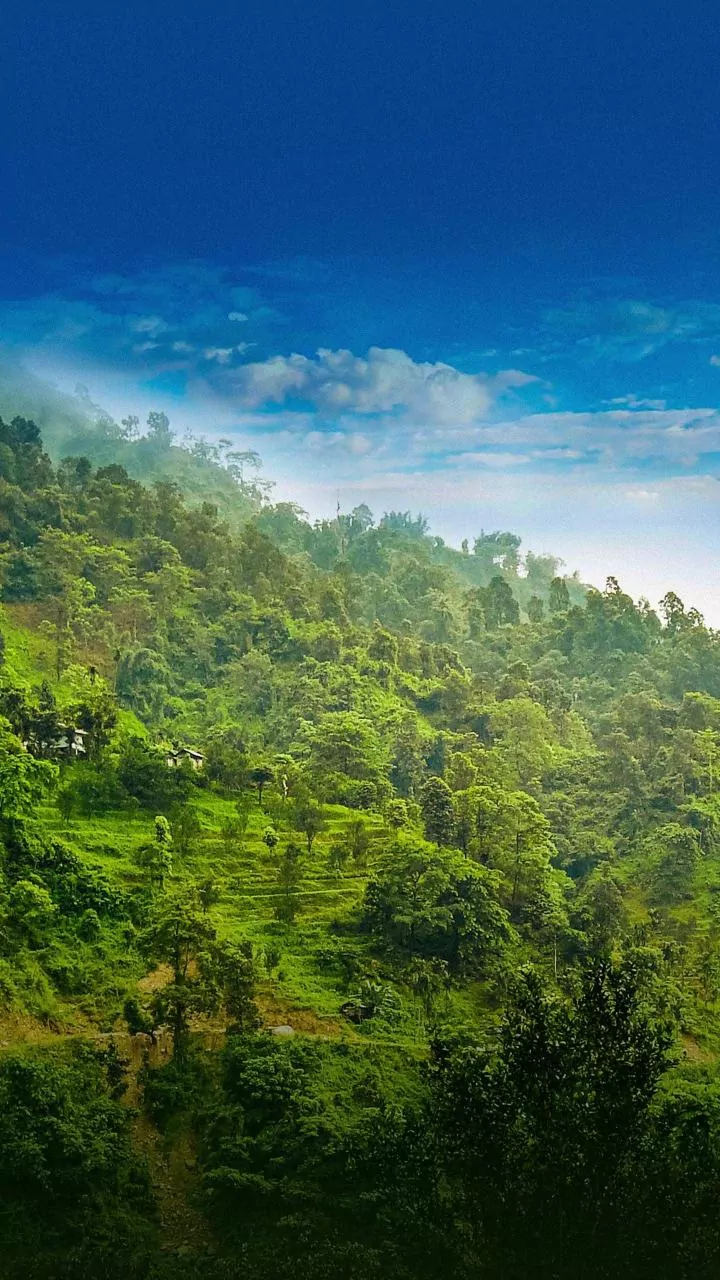
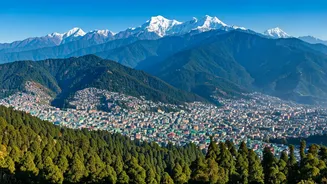
elsewhere. Instead, early June often occupies a sweet spot where the winter snow has melted and the heaviest rains have yet to arrive. The landscape, revitalized by spring showers, erupts in a riot of green. Valleys are carpeted with wildflowers, including the last of the region’s famed rhododendrons. The air is crisp and clean, and swirling mists add a layer of mystique to the mountain views. You’ll experience fewer crowds than in the peak spring season, giving your adventure a more intimate, personal feel. It’s a time when nature is at its most alive and atmospheric, making it a spectacular setting for exploration.
The Star Attraction: Tsomgo Lake
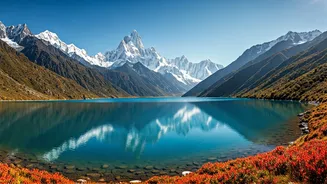
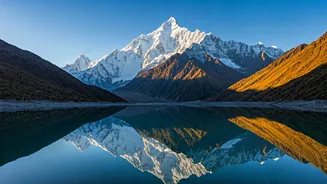
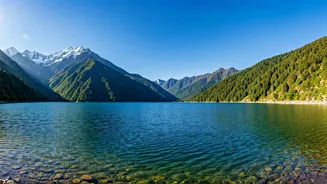
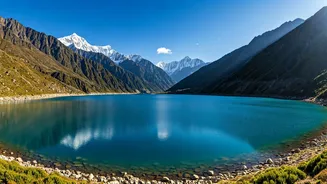
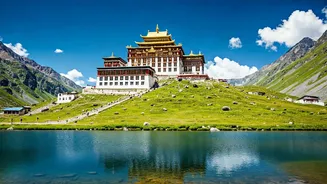
The main event, and the reason Gangtok shines so brightly in June, is Tsomgo Lake. Known locally as Changu Lake, this glacial marvel sits at a dizzying altitude of over 12,300 feet. The journey from Gangtok, a winding 25-mile drive, is an adventure in itself, with every hairpin turn revealing more stunning Himalayan vistas. In winter, the lake is a frozen sheet of white. But by June, it has thawed completely, revealing waters that shift from deep emerald to brilliant turquoise depending on the sky. The lake is considered sacred by the Sikkimese people, and the serene atmosphere is enhanced by the colorful prayer flags fluttering in the breeze and a small temple dedicated to Lord Shiva on its shore. You can walk the perimeter, taking in the alpine scenery, or even ride a colorfully decorated yak—a quintessential Tsomgo experience. The combination of sacred tranquility and raw natural beauty is simply profound.
Getting There and Getting In
For American travelers, a trip to Sikkim requires a bit of planning, but it's more straightforward than you might think. Tsomgo Lake is located in a protected area near the Indo-Chinese border, so all foreign nationals need a Protected Area Permit (PAP) in addition to their Indian visa. Don’t let that deter you; the process is a well-oiled machine. Local tour operators in Gangtok can arrange your permit and transportation as a package, typically requiring just your passport, visa, and a couple of passport-sized photos. They handle the bureaucracy, so you can focus on the scenery. Given the high altitude, it’s also wise to spend a day or two acclimatizing in Gangtok (which sits at a more manageable 5,410 feet) before heading up to the lake. Drink plenty of water and take it slow—the mountain air is thin, but the views are worth the patience.
More Than Just a Lake
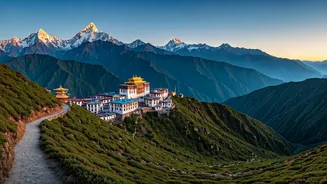
While Tsomgo is the highlight, Gangtok serves as an excellent base for wider exploration. The city itself is famously clean and orderly, with a charming pedestrian-only promenade, MG Marg, lined with shops, cafes, and restaurants. It’s the perfect place for an evening stroll. For a dose of culture, visit the Rumtek Monastery, a magnificent center of Tibetan Buddhism with intricate murals and a palpable sense of peace. If weather and permits allow, you can also press on from Tsomgo Lake towards the Nathu La Pass, a historic border crossing into Tibet. Even if you don't go all the way to the border, the journey offers even more spectacular views. From local cuisine like momos (dumplings) and thukpa (noodle soup) to serene monasteries and bustling markets, Gangtok provides a rich cultural tapestry to complement its natural wonders.