




What Exactly Is Clay Paint?
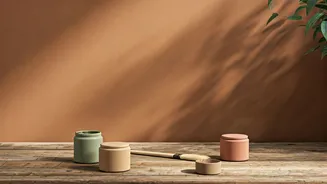
At its core, clay paint is exactly what it sounds like: a wall covering made primarily from clay, mixed with water and natural mineral pigments for color. Unlike conventional latex or acrylic paints, which are essentially liquid plastics derived from petrochemicals,
clay paint relies on simple, earth-based ingredients. This back-to-basics approach eliminates the complex chemical cocktails found in many standard paints. The formulation is straightforward, containing no vinyl, acrylic binders, or synthetic preservatives. The result is a paint that works with nature, not against it. Its history stretches back centuries, used in various forms across cultures for its durability and beauty. Today's refined versions offer a sophisticated finish while retaining their elemental purity, making them a direct counterpoint to the synthetic materials that dominate modern construction.
The 'Safe' Factor: Breathing Easy at Home
The single greatest health benefit of clay paint is its impact on indoor air quality. Conventional paints release Volatile Organic Compounds (VOCs) as they dry—and sometimes for years afterward. These chemicals, including formaldehyde and benzene, can cause everything from headaches and dizziness to respiratory issues and are linked to long-term health risks. High-quality clay paints are naturally zero-VOC, meaning they release no harmful fumes into your home.
Furthermore, clay is inherently breathable, or 'vapor permeable.' This means it allows moisture to pass through it, rather than trapping it in the walls. In a modern, often tightly sealed home, this is a crucial feature. It helps regulate humidity, reducing the risk of mold and mildew growth, which are major triggers for allergies and asthma. Because it doesn't create a plastic-like film on the wall, it also resists static charge, meaning it doesn't attract dust and dirt the way synthetic paints do, contributing to a cleaner, less allergenic environment.
Beyond Your Walls: The Eco-Friendly Edge
The environmental argument for clay paint is just as strong as the health one. The manufacturing process for petrochemical-based paints is energy-intensive and creates significant industrial waste. Clay, on the other hand, is an abundant natural resource that requires minimal processing. It's quarried from the earth, mixed with other natural materials, and packaged, often with a much smaller carbon footprint.
This sustainability extends through the product's entire lifecycle. Since it contains no plastics or toxic chemicals, any leftover paint is non-hazardous and biodegradable. It can be safely composted or disposed of without leaching pollutants into the soil or groundwater. By choosing a paint made from renewable, earth-friendly materials, you're making a choice that reduces chemical dependency and supports a more circular, less wasteful economy.
A 'Modern' Finish: Aesthetics and Feel
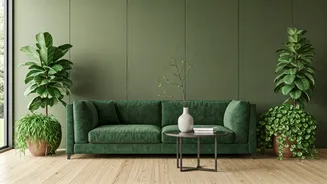
Concerns that 'eco-friendly' means compromising on style are outdated. Clay paint offers a unique aesthetic that is perfectly aligned with contemporary design trends. It dries to a deep, ultra-matte finish that absorbs light, creating a soft, velvety texture that can't be replicated by synthetic paints. This lack of sheen gives colors a remarkable depth and complexity, enhancing a room's sense of calm and sophistication.
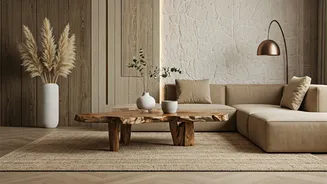
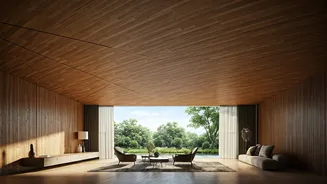
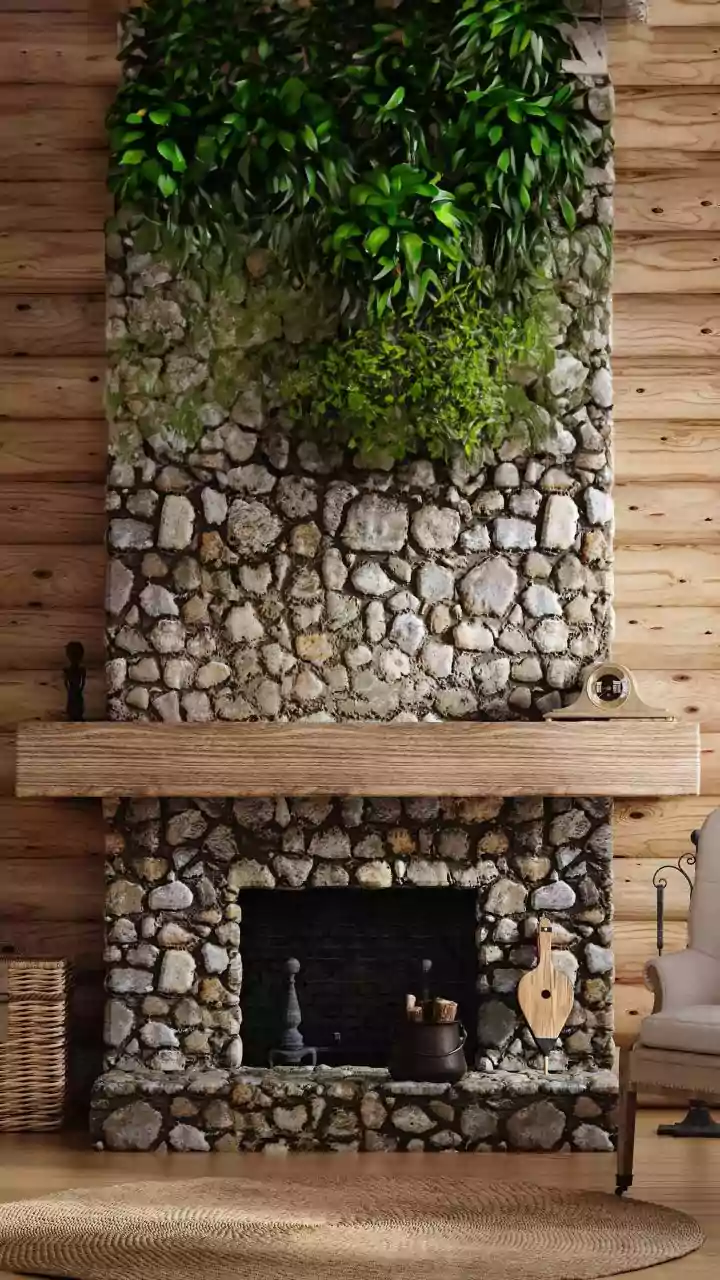
This finish is a natural fit for modern minimalist, Scandinavian, and biophilic designs that emphasize natural materials, texture, and tranquility. It provides a rich, earthy backdrop that complements wood, stone, and linen textiles. While application can require a bit more care than a standard roller-and-go job—priming is key and some formulas work best when brushed—the stunning, light-diffusing result is a core part of its appeal for designers and homeowners seeking a refined, high-end look.