


Understanding the Monsoon's Power
First, let's be clear: the monsoon in western India isn’t just a few rainy days. It’s a powerful, months-long weather phenomenon, typically running from June to September, that reshapes daily life. For locals, it's a celebrated, life-giving season that ends
the scorching summer heat and replenishes water supplies. But for an unprepared traveler, it can be a formidable obstacle. We're not talking about Seattle drizzle; we're talking about torrential downpours that can last for days, intense winds, and a level of humidity that can feel overwhelming. The entire rhythm of the region, from business to transportation, shifts to accommodate the deluge.
The Risks: Why You Might Reconsider
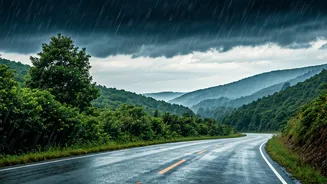
The phrase "rain-check" in the headline isn't just a clever pun; it's a serious suggestion. The primary risk during a Maharashtra monsoon is widespread disruption. In a city like Mumbai, the financial capital of India, heavy rains regularly lead to severe waterlogging, shutting down streets and bringing the city's notoriously complex local train system to a grinding halt. This can leave you stranded. In the beautiful hilly regions of the Western Ghats (home to popular getaways like Lonavala and Mahabaleshwar), the risk of landslides is very real, often closing roads for days and posing a direct safety threat. Flights are frequently delayed or canceled, and road travel becomes hazardous. Furthermore, the standing water creates breeding grounds for mosquitoes, increasing the risk of diseases like dengue and malaria, while water contamination can lead to stomach ailments.
The Silver Lining: Monsoon Magic
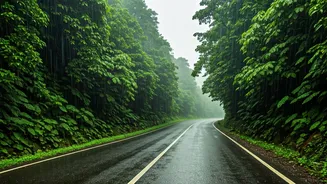
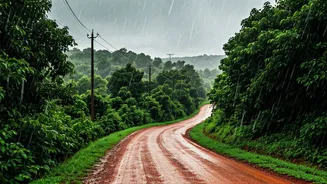
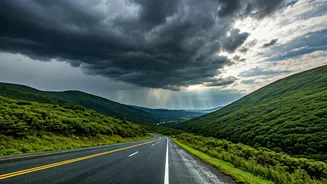
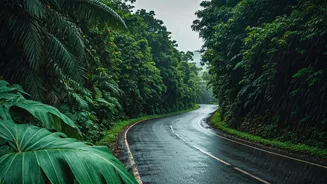
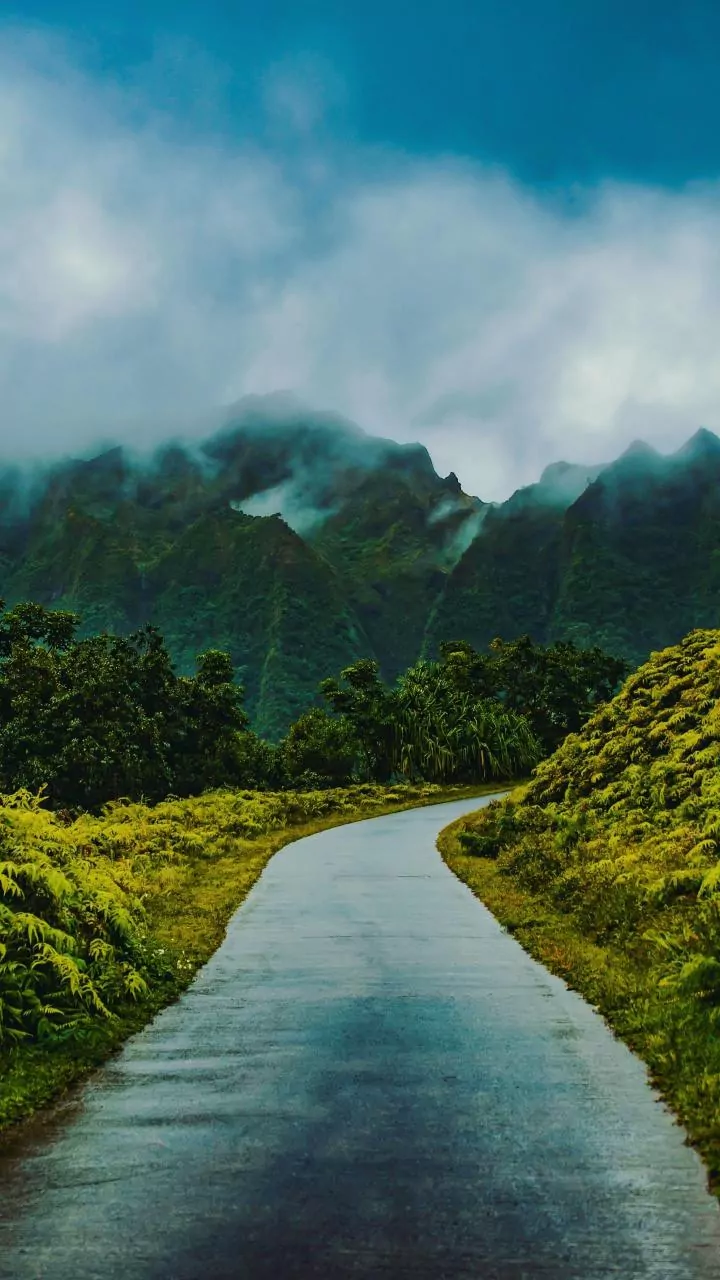
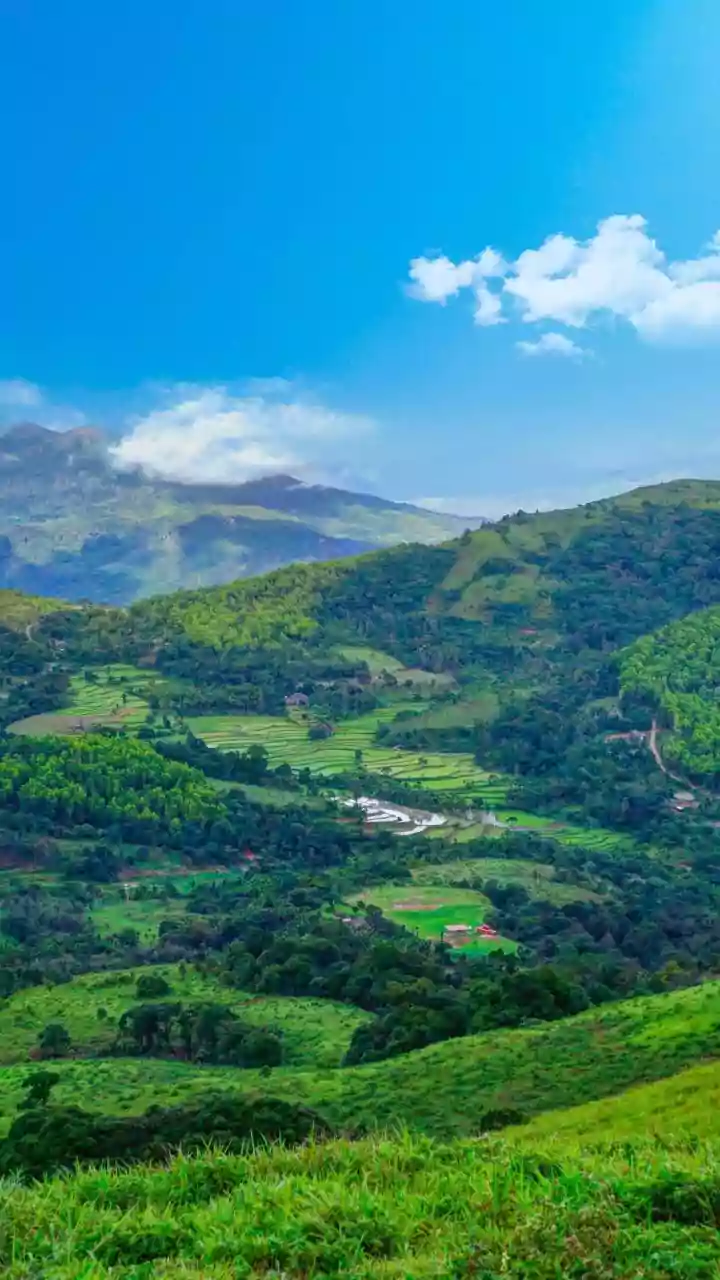
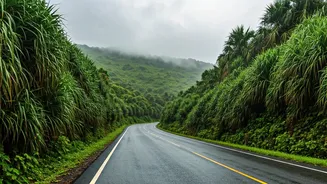
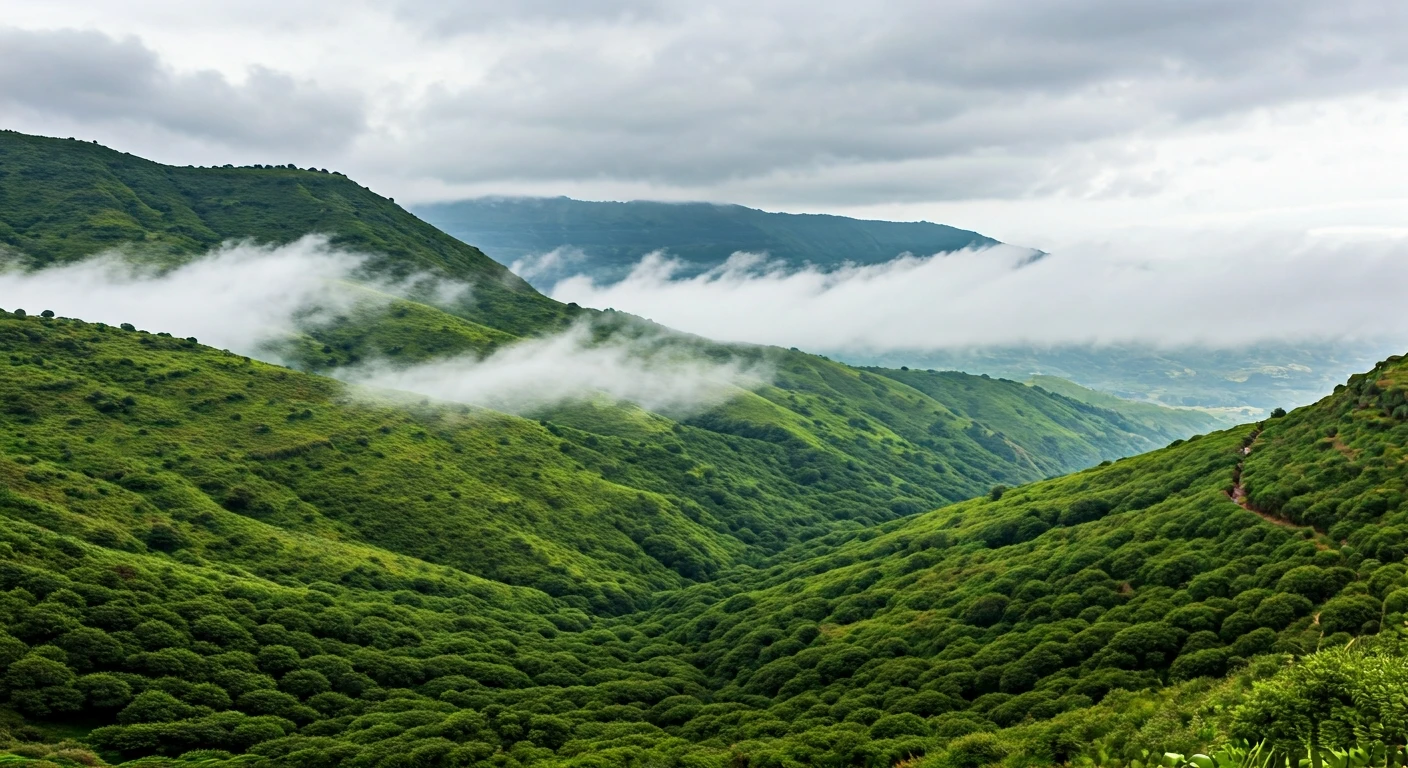
So, should you scrap your plans entirely? Not necessarily. For the well-prepared and adventurous traveler, the monsoon offers a unique and breathtaking experience. This is when Maharashtra is at its most beautiful. The parched brown landscapes of summer explode into a million shades of vibrant green. Waterfalls that are dry for most of the year thunder back to life, creating spectacular photo opportunities. The air is clean, the dust has settled, and the temperatures are cooler and more pleasant than the oppressive heat of May. Tourist crowds are often thinner, and you may find better deals on flights and accommodations. Witnessing the dramatic, cloud-filled skies over the Arabian Sea or the misty hills of the Ghats is an unforgettable sight that few tourists get to see.
If You Go: A Smart Traveler's Checklist
Flexibility is your most important asset. Do not book a tightly packed itinerary. Beyond that, pack smart. A high-quality waterproof jacket is non-negotiable. Forget the flimsy poncho. Bring quick-drying clothes, as humidity prevents anything from air-drying easily. Footwear is critical: you need sturdy, waterproof sandals or shoes with excellent grip for slippery surfaces. Leave the canvas sneakers at home. Pack a waterproof cover for your backpack and a dry bag for electronics. A basic medical kit should include insect repellent with DEET, water purification tablets or a life-straw, and medication for stomach issues. Finally, purchase comprehensive travel insurance that explicitly covers trip cancellations and delays due to weather.
Navigating Key Destinations
Your experience will vary greatly by location. In Mumbai, embrace the downtime. When the rain hits, find a cozy cafe, visit a museum, or explore indoor markets. Be prepared for your travel plans to be completely upended. For hill stations in the Western Ghats, check weather reports and local news obsessively before heading out, as road closures are common. If you’re a nature lover, this is your chance to see the region at its most dramatic, but safety must be your priority. Cities like Pune and Nashik, which are further inland, are generally less prone to the extreme flooding of the coast but still receive significant rainfall. They can serve as a more manageable base for exploring the region during this time.