


The Enduring Reign of Mughlai Cuisine
To understand where Delhi’s food scene is going, you first have to understand where it’s been. For the average American traveler, and indeed for many locals, restaurant dining in India’s capital has long been synonymous with Punjabi-Mughlai cuisine. Think
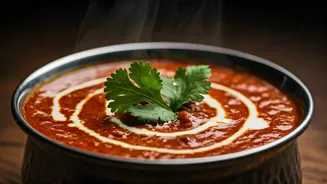
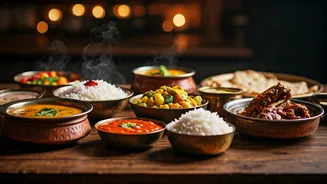
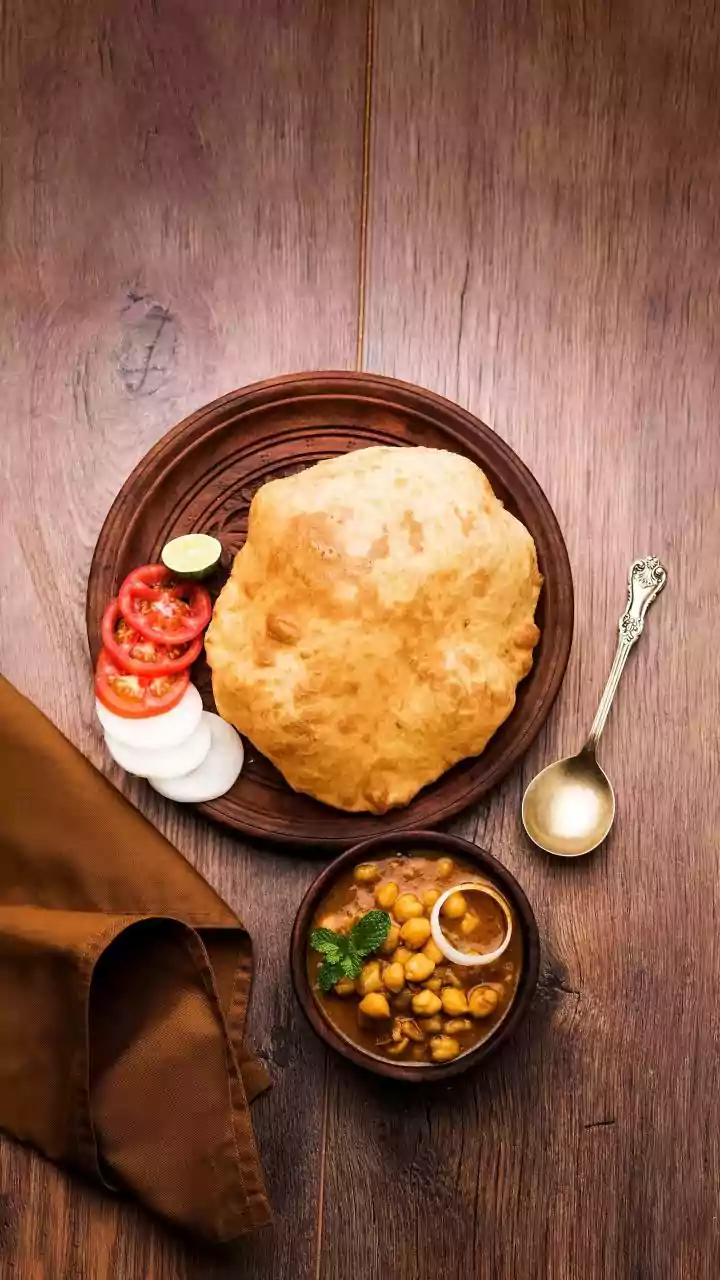
of the classics that populate Indian restaurant menus across the U.S.: butter chicken, creamy dal makhani, paneer tikka, and a basket of assorted breads from a tandoor oven. This is the food of post-Partition Delhi, a comforting, heavy, and undeniably delicious tradition born from the city’s history. It’s the celebratory meal, the family dinner out, the reliable choice that promises satisfaction. This culinary universe, centered around restaurants in places like Pandara Road, became the city’s default gastronomic identity—a rich, buttery comfort zone that has defined North Indian food for the world.
Discovering a Nation on a Plate
The most significant shift in Delhi's dining is the enthusiastic embrace of India’s own vast, diverse culinary map. For years, the subtle, complex flavors from states like Kerala, Bengal, or the northeastern hills were largely confined to home kitchens. Today, a wave of new restaurants is putting them center stage. Diners are now seeking out Bengali mustard-infused fish curries (macher jhol), spicy Goan sausage (chorizo pao), and the unique pork and bamboo shoot preparations of Nagaland. Restaurants like The Potbelly Rooftop Café (specializing in Bihari food) or Sana-di-ge (focusing on coastal cuisine from Karnataka) are no longer niche curiosities; they are bustling hotspots. This isn't about fusion; it's about authentication. Delhiites are exploring the flavors of their own country, moving beyond the familiar tandoori template to appreciate the light, coconut-based stews of the south or the fermented delicacies of the east. It's a celebration of regional pride and a delicious education for anyone who thought Indian food was a monolith.
The Modern Indian Makeover
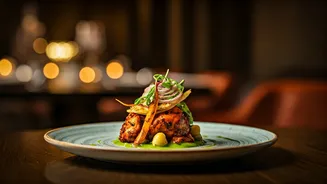
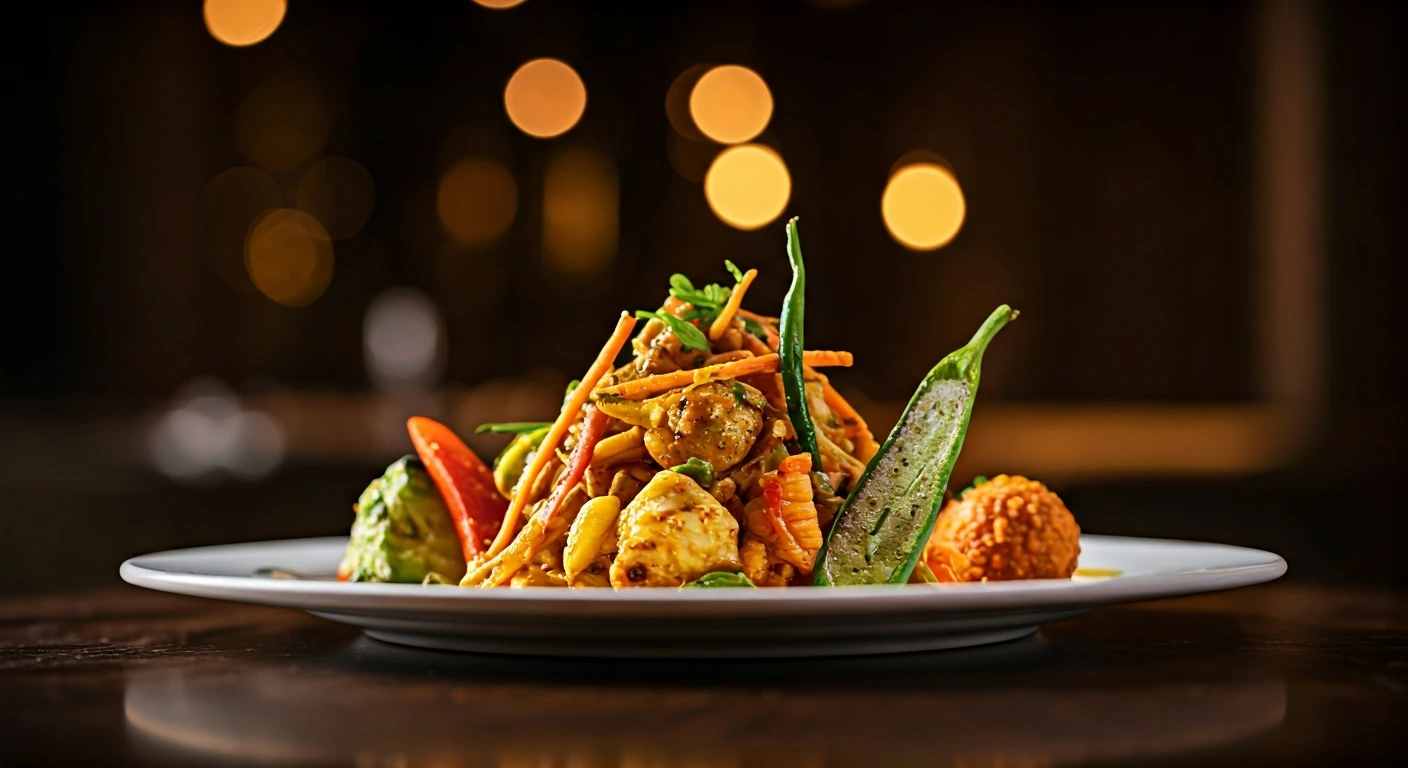
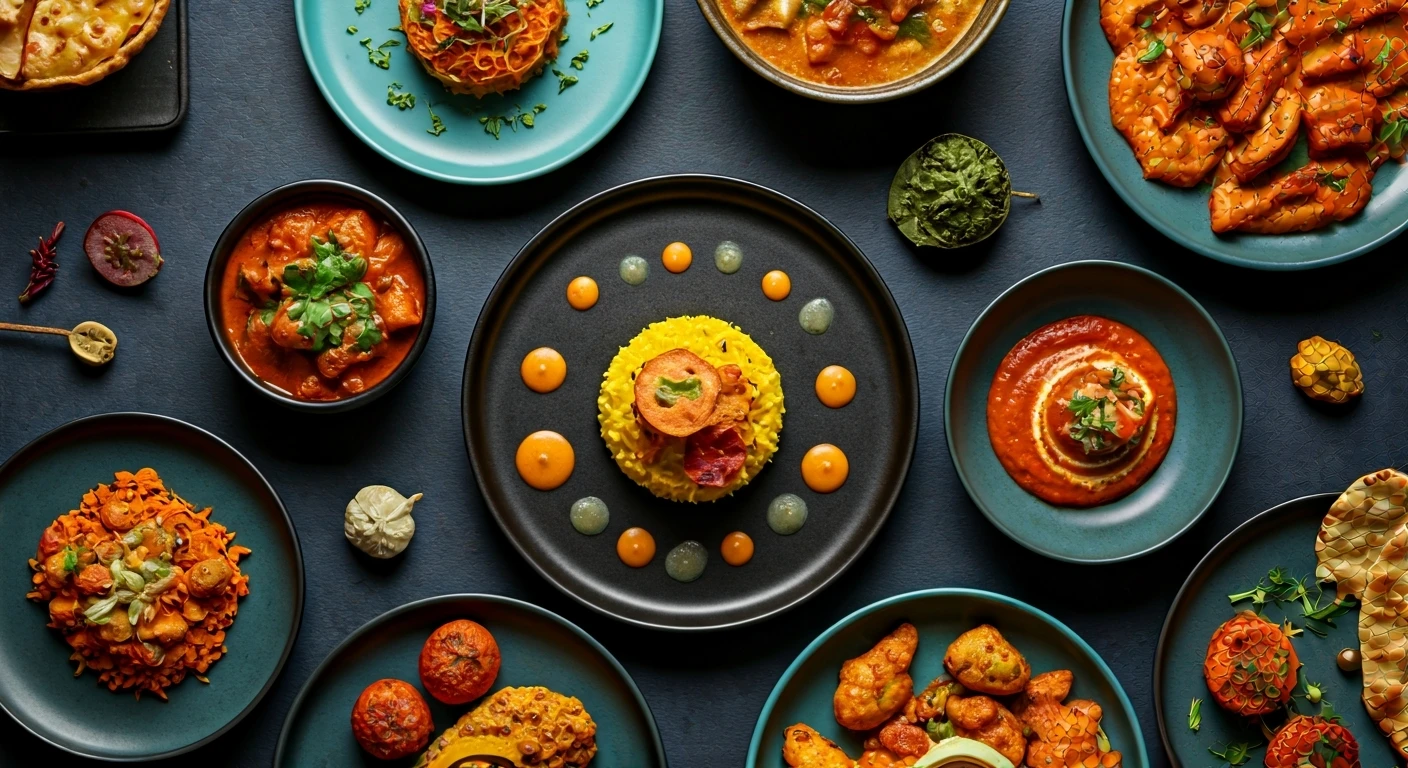
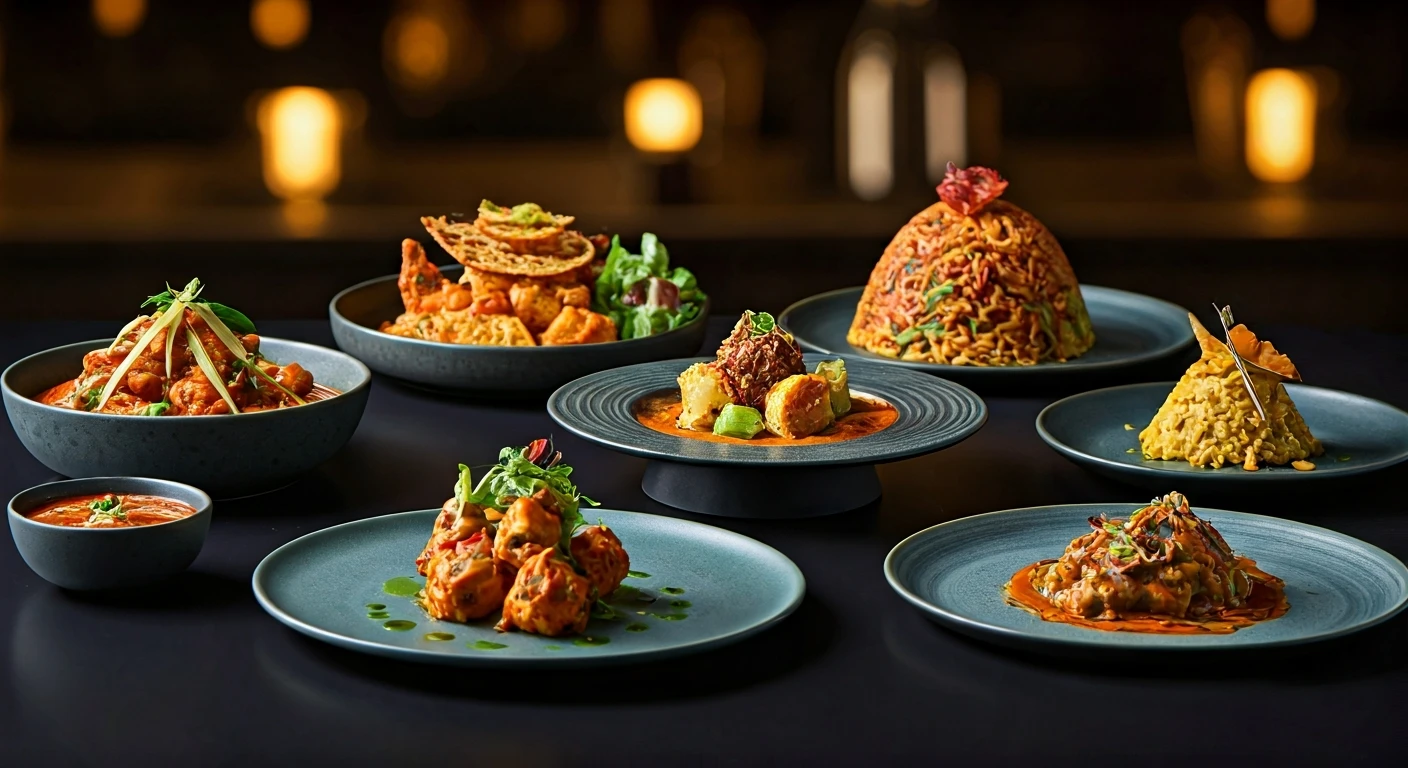
Parallel to the regional renaissance is the rise of “modern Indian” cuisine. Led by internationally trained chefs, this movement deconstructs and reimagines traditional dishes with global techniques and playful presentation. The undisputed pioneer here is Manish Mehrotra of Indian Accent (which also has a New York outpost), a restaurant that transformed the perception of Indian fine dining. Here, you might find blue cheese naan, dal Moradabadi served with a churro, or a deconstructed samosa. These chefs aren't abandoning tradition but interrogating it. They ask: What happens if you sous-vide a lamb shank for a rogan josh? Can a street food snack be turned into an elegant amuse-bouche? This approach has trickled down from exclusive tasting menus to more accessible eateries, injecting a sense of wit and surprise into the dining experience. It’s Indian food that respects its roots but isn't afraid to have a little fun.
Why the Change? A New Appetite for Adventure
This culinary revolution isn't happening in a vacuum. It’s fueled by profound social and economic change. A growing, upwardly mobile middle class, exposed to global trends through travel and the internet, has developed a more adventurous palate. They have more disposable income and are eager for new experiences, not just the same-old celebratory meal. They’re as likely to crave a well-made bowl of ramen or a perfect pizza as they are a kebab platter. This discerning new diner has created a market for chefs to take risks. Simultaneously, a generation of Indian chefs who have worked in top kitchens in London, New York, and Copenhagen are returning home, bringing their skills and a fresh perspective. They are sourcing local ingredients with a farm-to-table ethos and applying their world-class training to the Indian pantry, creating a food scene that is more dynamic, diverse, and exciting than ever before.