



The Goal of the Mirror Muscle
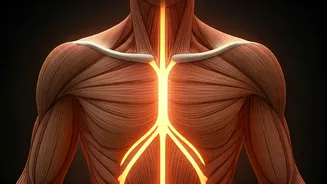
Let’s be clear: bodybuilding is incredibly effective at its primary goal, which is aesthetics. It’s a discipline of sculpting the human body for size, symmetry, and definition. Think of a bodybuilder’s routine, and you probably picture someone sitting
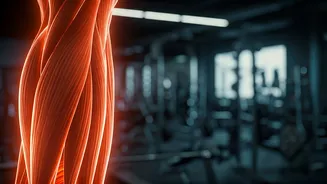
on a machine doing bicep curls or leg extensions. These are isolation exercises, designed to target and exhaust a single muscle or muscle group to stimulate growth (hypertrophy). The objective is to make a specific muscle, like the bicep or the quadricep, bigger and more defined. While this creates a visually impressive physique and builds significant strength in that isolated muscle, it doesn't always translate to the complex, coordinated movements we perform in our daily lives. Bodybuilding treats the body as a collection of parts to be individually perfected, much like a sculptor working on a statue.
Training for Life, Not Just the Gym
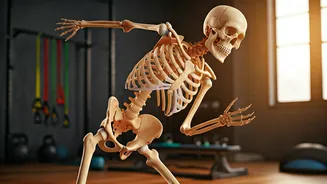
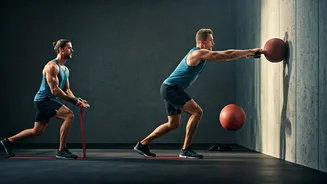
Functional fitness flips that philosophy on its head. Instead of asking, “How can I make my shoulders look wider?” it asks, “How can I make it easier to lift my suitcase into the overhead bin?” The focus isn't on muscles, but on movement patterns. Functional training utilizes compound exercises that recruit multiple muscle groups to work together, just as they do in the real world. These movements—pushing, pulling, squatting, hinging, carrying, and rotating—form the foundation of everything we do, from getting out of a chair to carrying a week’s worth of groceries in one trip. The goal is to improve coordination, stability, balance, and core strength, making your body a more efficient and resilient machine for everyday tasks. It’s less about how your body looks and more about what it can do.
Where Strength Truly Matters
This is where the “real life strength” argument comes into play. A perfectly sculpted bicep from countless curls might look powerful, but it's your back, core, and legs working in unison that allow you to safely hoist a heavy bag of dog food out of your car. A bodybuilder might have massive quads from the leg extension machine, but that strength may not translate to the stability and mobility needed to squat down and play with a toddler on the floor. Functional fitness directly trains these integrated movements. A kettlebell swing, for instance, trains the explosive hip hinge you use to jump or lift something heavy from the ground. A farmer’s walk—simply carrying heavy weights in each hand and walking—builds the grip strength, core stability, and posture needed to carry heavy shopping bags or a wriggling child without straining your back. This approach doesn't just build strength; it builds competence and reduces the risk of injury during mundane activities.
Building Your Functional Toolkit
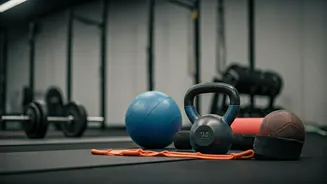
So, what does a functional workout actually look like? It’s simpler than you might think and often requires less specialized equipment. It’s built around foundational human movements. Think squats, which mimic sitting and standing. Deadlifts teach you how to safely lift a heavy object off the floor using your legs and back together. Push-ups and overhead presses build the strength for pushing a stalled car or placing items on a high shelf. Rows build the pulling strength needed for starting a lawnmower or dragging a heavy trash can to the curb. These exercises force your core to engage, your stabilizer muscles to fire, and your body to work as a single, coordinated unit. The result is a different kind of strength—one that feels less like a collection of strong parts and more like a seamlessly powerful whole.