


From Flat-Pack to Folk Art
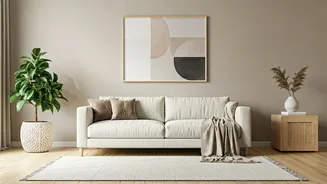
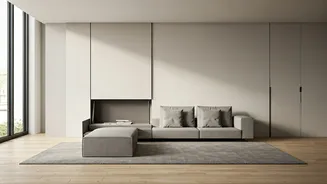
Not long ago, a stylish urban home in Mumbai or Delhi might have looked a lot like one in Milan or New York. The aspirational aesthetic was often imported, driven by a globalized market that favored Scandinavian minimalism and Italian polish. While beautiful,
this trend often left little room for local identity, pushing centuries of indigenous craftsmanship to the margins. But the pendulum is swinging back, hard. Homeowners and designers are increasingly turning away from the impersonal perfection of mass-produced goods and looking inward, rediscovering the rich tapestry of India’s own design heritage. It’s a collective search for authenticity and a rebellion against the ‘fast furniture’ culture that produces homes without stories.
The New-Guard Designers
Leading this charge is a new generation of Indian architects and interior designers. Educated at home and abroad, they possess a unique ability to act as cultural translators. They aren’t interested in creating museum-like spaces filled with untouchable artifacts. Instead, they are reimagining traditional crafts for the 21st-century home. These designers collaborate directly with artisan clusters across the country—from the block-printers of Rajasthan to the cane weavers of Assam. They work to adapt ancient techniques to modern forms, commissioning custom textiles, furniture, and lighting that feel both contemporary and deeply rooted. This partnership ensures that craft is not just preserved, but that it evolves, finding new relevance and new markets.
More Than Just an Aesthetic
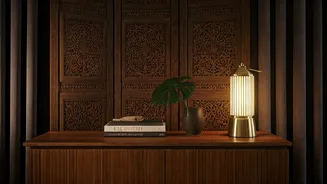
This revival is about much more than just looks. It’s a conscious choice rooted in sustainability, ethics, and cultural pride. Choosing a hand-carved wooden screen over a factory-made one is a vote for natural materials and slower, more mindful production. It’s also an act of economic empowerment. For generations, many artisan communities struggled as demand for their skills dwindled. This renewed interest provides vital livelihoods, helping to sustain families and keep ancient knowledge alive. When you see a wall adorned with a panel of intricate bidri metalwork or a sofa upholstered in hand-loomed khadi cotton, you’re not just seeing a design choice; you’re seeing a commitment to a more equitable and sustainable ecosystem.
Bringing Heritage Home
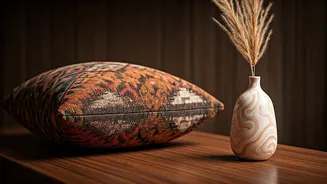
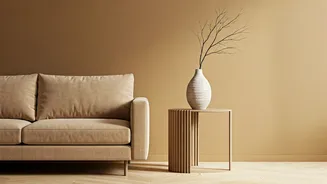
So what does a home with a “handmade soul” actually look like? It’s a space that celebrates imperfection and tells a story. It might feature brightly colored, hand-stitched quilts (kantha) thrown over a modern sofa. You might find a collection of handcrafted brass kitchenware displayed openly, or dining chairs with seats woven from local grasses. Intricately painted tiles from a specific region might create a stunning kitchen backsplash, while custom block-printed curtains filter the afternoon light. It's not about clutter or chaos. The beauty lies in the mix—the dialogue between a sleek, contemporary armchair and a rustic, hand-hewn side table. It’s a design language that says, “This is where I’m from, and this is who I am.”