





What is Biophilic Design?
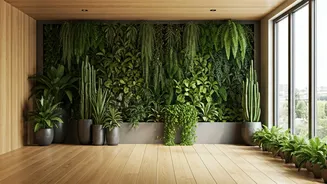
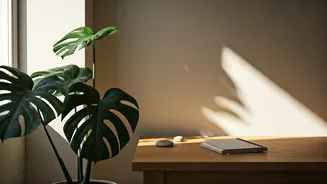
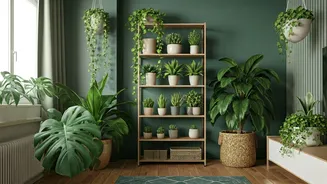
First, let's clear up the term. Biophilic design is more than just scattering a few potted plants around your living room. It’s a design philosophy centered on connecting people with nature indoors. This can involve direct connections, like houseplants,
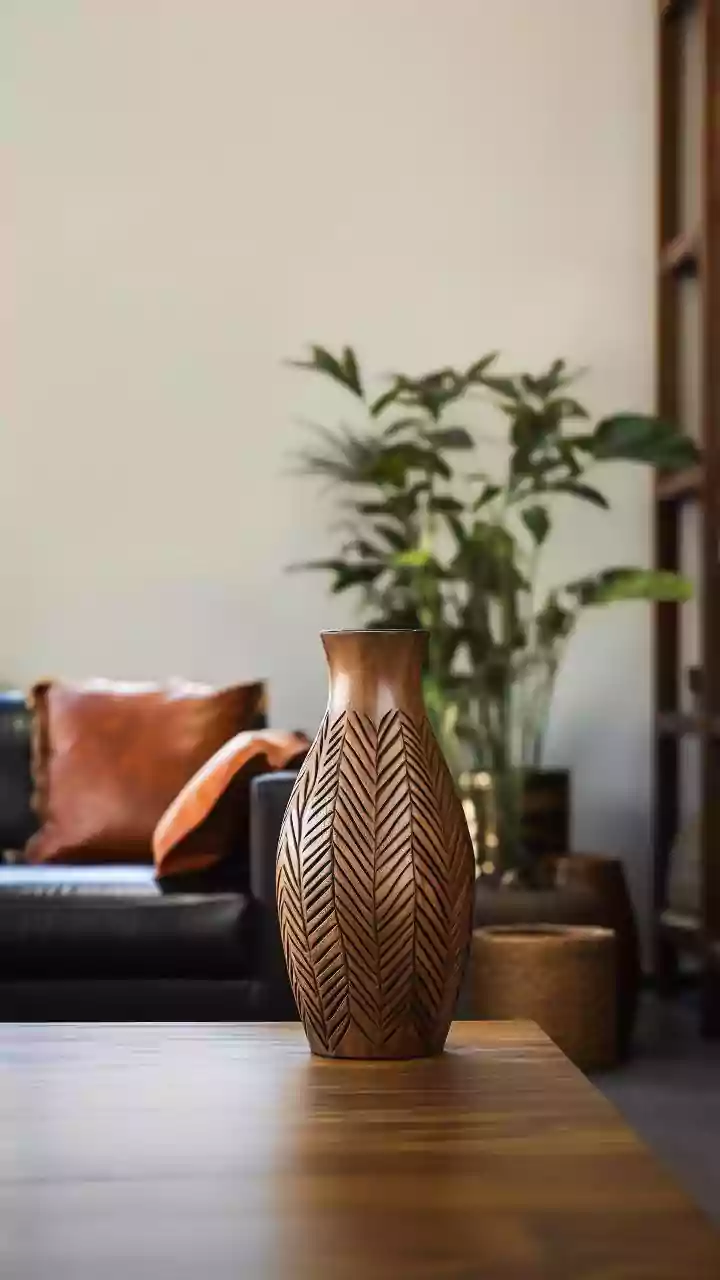
water features, and views of the outdoors, but also indirect ones. Think natural materials like wood and stone, earthy color palettes, and patterns that mimic forms found in nature, like a honeycomb or a leaf structure. The goal is to create a calming, restorative environment that boosts well-being by tapping into our innate human affinity for the natural world. For years, however, pet owners have rightly worried that some of its most popular elements could pose a risk to their four-legged family members.
The Plant Problem (And Its Solution)
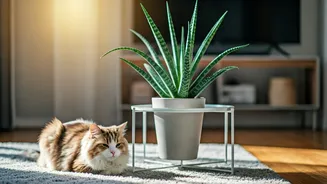
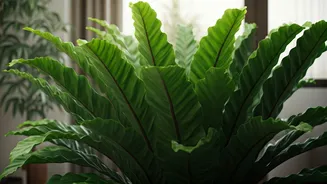
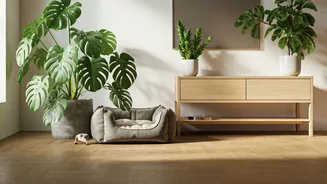
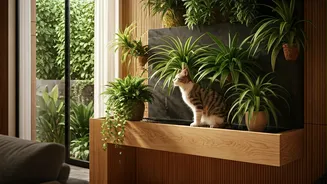
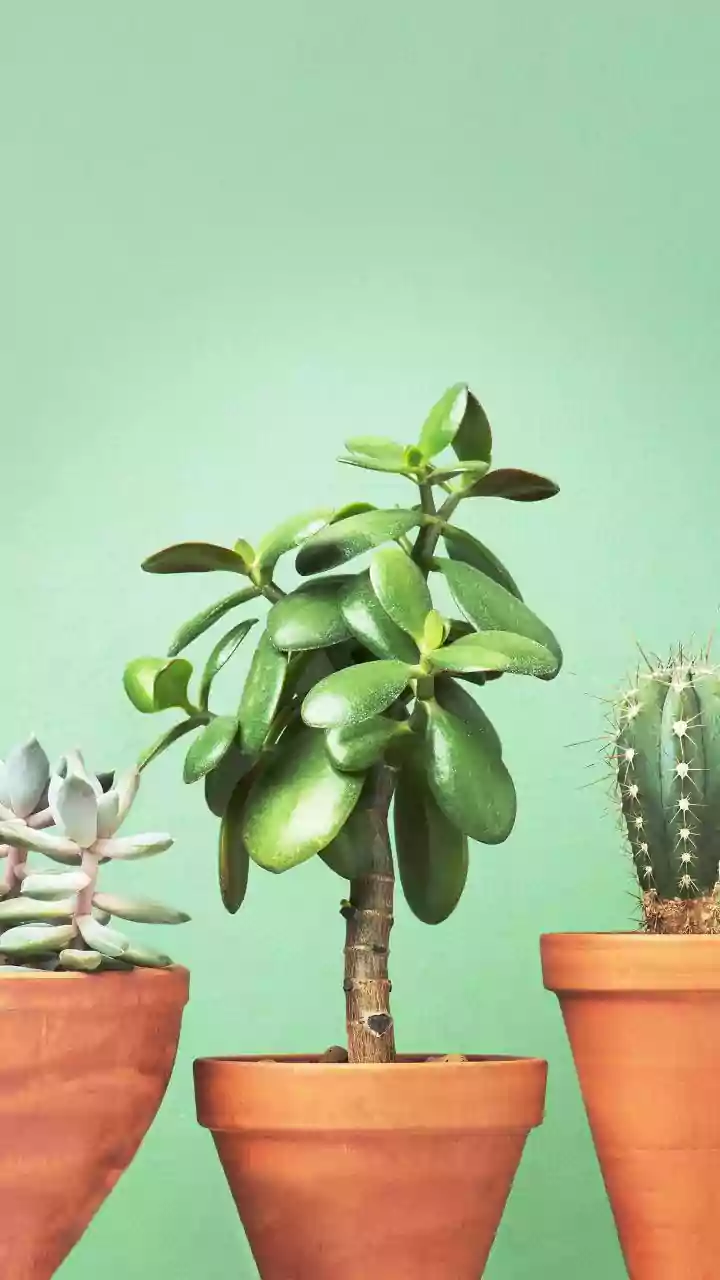
The most immediate concern for pet owners is, of course, the plants themselves. Many trendy houseplants that dominate Instagram feeds are toxic to cats and dogs if ingested. The list includes popular choices like the Snake Plant, Fiddle Leaf Fig, Monstera Deliciosa, and nearly all types of lilies, which are especially dangerous for cats. Symptoms can range from mild mouth irritation to severe gastrointestinal distress or even kidney failure.Fortunately, the solution isn't to give up on greenery. It's about making informed choices. A growing awareness has led to a boom in readily available, pet-safe alternatives that are just as beautiful. The Spider Plant, with its air-purifying qualities and cascading baby 'spiderettes,' is a classic for a reason. Other fantastic, non-toxic options include the Calathea family (known for their stunning, patterned leaves), the Parlor Palm, the Boston Fern, and the entire succulent family of Haworthia. For a pop of color, African Violets are a safe bet. When in doubt, the ASPCA maintains a comprehensive and searchable database of toxic and non-toxic plants, an essential resource for any pet-owning plant lover.
Beyond the Foliage: Materials and Textures
A truly biophilic home considers materials underfoot and at hand. Natural fibers and materials contribute to the sensory experience, but they also require a pet-safety check. When choosing rugs, opt for durable, natural fibers like jute or sisal, which can withstand scratching better than some synthetic options. However, be mindful of looped weaves that can snag a pet's claws. For wood furniture or floors, ensure any sealants or polishes are non-toxic and fully cured before letting your pet have access. Many modern wood finishes are water-based and have low or no volatile organic compounds (VOCs), making them a much safer choice than older, oil-based varnishes. Also, think about stability. That beautiful, reclaimed wood stump you're using as an end table needs to be heavy and stable enough that a rambunctious dog or climbing cat can't knock it over.
Stimulating the Senses, Safely
Biophilia is about engaging all the senses. Natural light is a cornerstone, and thankfully, it’s great for pets, too. Maximizing sunlight can help regulate your pet's circadian rhythm, just like it does for you. When it comes to scent, however, caution is critical. Many essential oil diffusers are used to bring the scent of pine or lavender indoors, but a large number of essential oils—including tea tree, peppermint, and citrus—are highly toxic to pets, especially cats, when inhaled or absorbed through the skin. Instead of diffusers, consider simmering pet-safe herbs like rosemary in a pot of water on the stove for a short time, or simply open the windows to let in fresh air. Small, self-contained tabletop fountains can provide the calming sound of running water, another biophilic element. Just ensure they are stable and the water is clean and free of chemical treatments.