



Why Ferns Are the Answer
In the world of interior design, adding plants is the fastest way to make a space feel alive. But for homes with curious cats and dogs, plant selection becomes a high-stakes decision. Many popular houseplants, like lilies, monsteras, and philodendrons,
are toxic to pets. This is where the humble fern comes in. Their aesthetic is defined by texture, grace, and movement—qualities that instantly 'soften' a room filled with hard furniture and sharp angles. The delicate, arching fronds break up straight lines and add a layer of natural, calming green. Unlike sleek, minimalist plants, ferns feel generous and gentle. Best of all, many of the most beautiful and iconic fern species are completely non-toxic, giving pet parents peace of mind without sacrificing style.
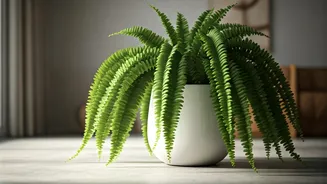
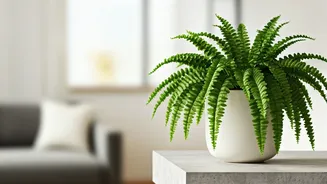
The Classic: Boston Fern (Nephrolepis exaltata)
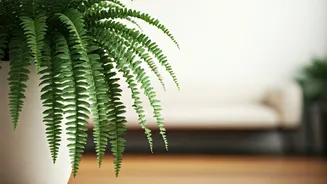
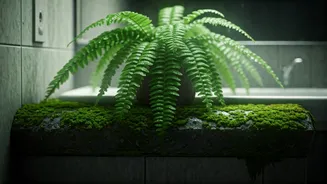
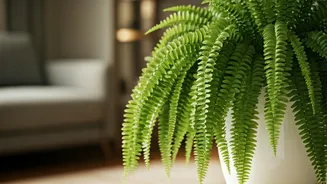
When you picture a classic fern, you're likely thinking of the Boston Fern. With its long, feathery fronds that arch gracefully, it’s a staple for hanging baskets and pedestals. This fern is a champion at adding lushness and volume. A single Boston Fern can transform a sterile corner into a vibrant focal point. Its dense, lacy foliage creates a sense of privacy and enclosure, making a space feel cozier and more intimate. Confirmed as non-toxic to cats and dogs by the ASPCA, it's the perfect starter fern for any pet-friendly household. **Care Tips:** Boston Ferns thrive on humidity. They are an excellent choice for a well-lit bathroom or a kitchen. Keep their soil consistently moist (but not waterlogged) and place them in bright, indirect light. Misting them every few days will help replicate the humid environment they love.
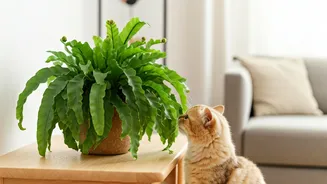
The Sculptural Pick: Bird's Nest Fern (Asplenium nidus)
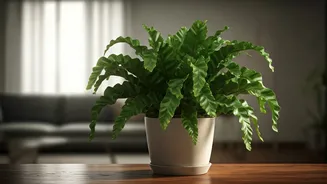
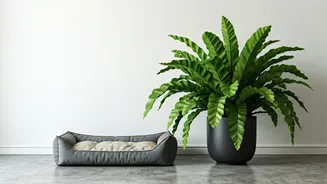
If you prefer a more modern or sculptural look, the Bird's Nest Fern is an exceptional choice. Instead of lacy fronds, it features wide, wavy, apple-green leaves that radiate from a central rosette, resembling a bird's nest. This unique structure provides a bold, architectural element while still feeling organic and soft. The unbroken lines of its leaves offer a different kind of softness—a smooth, flowing form that contrasts beautifully with rougher textures like brick or wood. It’s also completely safe for pets. **Care Tips:** This fern is a bit more forgiving than its feathery cousins. It prefers medium, indirect light, as direct sun can scorch its leaves. Water it when the top inch of soil feels dry, and try to water the soil around the plant rather than pouring directly into the central 'nest,' which can encourage rot.
The Delicate Beauty: Maidenhair Fern (Adiantum)
For a touch of pure elegance, nothing compares to the Maidenhair Fern. Its wiry, black stems hold clusters of tiny, fan-shaped leaves, creating an incredibly delicate and airy effect. The way its fronds tremble with the slightest breeze adds a dynamic, living quality to a room. While its beauty is undeniable, it is notoriously finicky, earning it a reputation as a 'diva' among houseplants. However, if you can meet its needs, the visual reward is immense. It's a statement of gentle beauty and, most importantly, it's non-toxic for your furry friends. **Care Tips:** The key to a happy Maidenhair Fern is high humidity and consistent moisture. Never let its soil dry out completely. It’s perfect for a terrarium or a spot near a humidifier. It needs bright, indirect light and protection from drafts. It’s a commitment, but a worthwhile one.
The Unique Wall Art: Staghorn Fern (Platycerium)
Looking for something truly different? The Staghorn Fern grows not in soil but mounted on plaques of wood, making it living wall art. It has two types of fronds: small, flat basal fronds that clasp onto the mounting surface and large, branching 'antler' fronds that give it its name. This epiphytic (grows on other plants) fern adds an immediate dose of rustic, natural texture to a wall. Its dramatic shape is a conversation starter, and it softens a room by bringing a piece of the untamed forest canopy indoors. And yes, it's entirely pet-safe. **Care Tips:** Staghorn Ferns need bright, indirect light. To water a mounted fern, soak the entire plaque in a sink or tub for 10-20 minutes every week or two, allowing it to drain completely before re-hanging. They also appreciate regular misting to boost humidity.