



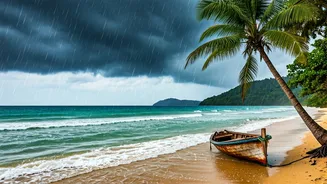
Understanding the Andaman Monsoon
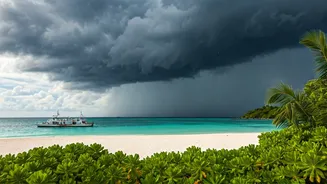
Unlike a simple rainy day back home, the monsoon in the Andaman and Nicobar Islands is a full-blown season that dictates the rhythm of life. The islands experience a double dose: the primary southwest monsoon typically runs from May through September,
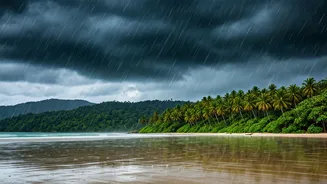
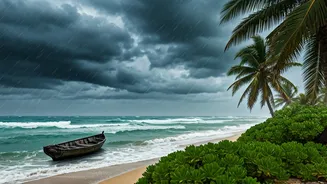
followed by a northeast (or retreating) monsoon from October to December. This isn't just about intermittent showers; it can mean days of relentless downpours, high winds, and rough seas. The India Meteorological Department (IMD) frequently issues warnings for heavy rainfall and cyclonic activity during these months. While the intensity varies year by year, planning a trip during this period means accepting uncertainty as part of the adventure. The rain transforms the islands into a lush, vibrant green, but it also brings logistical challenges that can catch ill-prepared tourists by surprise.
The Real Risks: Ferries and Flights
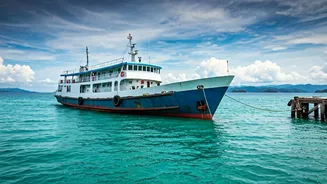
The single biggest disruption for tourists during the monsoon is transportation. The Andaman archipelago is a chain of islands, and the primary way to travel between them—from the main hub of Port Blair to popular destinations like Havelock Island (Swaraj Dweep) and Neil Island (Shaheed Dweep)—is by ferry. During periods of heavy rain and rough seas, both government-run and private ferry services are frequently suspended for safety reasons. This can leave travelers stranded on an island for days longer than planned, forcing them to miss international flights home. While flights into Port Blair’s Veer Savarkar International Airport are less likely to be cancelled, significant delays are common. The domino effect is real: a cancelled ferry can derail your entire itinerary, turning a relaxing vacation into a stressful logistical puzzle.
Activities on Hold vs. What’s Still On
Many of the activities that draw visitors to the Andamans are water-based, and these are the first to be curtailed during the monsoon. Scuba diving and snorkeling operations often shut down or operate on a very limited, day-to-day basis, as poor visibility and strong currents make conditions unsafe. Famous beaches, like Radhanagar Beach, might remain accessible, but swimming can be prohibited due to dangerous rip currents. Glass-bottom boat tours and other sea excursions are almost always a no-go. However, it's not a total wash. The monsoon is the perfect time for indoor or sheltered activities. You can still explore the poignant history of the Cellular Jail in Port Blair, visit the Samudrika Naval Marine Museum, or discover local crafts at the Sagarika Emporium. For nature lovers, the rain-drenched forests offer a different kind of beauty, perfect for short, cautious treks when the weather breaks.
The Silver Lining: Perks of the Off-Season
If you’re a flexible traveler who doesn’t mind a bit of rain, the monsoon season has its rewards. First and foremost are the prices. With fewer tourists, airlines, hotels, and resorts often offer significant discounts, making a trip to this remote paradise far more affordable. Second is the atmosphere. The islands are quiet, serene, and free from the peak-season crowds. You can enjoy a more authentic, laid-back experience, sipping chai while watching the rain from a cozy beachfront cafe. The landscape is arguably at its most beautiful, with the rain washing the dust away and turning the jungles into a thousand shades of emerald. For photographers and travelers seeking solitude over a packed schedule of water sports, the monsoon can be an ideal time to visit.
How to Plan a Monsoon-Proof Trip
Success lies in smart planning. First, build buffer days into your itinerary. Don't book a ferry from an outer island on the same day as your flight home; give yourself at least one or two full days back in Port Blair as a cushion. Second, consider minimizing island hopping. Instead of trying to see three islands in a week, pick one—like Havelock—and settle in. This reduces your dependency on ferry schedules. When booking, opt for flexible or refundable accommodations and flights where possible. Pack accordingly: bring a reliable raincoat, quick-dry clothing, waterproof bags for your electronics, and non-slip footwear. Finally, stay informed. Keep an eye on the IMD weather bulletins and maintain open communication with your hotel and ferry operator about potential disruptions. A little preparation can turn a potential travel nightmare into a memorable, rain-soaked adventure.