
1. Why Green Is the New Neutral
For years, the design world orbited a predictable palette of neutrals: crisp whites, versatile grays, and warm beiges. They were safe, easy, and provided a blank canvas. But a collective desire for warmth and personality has dethroned gray as the default.
Enter green. What makes it the perfect successor is its unique ability to act as a neutral while still delivering color. Rooted in nature, green has a grounding, calming effect that we subconsciously crave. This connection to the outdoors—a concept known as biophilic design—makes it feel both restorative and sophisticated. It doesn't clash with other colors; it complements them, just as it does in a garden. Whether it’s a deep forest green anchoring a room or a pale sage providing a whisper of color, green works with wood tones, metals, and textiles of all kinds, proving its incredible versatility.
2. Finding Your Perfect Shade
The beauty of the green trend is its sheer range. There’s a shade for every mood and every style of home. Not sure where to start? Think about the feeling you want to create. - **Sage Green:** Soft, dusty, and serene. Sage is the ultimate calming color, perfect for bedrooms, bathrooms, and living spaces where you want to unwind. It has gray undertones, making it a subtle and sophisticated choice that pairs beautifully with cream, wood, and leather. - **Olive Green:** Earthy, rich, and warm. Olive green has a timeless, slightly moody quality that feels both organic and elegant. It’s fantastic for kitchen cabinets, cozy reading nooks, and anywhere you want to foster a sense of heritage and comfort. - **Emerald Green:** Luxurious, vibrant, and bold. If you’re looking to make a statement, emerald is your answer. Associated with opulence and energy, this jewel tone works wonders on a velvet sofa, a lacquered accent wall, or in dramatic wallpaper patterns. - **Forest Green:** Deep, grounding, and enveloping. This dark, saturated shade creates a cozy, intimate atmosphere. It’s a powerful choice for a library, office, or dining room, especially in a matte finish that absorbs light and adds depth.
3. The Low-Commitment Approach: Start with Accents
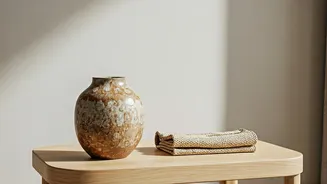
You don't need to repaint your entire house to embrace the green movement. In fact, some of the most effective designs use green as a strategic pop of color. This is the perfect entry point if you're color-shy or live in a rental. Start by swapping out your existing accessories for green ones. Think throw pillows and blankets on the sofa, a new set of towels in the bathroom, or a ceramic vase on the entryway table. In the kitchen, consider green dishware, a new tea kettle, or even just a bowl of green apples on the counter. Curtains are another fantastic way to bring in a swath of color without the permanence of paint. These small touches instantly freshen up a space and make it feel more current and connected to the trend.
4. Go Bigger: Paint and Furniture
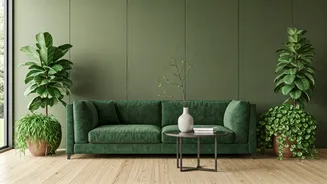
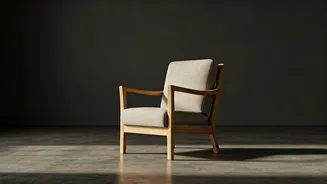
Ready for a more significant change? Paint offers the most dramatic transformation for the least amount of money. An all-over sage green can make a bedroom feel like a peaceful retreat, while a deep forest green accent wall can add incredible depth and focus to a living room. Don't forget about smaller-scale paint projects, like painting the inside of a bookshelf, the trim around a window, or an old wooden chair. For a true investment piece, consider green furniture. A green sofa has become a modern classic, acting as a centerpiece that is both stylish and surprisingly versatile. If a couch feels too daunting, an armchair, an ottoman, or a set of dining chairs in a shade of green can provide that perfect dose of color and anchor the room's new palette.
5. Don't Forget the Original Green: Houseplants
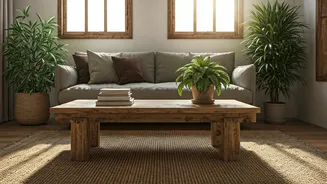
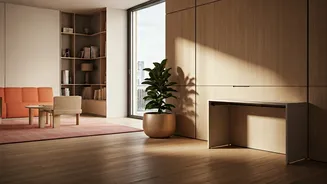
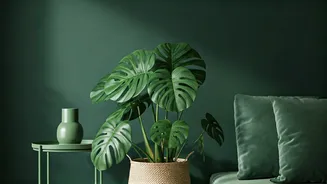
Before green was a paint color, it was a plant. The easiest and most authentic way to bring green into your home is with living greenery. Houseplants are the ultimate decor piece: they add color, texture, and organic shape to a room while also purifying the air. You can start small with a single snake plant on a shelf or a pothos trailing from a hanging basket. For a bigger impact, group several plants of varying sizes and leaf shapes together to create a lush indoor jungle effect. A large fiddle-leaf fig or monstera plant can serve as a living sculpture in the corner of a room, instantly breathing life and energy into the space. They are the perfect complement to any other green decor you choose to incorporate.