






From Chaos-Core to Quiet
For years, the defining look of the youngest generation of adults was a vibrant, often dizzying, sartorial whirlwind. Fueled by TikTok's hyper-accelerated trend cycle, styles like cottagecore, McBling, and avant-apocalypse could rise and fall within a single
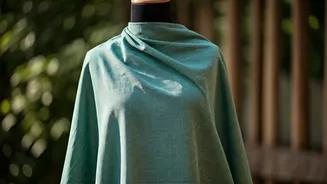
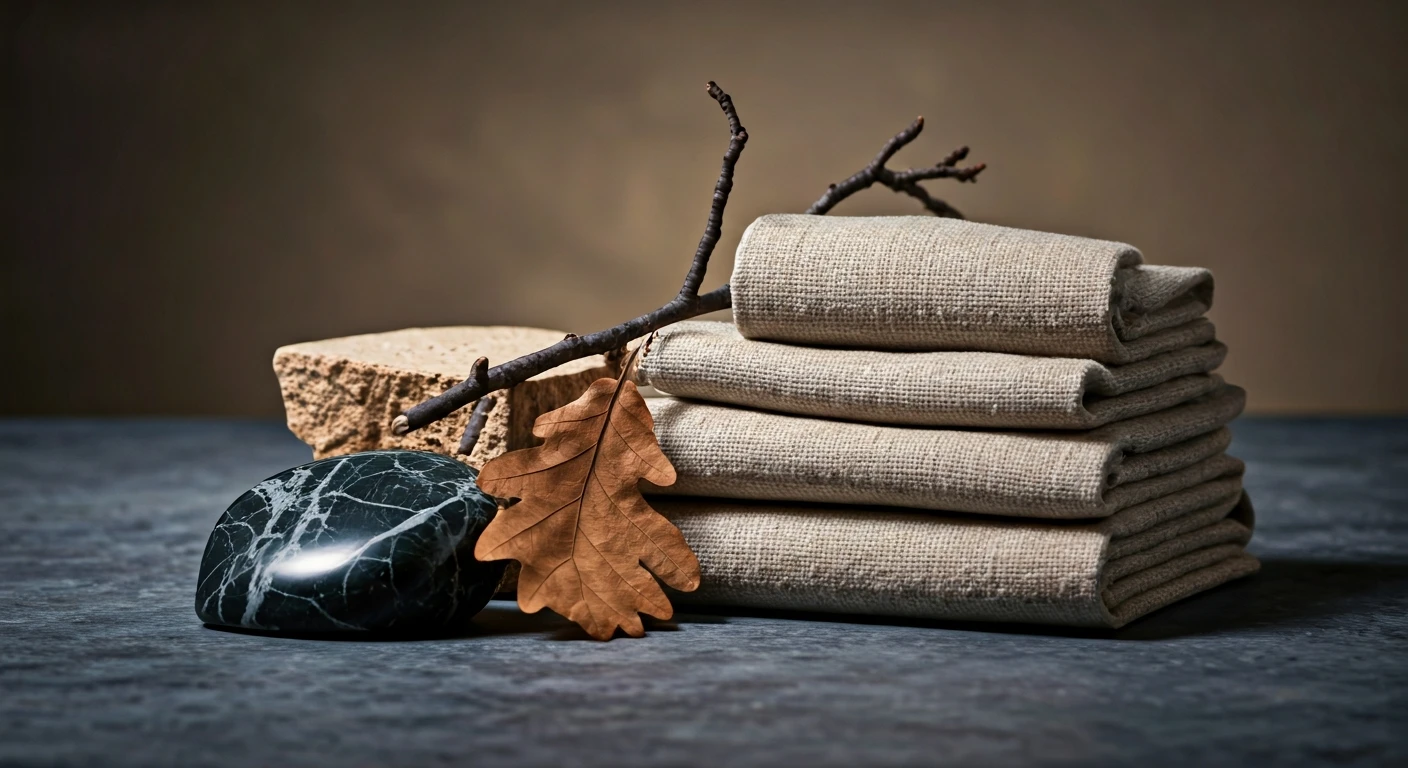
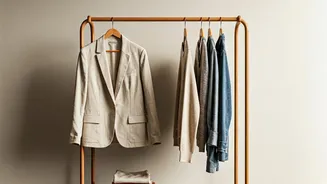
month. Wardrobes were stuffed with Shein and Zara hauls, each piece a fleeting nod to an algorithmically-fed fad. But the pendulum is swinging back. The emerging 'calm era' is a direct rejection of that noise. Visually, it translates to neutral color palettes—think beige, cream, grey, and black—paired with classic, timeless silhouettes. We're seeing fewer statement prints and more high-quality basics: the perfect white tee, the well-cut trouser, the versatile trench coat. It’s less about being seen and more about feeling composed.
The Economics of Muted Tones
This aesthetic shift isn’t just happening in a vacuum; it’s deeply rooted in economic reality. As Gen Z enters a workforce marked by inflation and financial uncertainty, the logic of disposable fashion is collapsing. The idea of spending $200 on a mountain of polyester that will be out of style by next season suddenly seems reckless. Instead, the 'cost per wear' calculation is taking precedence. This has given rise to a Gen Z version of 'quiet luxury'—not necessarily about buying Chanel, but about investing in quality pieces that will endure for years, not weeks. A $150 pair of well-made leather loafers or a durable cashmere-blend sweater becomes a smarter purchase than ten $15 tops. This is 'recession-core' made chic, a pragmatic approach to style that prioritizes longevity and value over fleeting novelty.
Logging Off the Trend Cycle
Beyond the financial pressure, there's a palpable sense of digital burnout. Being constantly plugged into the trend matrix is exhausting. The pressure to identify, purchase, style, and post the latest 'aesthetic core' before it becomes cringe is a full-time job with no pay. The 'calm era' is a form of stylistic self-care, an intentional step off the hamster wheel. It’s about developing a personal uniform rather than adopting a temporary online persona. By focusing on classic shapes and neutral colors, individuals can build a cohesive wardrobe that reflects their own taste, not the whims of a TikTok algorithm. This movement favors personal style over fashion trends, creating a sense of stability and identity in a world that often feels overwhelmingly fast and fragmented.
A Softer Environmental Footprint
The final piece of the puzzle is sustainability. Gen Z is acutely aware of the environmental and ethical catastrophes wrought by the fast-fashion industry. The images of textile waste mountains in Chile and Ghana, coupled with reports of exploitative labor practices, have left a sour taste. While no form of consumption is perfectly 'green,' the 'calm era' represents a move toward a more conscious model. Buying fewer, better things is inherently more sustainable than constant churning. This has fueled a renewed interest in secondhand shopping on platforms like Depop and The RealReal, not for kitschy vintage finds, but for high-quality, pre-owned basics from brands known for their durability. It’s an ethos of 'less but better,' applied directly to the closet.