


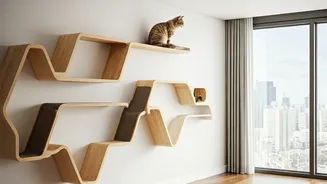


First, What Is 'Catification'?
Coined by cat behaviorist Jackson Galaxy, 'catification' is the art and science of modifying your home to meet the instinctual needs of your indoor cat. At its core, it’s about creating an environment where cats can be cats—allowing them to climb, perch,
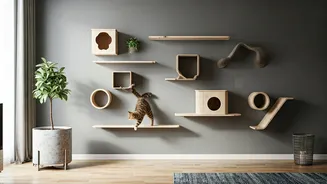
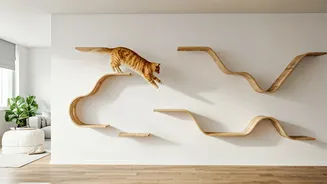
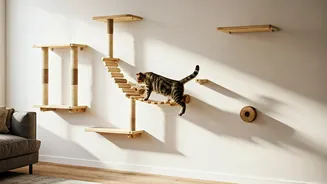
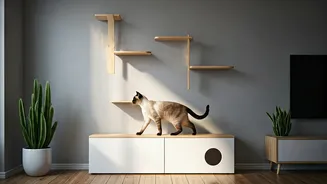
scratch, and survey their territory from a high vantage point. In the tight quarters of urban apartments, this most often translates to leveraging vertical space. Instead of letting your walls sit empty, you transform them into a stimulating, multi-level environment. This isn’t about bulky, carpet-covered towers that clash with your decor. Modern catification is sleek, integrated, and designed with a human’s aesthetic sense in mind, using wall-mounted shelves, perches, and bridges that look more like intentional design choices than pet store afterthoughts.
The High-Rise Solution
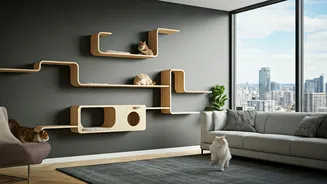
Nowhere is this trend more impactful than in high-rise buildings. A studio or one-bedroom apartment offers limited floor space, which can lead to boredom, anxiety, and even destructive behavior in cats who lack stimulation. A balcony might offer a sliver of the outdoors, but it can’t replace the need to explore and climb. Cat shelves provide an elegant solution. By going vertical, you effectively multiply your cat’s usable living space without sacrificing any of your own. A well-planned wall route gives a cat a place to exercise, retreat from a busy household (or a visiting dog), and observe its surroundings from a place of safety and confidence—a crucial psychological need for felines.
Making It Aesthetic
The key to this trend's popularity is the emphasis on aesthetics. Forget the old eyesores. Today’s cat shelves are beautiful. Designers and DIYers are using materials like finished pine, dark walnut, and birch plywood, often paired with minimalist black or brass brackets that complement modern, mid-century, or Scandinavian decor. Some owners wrap shelves in sisal rope to create a scratching surface, while others add custom-fit cushions made from boucle or linen. The goal is to make the cat’s furniture look like *your* furniture. A set of floating shelves can be arranged in a sculptural pattern, creating a feature wall that is both a conversation piece for guests and a playground for your pet. When done right, it enhances your home’s interior design rather than detracting from it.
Planning Your Layout and Safety
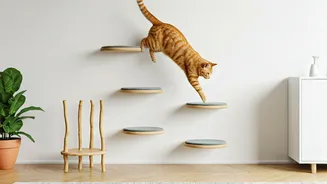
Before you start drilling, a little planning goes a long way. The most important factor is safety. Shelves must be securely anchored into wall studs to support your cat’s weight, especially when they’re leaping from one to another. Use a stud finder and choose hardware rated for well over your cat’s weight. Spacing is also critical. The shelves should be close enough for a comfortable jump, but far enough apart to be challenging and fun. A good rule of thumb is no more than a foot or two of vertical and horizontal distance between perches. Also, consider the flow. Create a clear path that leads somewhere desirable, like a cozy perch near a window or a high-up 'lookout' spot. Finally, ensure the surfaces have some grip. While sleek wood is pretty, a non-slip carpet square, cork layer, or textured finish will prevent accidents.
Beyond the Basic Shelf
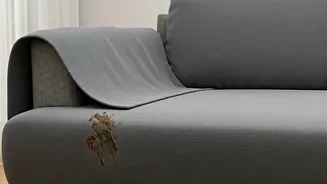
While floating shelves are the foundation of many catification projects, the concept is expanding. Modular systems now include enclosed cubbies, wall-mounted hammocks, see-through acrylic pods, and sturdy rope bridges that connect different parts of a room. Some of the most ambitious projects create entire circuits that allow a cat to circumnavigate a living room without ever touching the floor. These additions provide variety, offering places for both active play and quiet rest. Integrating a wall-mounted scratching post into your layout can also help redirect your cat’s scratching instincts away from the arm of your sofa. You can start with a simple three-shelf setup and gradually add more complex elements as you observe how your cat uses the space.