




More Than a Walk in the Park
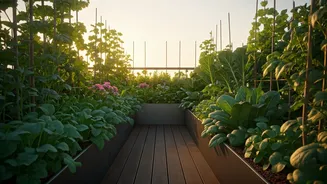
The urban farming boom is quietly reshaping more than just our food systems; it’s transforming how city residents and their pets experience nature. Across the country, community gardens, rooftop farms, and small agricultural plots are becoming shared
sanctuaries. While traditional parks offer open space, these green pockets provide a different, more curated-by-nature experience. It’s a trend born from a dual desire: the need for green space in dense environments and the deepening bond we have with our pets, who are increasingly seen as integral family members deserving of enriching experiences. For many, a trip to the local community garden is becoming a new weekend ritual, replacing a sterile dog run with a vibrant, living ecosystem.
A Symphony for the Senses
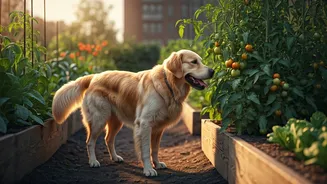
For a dog or cat on a leash, a typical city walk is a familiar landscape of fire hydrants, pavement, and fleeting encounters. A garden is an entirely different world. Animal behaviorists emphasize the importance of sensory enrichment, and an urban farm is a veritable buffet for the senses. The damp earth after watering, the fragrant scent of lavender or mint, the buzzing of bees, and the texture of mulch under their paws offer a complex tapestry of stimuli that a concrete sidewalk simply can’t match. This isn’t just about physical exercise; it's mental stimulation. A dog that is allowed to safely sniff its way through a garden plot is engaging its most powerful sense, processing information, and de-stressing in a way that’s crucial for its well-being. It turns a mundane walk into an exciting expedition.
Green Therapy for Two
The benefits are hardly one-sided. The therapeutic effects of gardening—known as horticultural therapy—are well-documented. The act of tending to plants reduces stress, improves focus, and provides a gentle form of physical activity. When you add a loyal pet to the mix, these benefits are amplified. The shared, quiet moments spent weeding a plot with a dog dozing nearby create a powerful sense of peace and companionship. These spaces also foster human connection. Striking up a conversation with a fellow gardener about their tomato plants is easy; doing so when you’re both accompanied by your canine friends creates an instant, powerful bond. In an increasingly isolated urban world, these gardens are becoming the new front porches, fostering communities of people and pets alike.
Rules of the Green Thumb
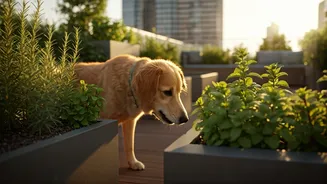
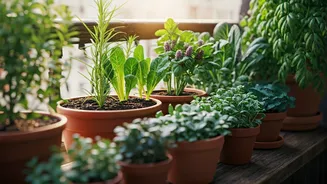
Before you grab a leash and head to the nearest patch of green, it’s crucial to understand that these are shared, and often delicate, ecosystems. Not all community gardens are pet-friendly, so the first step is always to check the rules. For those that do welcome four-legged visitors, etiquette is key. Pets should always be leashed and kept out of the garden beds themselves to protect the plants and soil. Waste must be picked up immediately. Most importantly, owners need to be aware of pet-safe and toxic plants. Many common garden ornamentals, such as lilies, tulips, and daffodils, are highly toxic to cats and dogs. Vegetables like onions and garlic are also harmful. Savvy pet-owning gardeners learn to focus on pet-safe herbs like rosemary and basil, or colorful, non-toxic flowers like sunflowers and zinnias. Respect for the space, the plants, and the other gardeners ensures that these urban oases remain welcoming for everyone.