

Varanasi: The Spiritual Spectacle
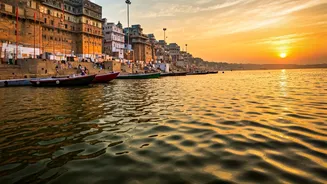
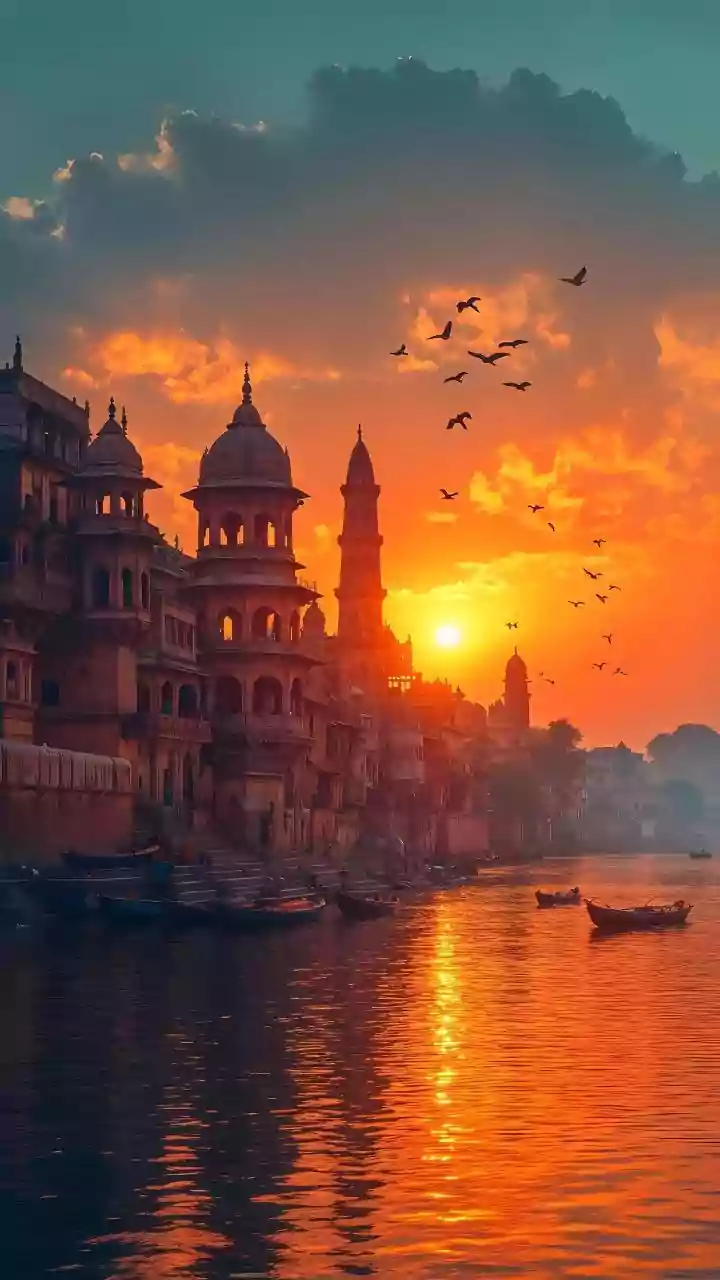
Varanasi is a city that feels as old as time itself, and it’s a place many Americans recognize, even if they’ve never been. It's the spiritual heart of Hinduism, perched on the banks of the sacred Ganges River. The images are iconic: thousands of diyas
(oil lamps) floating on the water during the evening Ganga Aarti ceremony, weathered stone steps—the famous ghats—descending into the river, and saffron-robed sadhus in quiet contemplation. It is, without question, visually stunning. But to see Varanasi only as a photo opportunity is to miss the point entirely. This isn't a performance for tourists; it's the raw, unfiltered theater of life and death. The city is a major pilgrimage site where Hindus come to wash away their sins in the holy river or to cremate their loved ones on the burning ghats, believing it will free their souls from the cycle of reincarnation. Navigating the chaotic, labyrinthine alleys, you're hit with a sensory overload: the scent of incense and marigolds mixed with spices and sewage, the constant chime of temple bells, and the murmur of prayers. It is a city that confronts you with the big questions, a place where the spiritual and the material worlds collide in a messy, profound, and unforgettable spectacle.
Jorhat: The Green Engine of Assam
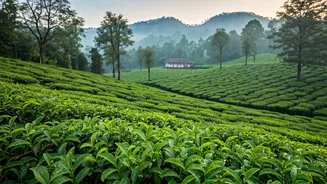
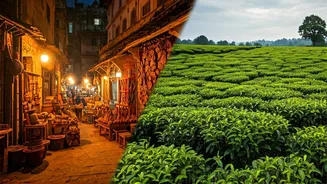
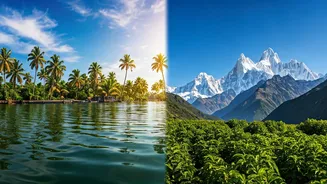
Fly northeast from Varanasi, and you'll land in a different India altogether. Welcome to Jorhat, a city in the state of Assam that few Americans could place on a map. There are no ancient, world-famous rituals here. Instead, Jorhat’s identity is rooted in the earth. Known as the “Tea Capital of India,” this is the epicenter of the country's massive tea industry. The landscape is a rolling sea of immaculate green, with perfectly manicured tea bushes stretching as far as the eye can see. Instead of spiritual pilgrims, Jorhat’s lifeblood is science and agriculture. It’s home to the Tocklai Tea Research Institute, the world's oldest and largest tea research center, founded in 1911. Here, botanists and engineers work to perfect the Camellia sinensis plant, developing new cultivation techniques and processing methods that end up in teacups around the globe. The city’s history is tied to the British colonialists who established the plantations, and their legacy can still be seen in the charming colonial-era bungalows that now serve as heritage hotels. Jorhat offers a different kind of beauty—not of ancient spirituality, but of quiet industry, lush nature, and the meticulous process behind one of the world's most beloved beverages.
A Tale of Two Indias
Comparing Varanasi and Jorhat reveals the sheer complexity of modern India. They represent two powerful, co-existing realities. Varanasi is a city of profound being and belief, where the economy is deeply intertwined with faith. Its primary export is a spiritual experience. It is loud, intense, and deeply introspective. The city's rhythms are dictated by ancient lunar calendars and timeless rituals. Jorhat, on the other hand, is a city of doing and producing. Its rhythm is tied to the seasons of planting and plucking, its prosperity linked to global commodity markets. Its purpose is tangible, measured in tons of processed tea leaves. While Varanasi looks inward to the soul, Jorhat looks outward to the world's breakfast tables. One is a destination for those seeking spiritual answers; the other is the source of a simple, daily ritual enjoyed by millions. Both are essential threads in the fabric of India, one representing its ancient soul and the other its productive, agricultural might.