

Understanding the Andhra Monsoon
When Americans think of “monsoon,” we often picture a steady, day-long drizzle. In Southeast Asia, however, it’s an entire season, not just a type of rain. The Indian state of Andhra Pradesh, with its long Bay of Bengal coastline, experiences two distinct
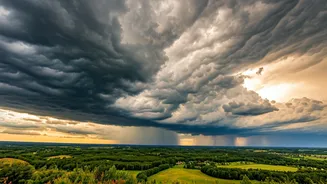
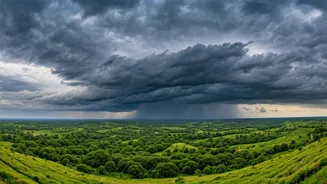
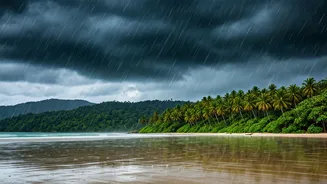
monsoon periods. The primary one, the Southwest Monsoon, typically arrives in June and lasts through September, bringing the heaviest and most consistent rainfall. This is followed by the Northeast Monsoon from October to December, which can also bring significant rain, particularly to the southern coastal districts. This isn't a case of a few scattered showers ruining a beach day; it's a large-scale weather pattern that can reshape travel logistics, with heavy downpours leading to localized flooding, choppy seas, and potential travel delays on roads and railways.
The Impact on Coastal Hotspots
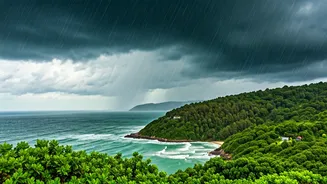
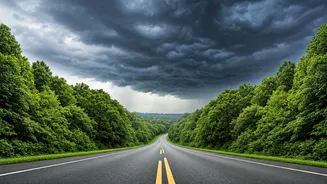
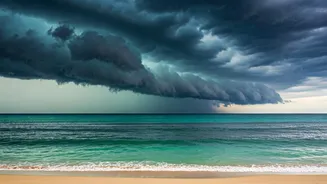
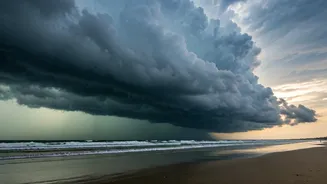
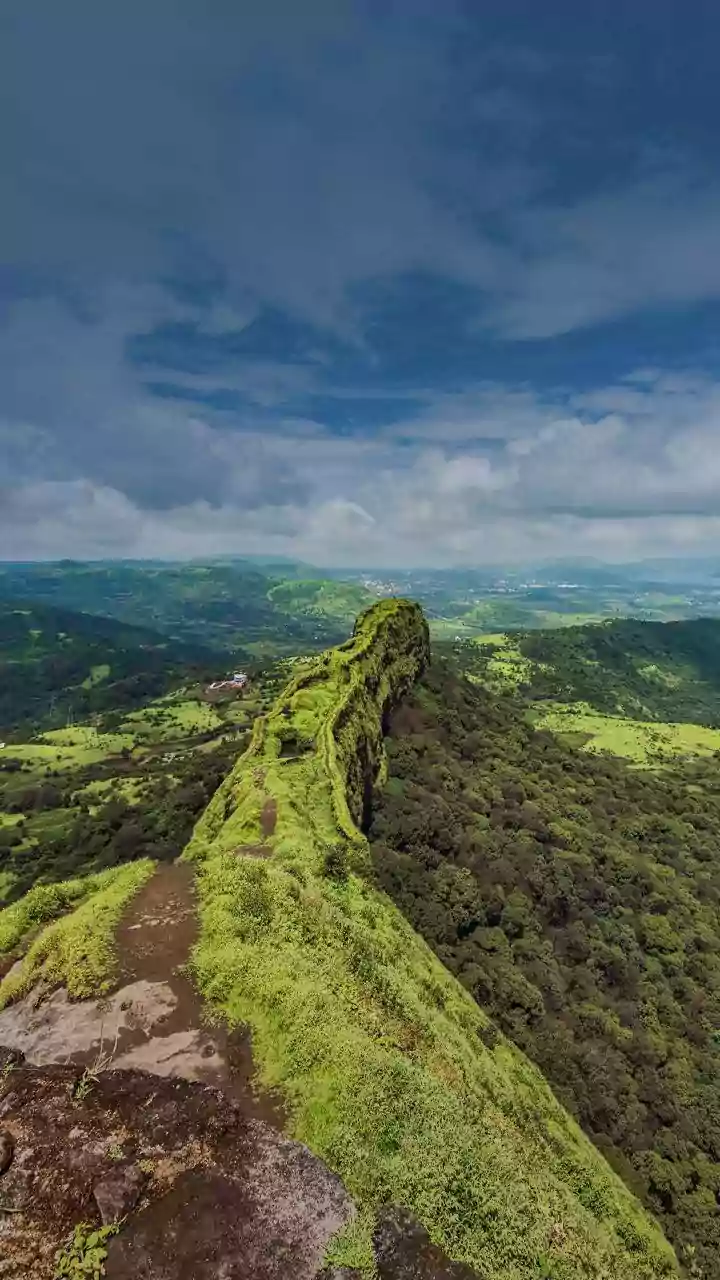
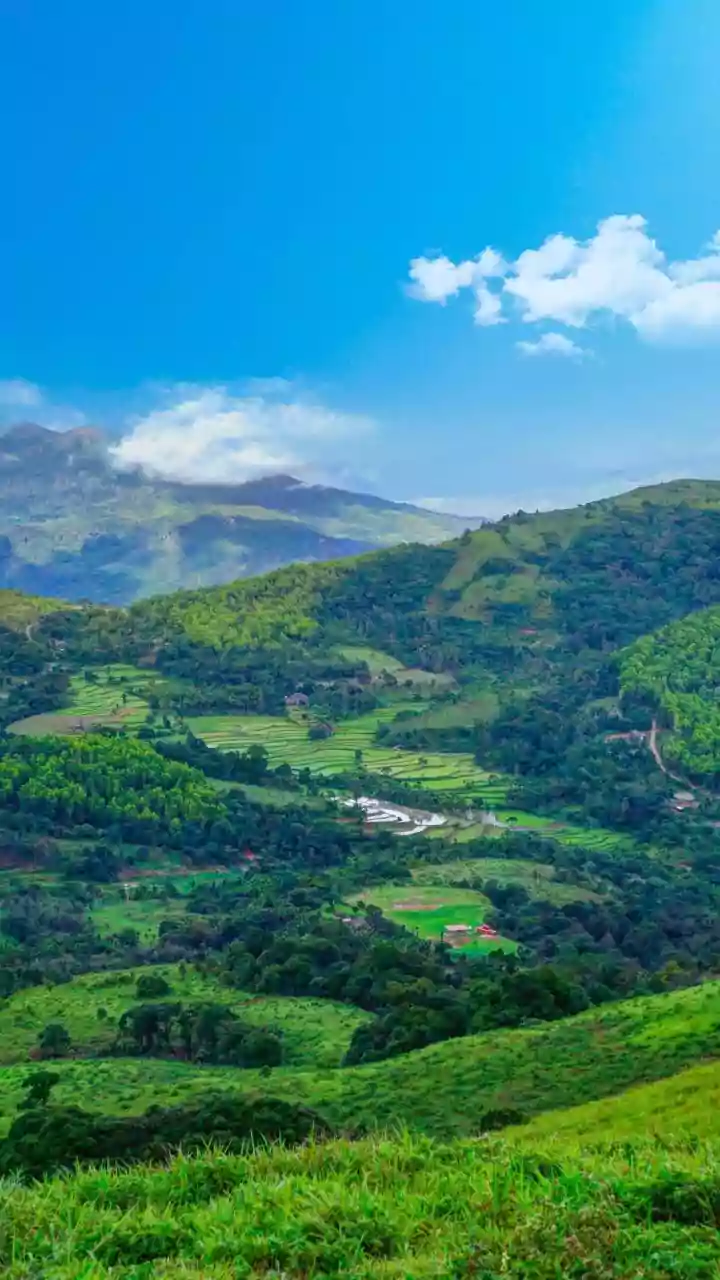
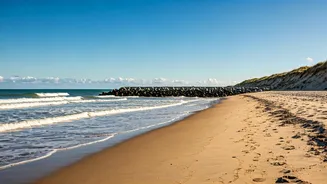
The effects of the monsoon vary across the region’s key destinations. Visakhapatnam, or “Vizag,” the state's largest city and a major tourist hub, remains accessible but its famous beaches, like Ramakrishna Beach and Rushikonda, become less about swimming and sunbathing and more about watching dramatic, stormy waves crash ashore. Water sports are almost universally suspended for safety reasons. Further inland, the popular hill station of Araku Valley, a common getaway from Vizag, transforms into a landscape of lush, emerald-green hills and gushing waterfalls. While breathtakingly beautiful, the winding roads leading to the valley can become hazardous, sometimes experiencing washouts or landslides. Smaller beach towns and remote temple sites may become difficult to reach, with unpaved roads turning to mud.
The Pros of Off-Season Travel
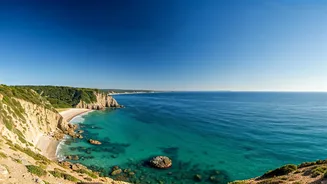
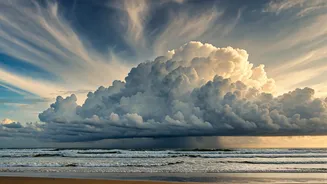
While the challenges are real, traveling during the monsoon isn't without its significant upsides. The most obvious benefit is the lack of crowds. You’ll experience popular sites with a sense of tranquility that’s impossible during the peak dry season. This also translates to your wallet; hotels and even some tour operators often offer steep discounts to attract visitors during the slower months. For photographers and nature lovers, this is arguably the best time to visit. The rain washes away the dust, leaving the landscape vibrant and intensely green. The air is cleaner, and the dramatic, cloud-filled skies create a moody, atmospheric backdrop for photos that is far more unique than a generic sunny day. It’s an opportunity to see the region as the locals do, huddling in a cozy café with a hot cup of chai while the rain comes down.
How to Plan a Monsoon Getaway
If you decide to embrace the rain, smart planning is essential. First, pack accordingly. A high-quality waterproof jacket, quick-dry clothing, and sturdy, water-resistant footwear are non-negotiable. An umbrella can be useful for city strolling, but it’s no match for a proper downpour. Second, build flexibility into your itinerary. Don’t book a rigid, back-to-back schedule. Assume there will be delays and have backup plans. This might mean spending an extra day in a city or being prepared to swap an outdoor excursion for a visit to a museum, like the INS Kurusura Submarine Museum in Vizag. Finally, book accommodations and transport with good cancellation policies, and always check the local India Meteorological Department (IMD) forecasts before heading out for the day. Prioritizing hotels with solid infrastructure and reliable power is also a wise move during this season.