

The Great Escape vs. The Great Congestion
Let’s be honest about the classic American beach vacation. For every serene sunrise walk, there are hours spent in traffic, exorbitant prices for parking, and the constant, thrumming soundtrack of a thousand other vacationers. We seek an escape from the daily
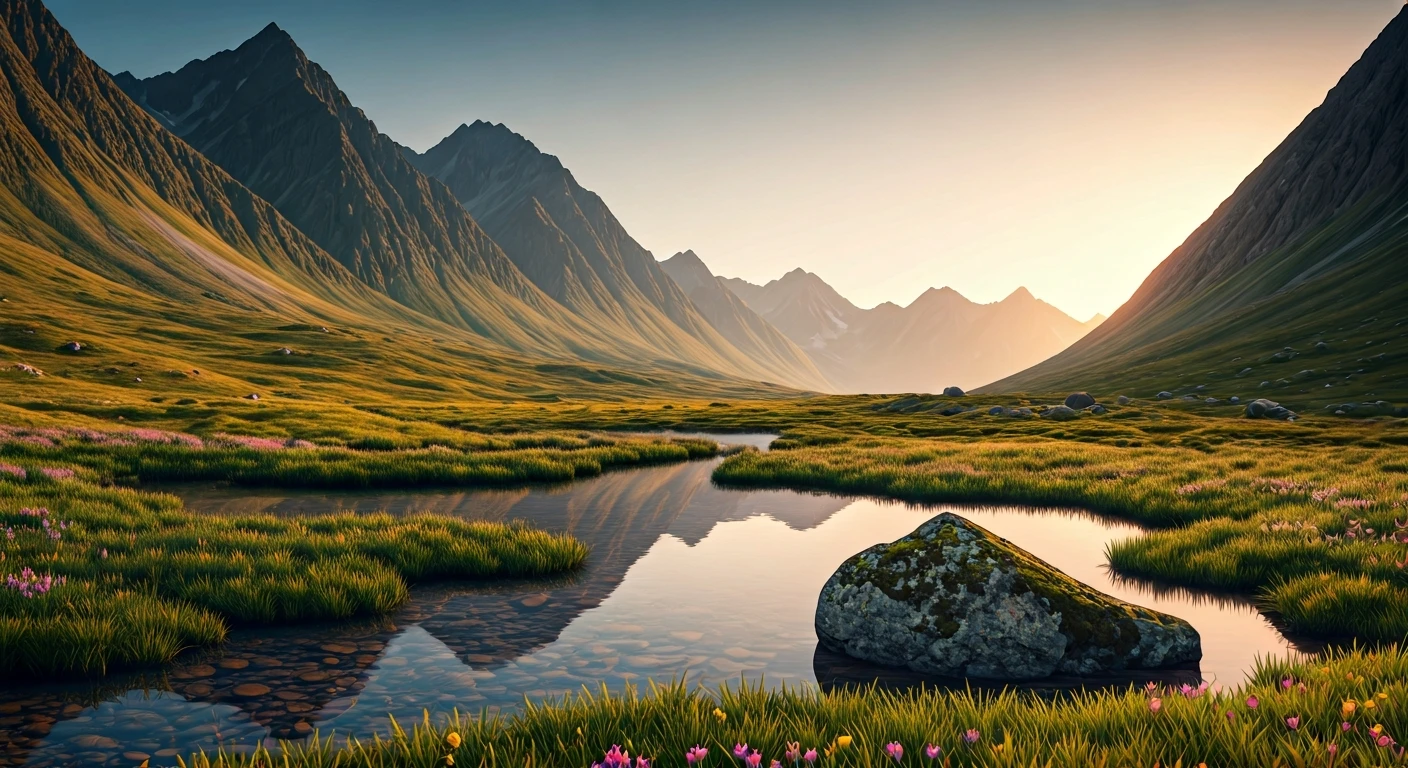
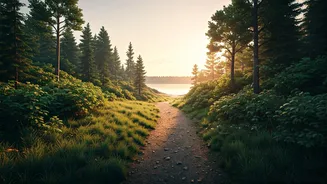
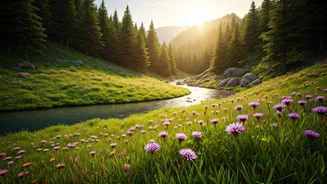
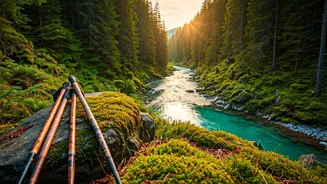
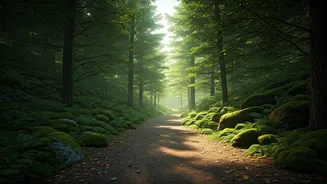
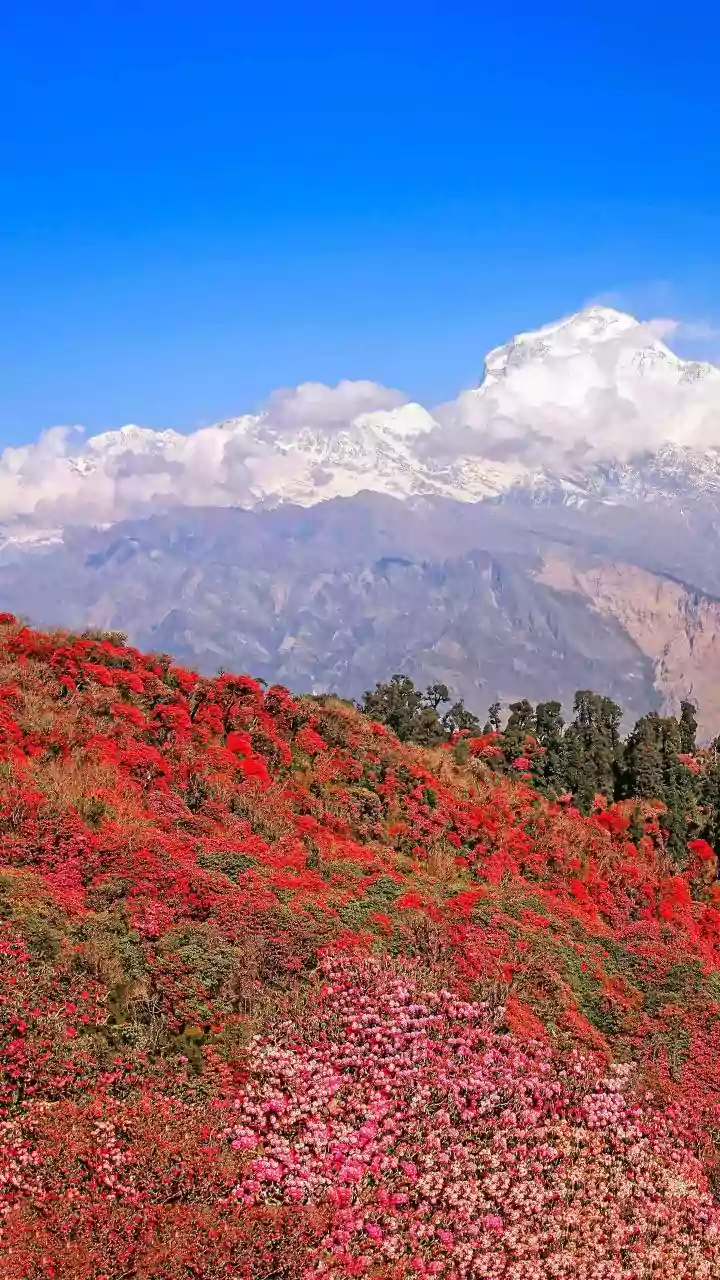
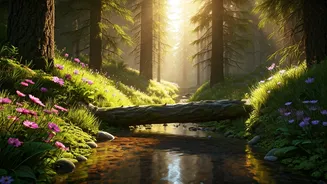
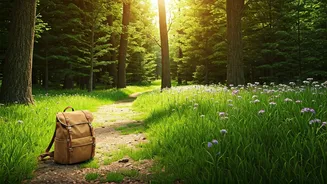
grind, yet often find ourselves in a different kind of crowd, trading office stress for the social stress of a resort town. You’re competing for a spot on the sand, a table at the only decent restaurant, and a moment of peace that never quite arrives. The promise is relaxation, but the reality is often just a lateral move into a different, sandier form of congestion. “Green trips,” by contrast, are built around the idea of decompression. This doesn’t just mean eco-friendly; it means trips designed around space, nature, and a slower pace. Think of renting a cabin by a national forest, staying at a farm that practices regenerative agriculture, or kayaking down a quiet river. Instead of noise, there is birdsong. Instead of crowds, there is solitude. The goal isn’t to see and be seen, but to simply be. It’s an active choice to step away from the very hyper-stimulation that makes us feel we need a vacation in the first place.
The Science of ‘Feeling Better’
The headline's central claim—that these trips “feel better”—isn’t just anecdotal. There’s a growing body of scientific evidence that supports the restorative power of nature. The Japanese practice of *shinrin-yoku*, or “forest bathing,” has been shown to lower cortisol (the stress hormone), reduce blood pressure, and improve mood. Studies in environmental psychology consistently find that spending time in natural environments, even for short periods, enhances cognitive function and emotional well-being. When you’re stuck on a crowded beach, your brain is still processing a high volume of social and sensory information: navigating crowds, tuning out loud music, managing your personal space. It’s work. When you’re walking a trail, listening to the wind in the trees, or watching a sunset over a quiet lake, your brain can switch to a different mode. This state, often described as “soft fascination,” allows your mind to wander and recover from directed-attention fatigue. That feeling of a deep, restful exhale you get in the wild? That’s your nervous system literally calming down. The “better” feeling is a real, physiological response.
Leaving a Lighter, More Meaningful Footprint
The “green” in “green trips” is also about values. The traditional tourism model can be incredibly extractive, placing immense strain on local infrastructure, environments, and communities. Over-tourism in popular coastal areas has led to beach erosion, water pollution, and the displacement of local culture in favor of a homogenized, tourist-friendly veneer. Choosing a sustainable travel option connects you to a place in a more authentic way. Staying at an eco-lodge, volunteering for a trail-maintenance project, or visiting a small town that relies on conservation-based tourism means your money supports the preservation of the very thing you came to enjoy. This alignment of action and values contributes significantly to the post-vacation glow. You aren’t just a consumer of a place; you become a temporary steward of it. Knowing your relaxation didn't come at an ecological or social cost adds a layer of satisfaction that a cheap souvenir or a tan can’t match.
Finding Your Own Green Escape
This isn't an argument against ever seeing the ocean again. It’s an invitation to redefine what a trip can be. A “green trip” doesn’t have to involve a month-long trek through the Amazon. It can be as simple as choosing a state park over a major theme park. Consider a long weekend at a designated Dark Sky Park, where the main attraction is simply looking up. Explore the burgeoning world of agritourism, where you can stay on a working vineyard, farm, or ranch, experiencing a deeper connection to where your food comes from. Or try a conservation-focused trip, where part of your vacation is spent participating in citizen science projects, like bird counts or wildlife tracking. These experiences offer more than just a photo-op; they offer a story, a skill, and a sense of genuine participation.