


Welcome to the Forbidden Kingdom
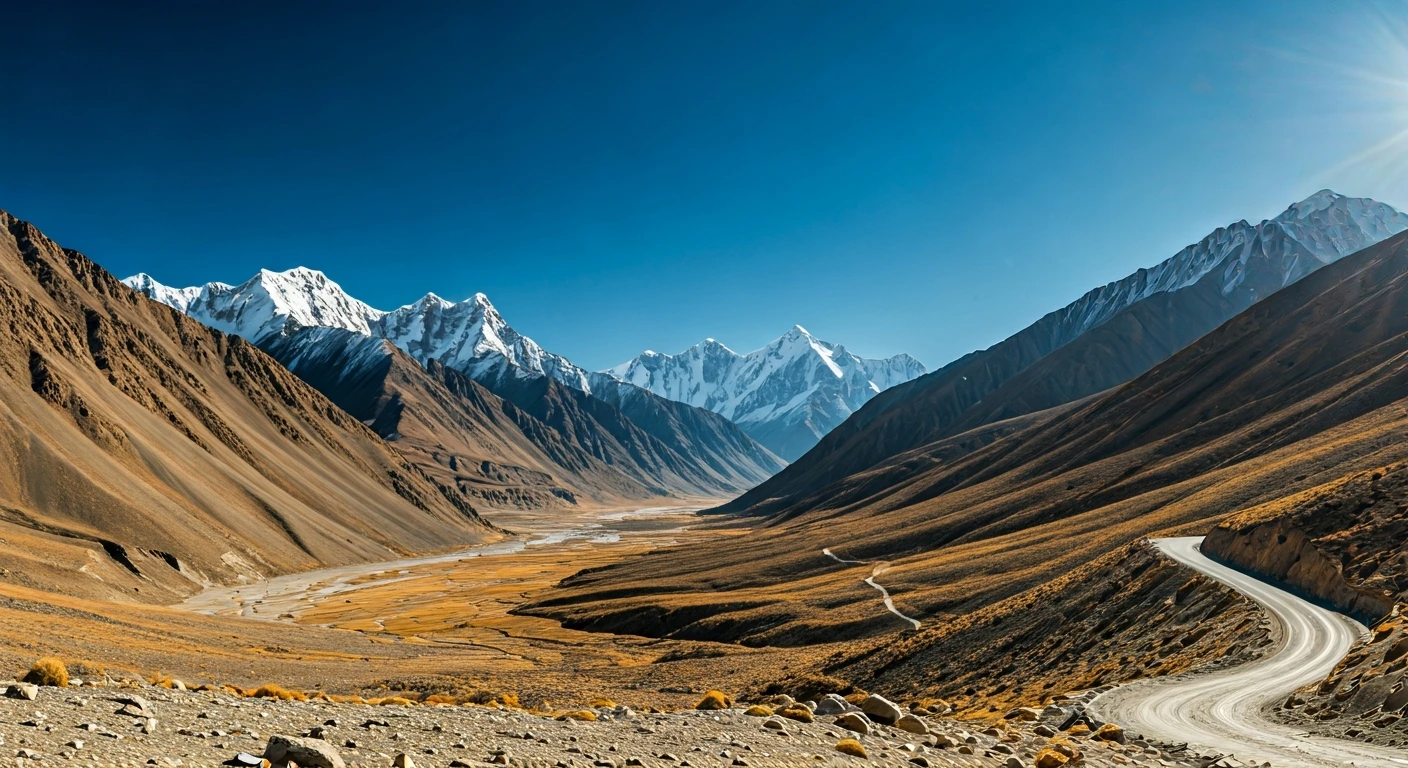
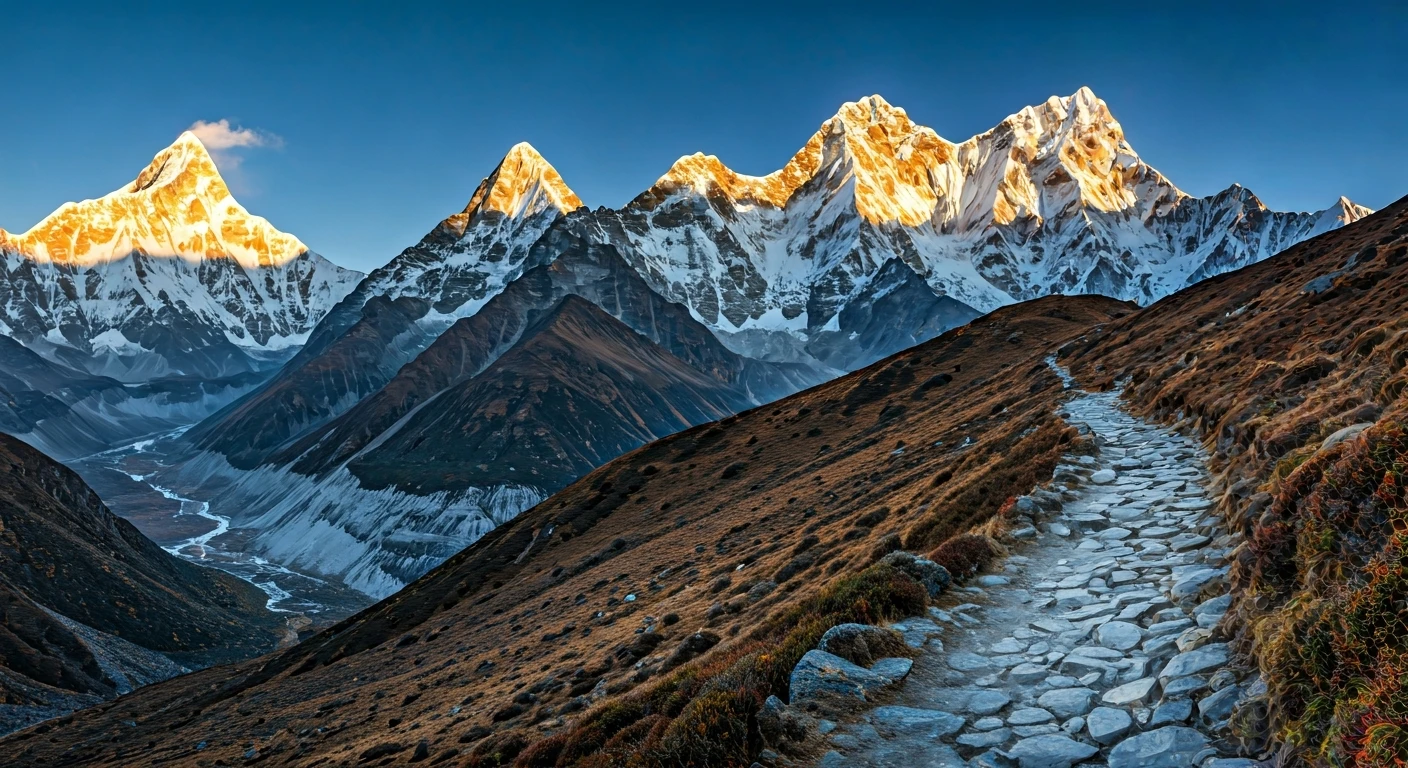
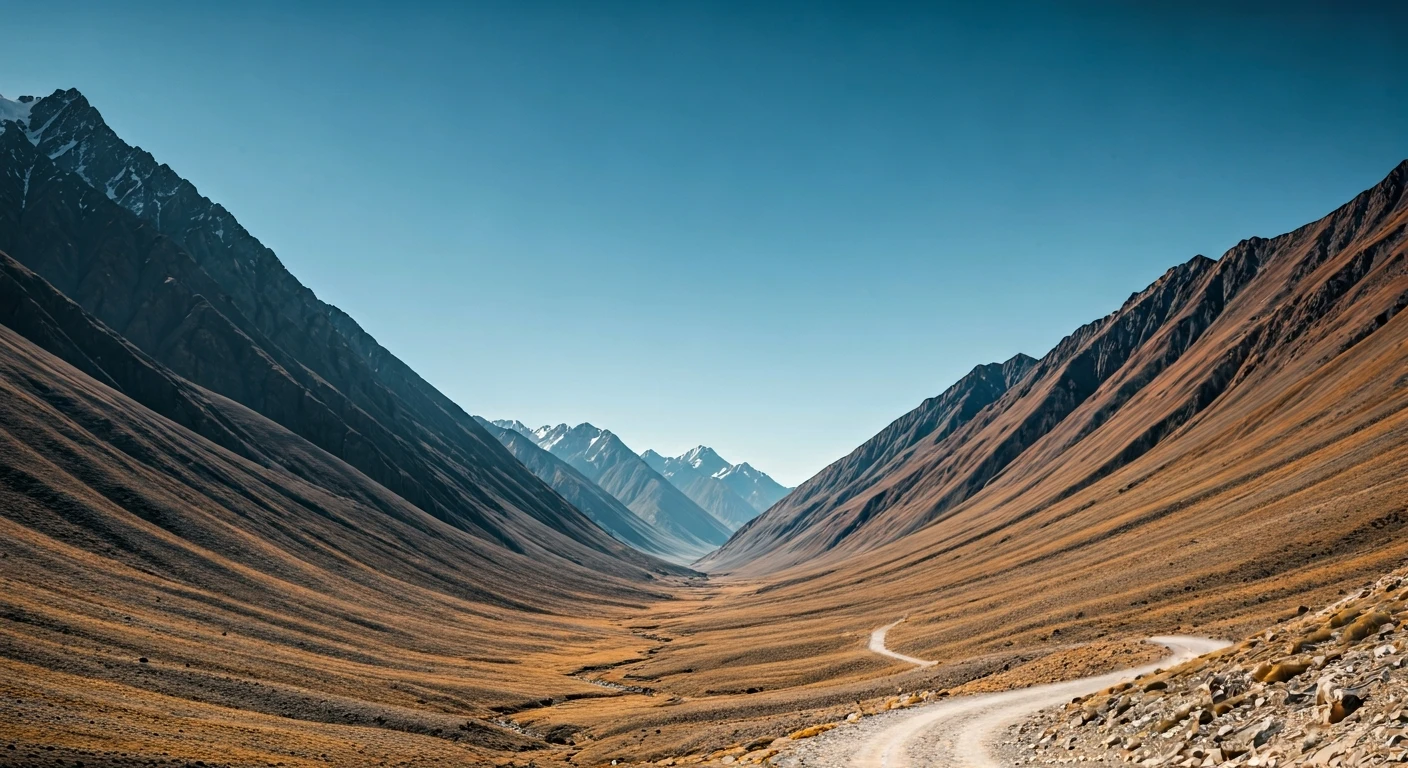
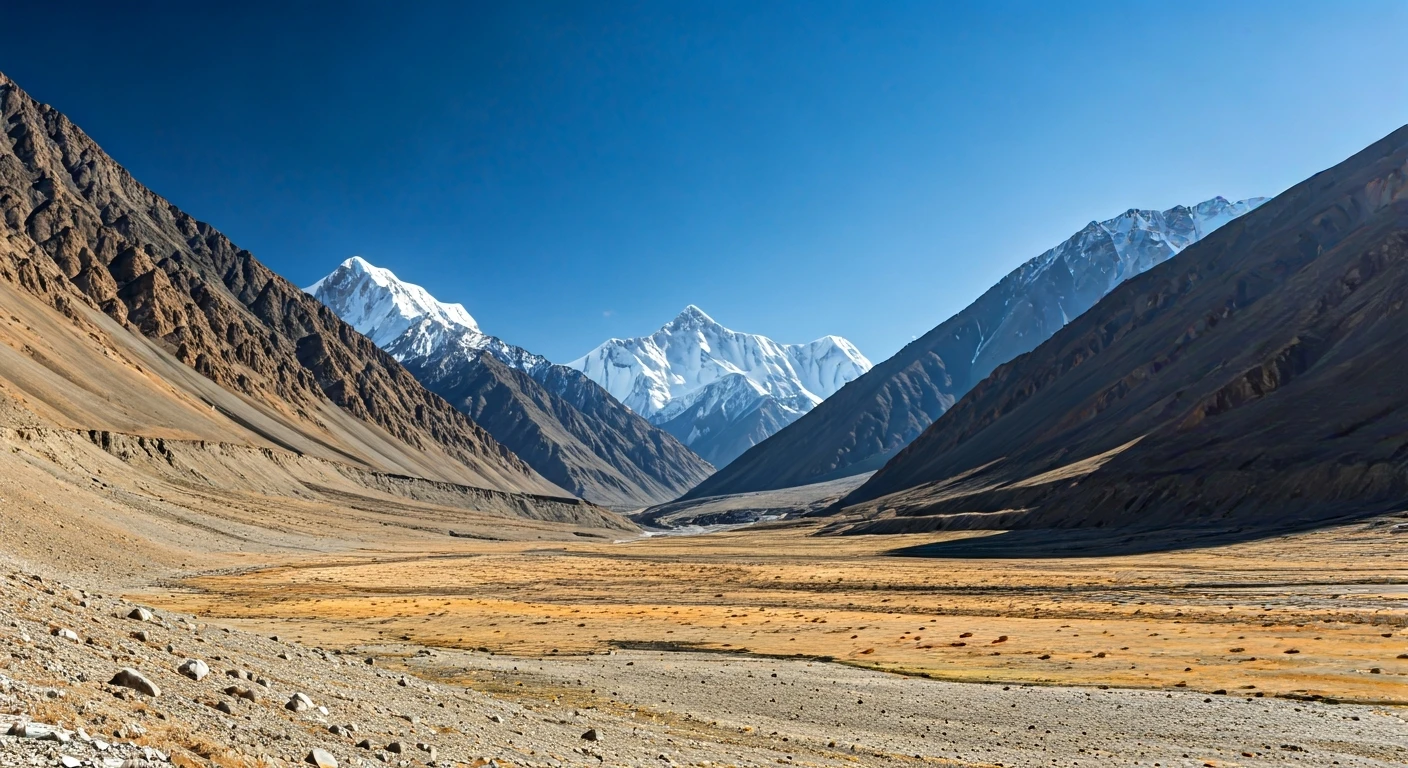
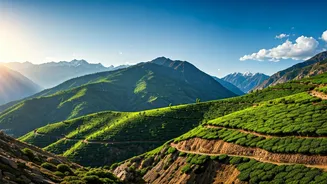
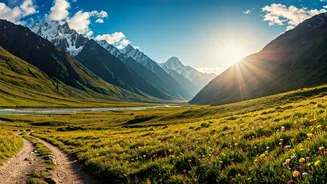
Before you can understand Chandratal, you must understand Spiti. Tucked into the far reaches of Himachal Pradesh in northern India, the Spiti Valley is a cold, high-altitude desert often called “Little Tibet.” It’s a world of stark, serrated peaks, ancient
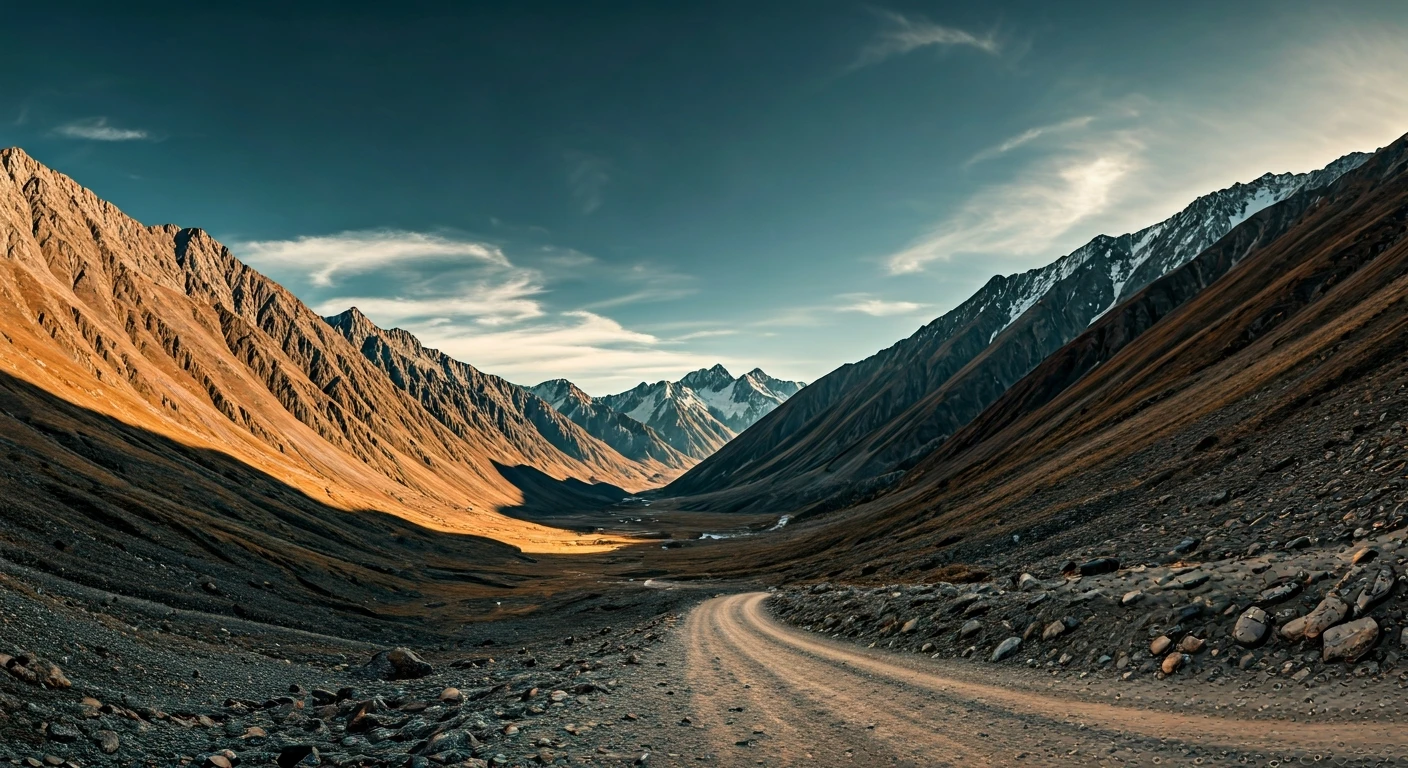
Buddhist monasteries clinging to cliff faces, and villages that seem frozen in time. For decades, this region was closed to outsiders, earning it a mystique that lingers today. Getting here requires navigating some of the world’s most treacherous roads, a multi-day journey that weeds out casual tourists and rewards those with a true spirit of adventure. The landscape is a humbling palette of browns and grays under an impossibly vast blue sky, a place that makes you feel both small and profoundly connected to the earth.
The Jewel: Chandratal Lake
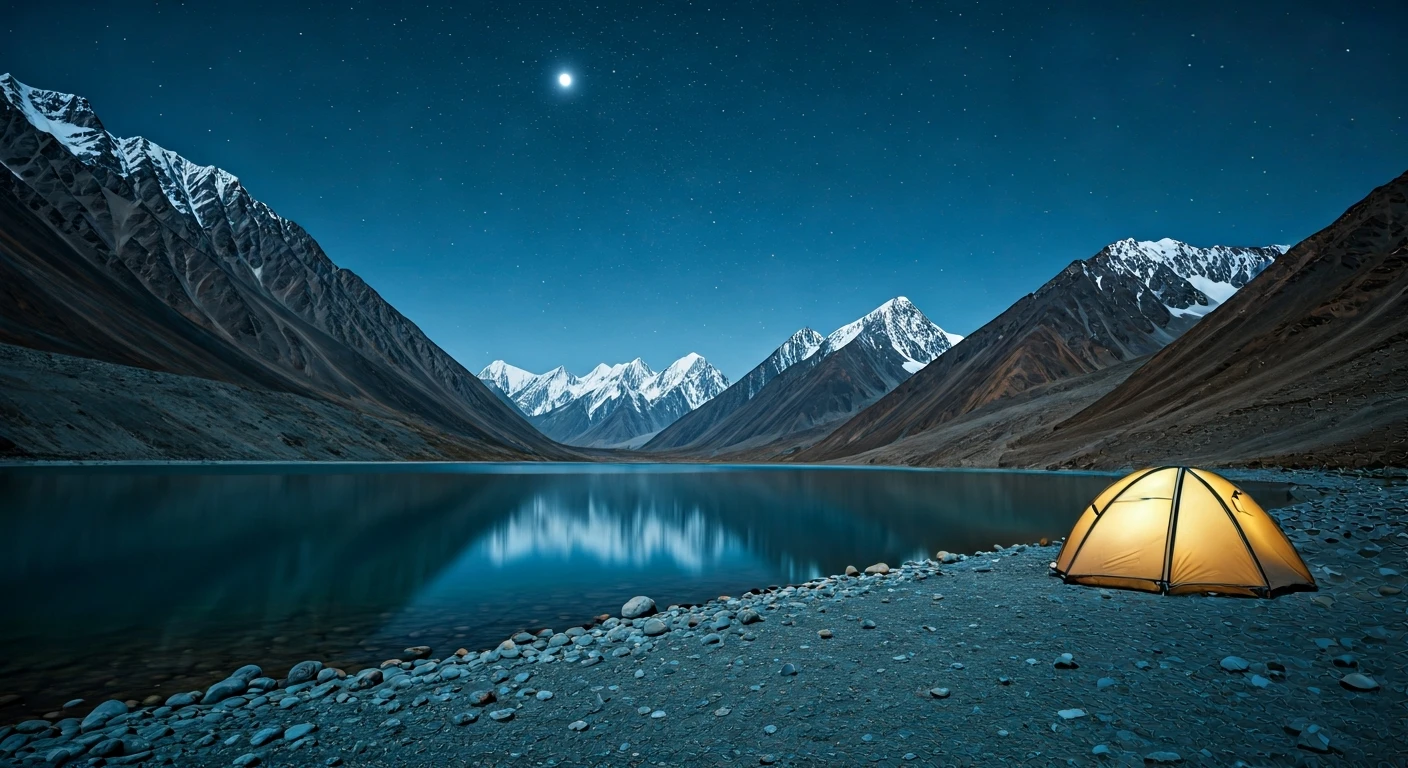
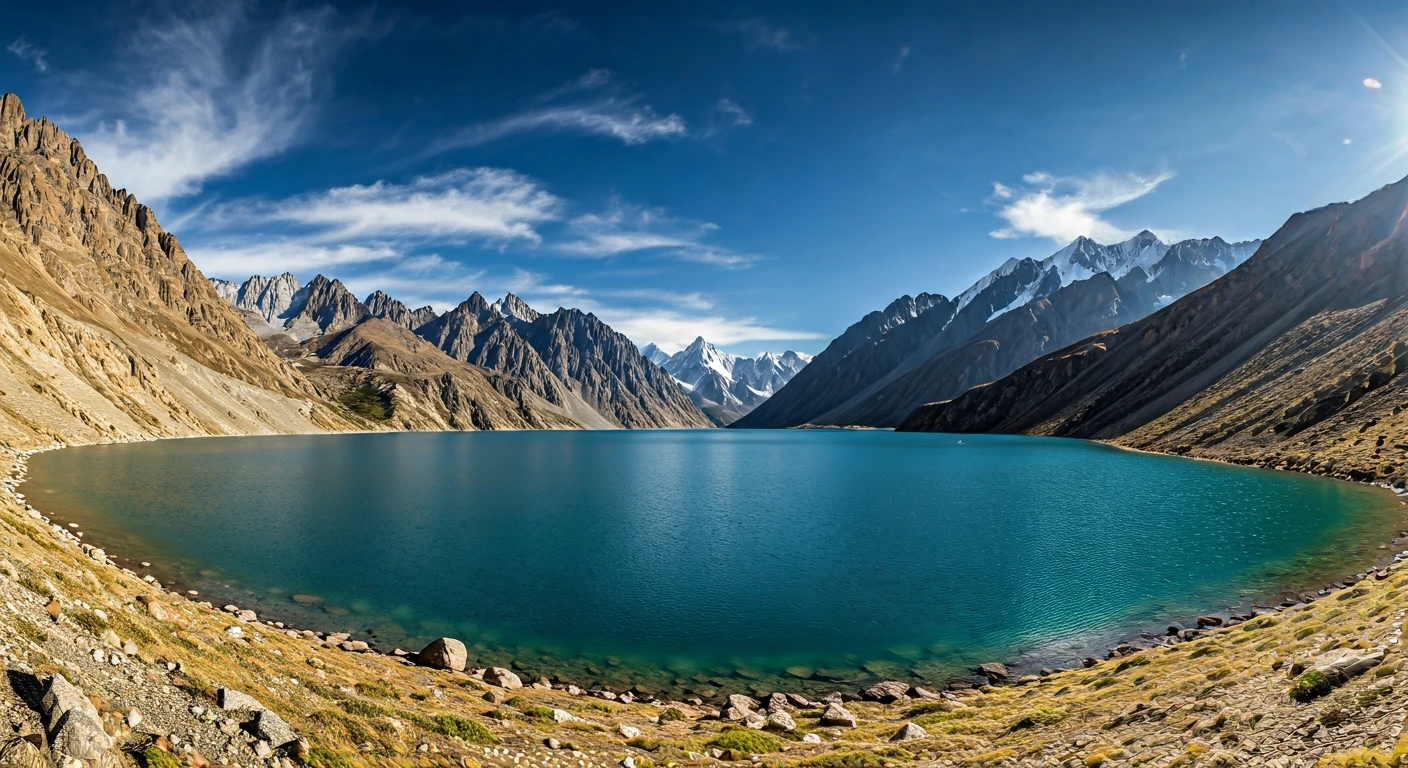
After days of traversing this rugged moonscape, you arrive at the valley’s crown jewel: Chandratal. Sitting at a breathtaking altitude of 14,100 feet, the lake’s name translates to “Lake of the Moon,” a nod to its crescent shape. But the name can’t prepare you for the reality. The water is a mesmerizing, almost unnatural shade of turquoise-blue that shifts with the angle of the sun. It’s surrounded by a wide, grassy floodplain and cradled by towering, snow-dusted mountains of the Chandra-Bhaga range. There are no boats, no shops, no permanent structures—just the pristine lake, the wind, and the sound of your own heartbeat in the thin mountain air. Local legends say the lake is the spot where a celestial fairy and a mortal shepherd fell in love, and it’s easy to see why this place inspires such tales.
The Unforgettable Camping Experience
While you can’t camp directly on the fragile banks of the lake, a cluster of seasonal campsites is set up a couple of miles away during the brief summer window (typically June through September). This is the experience that defines a trip to Chandratal. These are not luxury glamping sites; they are simple, sturdy tents providing essential shelter against the biting night winds. The magic isn’t in the amenities, but in the immersion. As dusk falls, the sky transforms. With zero light pollution, the Milky Way blazes across the heavens with a clarity you’ve likely never witnessed. It’s a profound, humbling spectacle. You’ll huddle around a simple dinner with fellow travelers, sharing stories of the arduous journey that brought you all to this spectacular, shared moment. It’s cold, basic, and utterly unforgettable.
The Journey Is the Destination
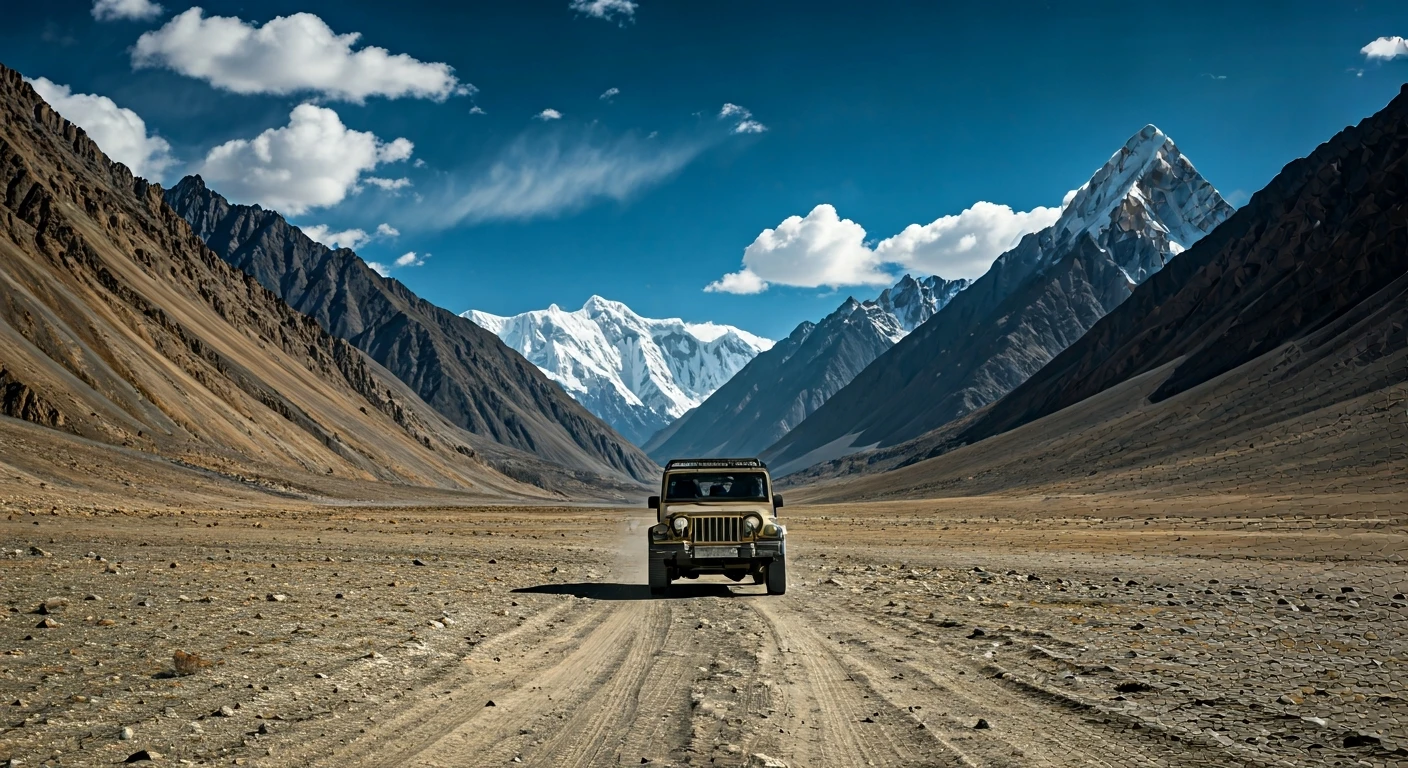
No article about Chandratal would be complete without a word on the journey. It is not easy. The most common routes—from Manali over the notorious Rohtang and Kunzum passes, or the longer route from Shimla through Kinnaur—are bone-jarring odysseys on narrow, unpaved roads. You’ll cross water crossings that are more like shallow rivers and navigate switchbacks that feel like they’re carved into the edge of the world. But this challenge is integral to the experience. The grueling drive makes the final arrival at the serene, placid lake that much more rewarding. It’s a rite of passage that connects you to the landscape in a way a simple flight never could. You don’t just visit Spiti and Chandratal; you earn them.
Know Before You Go
This is not a trip you book on a whim. The high altitude is a serious concern, and proper acclimatization is non-negotiable. Plan to spend several days at progressively higher altitudes (like in Kaza, Spiti’s main town) before heading to Chandratal to avoid acute mountain sickness. The travel window is short and dictated by snowfall that closes the high passes. You’ll need to hire an experienced local driver and a reliable 4x4 vehicle. Pack layers for temperatures that can swing from warm sun to freezing cold in minutes. And most importantly, come with a flexible mindset. In a land where nature is boss, plans can and do change.