






The Appeal of a Green Solution
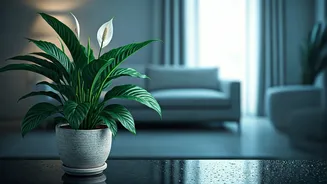
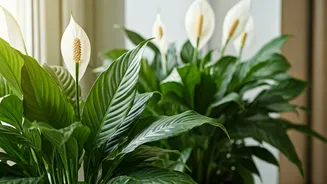
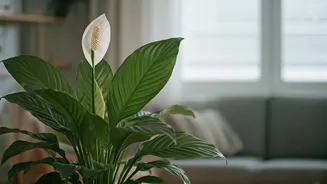
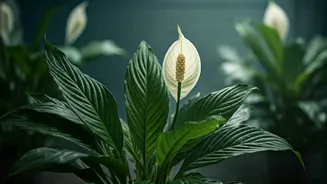
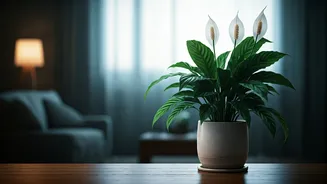
When the air feels thick enough to swim through and a musty smell clings to your clothes, the last thing you want is another noisy appliance. Enter the peace lily (Spathiphyllum). It’s an interior design darling with glossy, dark green leaves and iconic
white spathes that look like minimalist flowers. It’s also famously low-maintenance and tolerant of lower light. The idea is alluring: place a few of these elegant plants around your home and let nature silently scrub the air and soak up that oppressive dampness. It feels organic, quiet, and beautiful—a stark contrast to the whir of a plastic dehumidifier. This vision of a natural, self-regulating home environment is why the peace lily has become the poster child for solving humidity woes, but the reality is more nuanced.
The Humidity Question: Do Plants Dehumidify?
Here’s the part of the story that often gets left out: plants, including peace lilies, don't really dehumidify rooms. In fact, they do the opposite. Through a process called transpiration, plants release water vapor from their leaves into the atmosphere. It’s how they breathe and cool themselves. While they do absorb water through their roots, they release about 97% of it back into the air. So, adding more plants to a very humid room will, on a micro-level, slightly increase the ambient humidity rather than decrease it. The effect of a single peace lily is negligible, but a room full of plants is essentially a collection of tiny, all-natural humidifiers. A plant cannot defy the laws of botany to soak up significant amounts of atmospheric moisture.
What About the Famous NASA Study?
The peace lily’s reputation as an “air-purifying” powerhouse comes from the 1989 NASA Clean Air Study. The study found that certain houseplants could remove common volatile organic compounds (VOCs) like benzene and formaldehyde from the air. This is true. However, the context is crucial. The NASA experiments were conducted in small, airtight, sealed chambers—not your typical drafty American home with windows, doors, and central air. Subsequent research has shown that to replicate those results in an average-sized room, you would need a literal jungle. One study estimated you’d need more than 90 plants in a 12x12-foot room to achieve the same air-cleaning rate as simply opening a window or running a standard air ventilation system. While plants don't hurt, they are not a practical substitute for genuine air exchange or purification technology.
The Real Benefits in a Damp Space
So, should you banish your peace lily from the bathroom? Absolutely not. While it won't act as a dehumidifier, the peace lily is an excellent choice *for* a humid room because it thrives in those conditions. Unlike succulents that would rot in a week, peace lilies love the high moisture levels found in bathrooms or laundry rooms. They are native to tropical rainforest floors, so a humid American summer is a walk in the park for them. In a way, they are a great barometer for moisture. If your peace lily is developing brown, crispy leaf tips, your air is too dry. If its soil stays soggy and it develops root rot despite infrequent watering, your room may have a serious dampness issue that needs addressing. Beyond that, the primary benefit is aesthetic and psychological. A thriving green plant can make a stuffy, damp space feel infinitely more fresh, vibrant, and alive.
Smarter Ways to Fight Dampness
To truly combat the dampness brought on by seasonal humidity, you need to use tools designed for the job. The most effective solution is a dehumidifier, which is specifically engineered to pull gallons of water out of the air. For smaller, enclosed spaces like closets or cabinets, you can use renewable moisture absorbers containing silica gel crystals. Improving air circulation is also key; run ceiling fans or place a simple box fan in a window (facing out) to push humid air outside. Regularly run the exhaust fan in your bathroom during and after showers. Finally, check for the source of the dampness. Chronic mustiness could be a sign of a slow leak, poor insulation, or inadequate ventilation that needs a more permanent fix.