


The Ghost of Sofa Beds Past
Let’s be honest: the traditional pull-out couch was an instrument of discomfort. We’ve all been there, either as a host apologizing for the sleeping arrangements or as a guest trying to find a comfortable position on a wafer-thin mattress bisected by
a steel support bar. The old-school convertible sofa was a triumph of function over form, and even then, the function was questionable. It was a mediocre sofa and a terrible bed, a piece of furniture defined by its limitations. The metal frames were clunky and prone to breaking, the mattresses were flimsy afterthoughts, and the whole experience felt temporary and cheap. This long-standing reputation created a massive opportunity in the furniture market for something better.
Enter: The Memory Foam Revolution
The game-changer wasn't a new folding mechanism or a fancier frame; it was the mattress material itself. Memory foam, or viscoelastic foam, was famously developed by NASA in the 1960s to improve seat cushioning and crash protection for pilots. It wasn't commercialized for consumer use until decades later, first appearing in high-end mattresses. Its defining characteristic is its ability to respond to body heat and pressure, contouring precisely to the sleeper's shape. Unlike a traditional innerspring mattress that pushes back with uniform force, memory foam cradles the body, distributing weight evenly. When this technology was integrated into convertible sofas, it solved the core problem that had plagued them for years: the mattress was no longer an afterthought but a central feature.
Ergonomics Isn't Just for Office Chairs
The term “ergonomic” is key. It means the design is optimized for human well-being and efficiency. In a sofa, that applies to both sitting and sleeping. An ergonomic memory foam sofa provides superior support because it doesn't create pressure points. When you sit, it conforms to your posture. When you lie down, it promotes proper spinal alignment by allowing your shoulders and hips to sink in slightly while supporting your waist and lower back. This is a world away from the old pull-outs, where a metal bar would dig into your spine. For anyone who has woken up from a night on a traditional sofa bed with a stiff back, the difference is profound. It turns the convertible from an emergency sleeping solution into a legitimate guest bed.
The Ultimate Space-Saving Solution
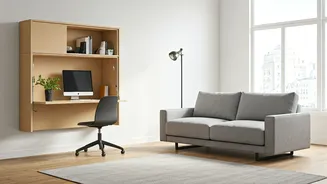
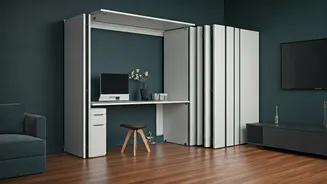
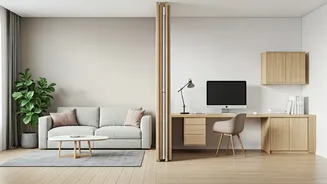
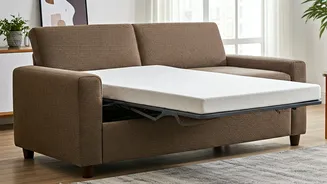
The rise of memory foam convertibles dovetails perfectly with modern living trends. As more Americans live in smaller urban apartments, condominiums, and multi-use spaces, every square foot counts. A piece of furniture that can flawlessly serve two purposes without compromise is incredibly valuable. Home offices double as guest rooms, and studio apartments need a living area that can comfortably transform into a bedroom. The new generation of convertible sofas meets this need head-on. They are engineered to be used daily as a primary sofa and can be converted into a comfortable bed in seconds, without the herculean effort required by older models. This dual-purpose excellence is why they are increasingly seen not as a compromise, but as a smart, strategic choice for maximizing a home's utility.
Style Finally Catches Up with Substance
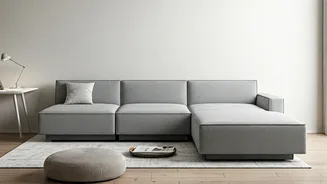
For a long time, you could spot a sofa bed from a mile away. They were often bulky, frumpy, and aesthetically clumsy, designed to hide the awkward internal mechanics. But the engineering improvements that came with memory foam—often involving simpler, platform-style conversions rather than complex folding frames—have allowed for much sleeker and more stylish designs. Today's memory foam convertibles look virtually indistinguishable from high-end, fixed-frame sofas. They come in a wide range of contemporary styles, from mid-century modern to minimalist, upholstered in quality fabrics. This aesthetic leap means homeowners no longer have to sacrifice style for function, solidifying the convertible sofa's place as a dominant force in the modern furniture market.