



From Exotic Buffet to Cozy Kitchen
For decades, the American experience with Indian food was often defined by the lunch buffet—an endless landscape of stainless-steel steam trays, fluorescent-lit dining rooms, and the pressure to try a bit of everything. It was delicious, yes, but often presented
as an exotic, monolithic cuisine. The marketing, if there was any, centered on novelty and value. But a quiet revolution has been happening in the grocery aisles and on our social media feeds. A new generation of Indian food brands is breaking away from that mold. Instead of simply selling 'Indian food,' they are selling a feeling. They've recognized that in a crowded marketplace, the most direct path to a customer’s shopping cart is through their heart. The narrative has shifted from the exotic and unfamiliar to the deeply personal and comforting.
Selling a Story, Not Just Samosas
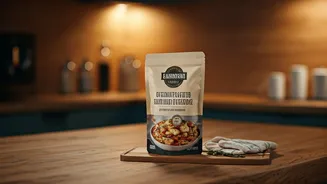
Walk down the frozen food aisle and look at a box from Deep Indian Kitchen. The branding is a masterclass in this emotional strategy. The company’s name itself, formerly Tandoor Chef, was changed to center the family story of the Dipsinh family (thus, “Deep”). Their packaging and website are filled with images of family members, stories of multi-generational recipes, and the tagline: “We are a family who loves to share our food.” They aren’t just selling you Chicken Tikka Masala; they are inviting you into their home and offering you a plate made with love. The craving they target isn't just for curry, but for connection. Similarly, Maya Kaimal’s line of sauces and everyday dals positions itself not as a shortcut, but as a way to create a wholesome, home-cooked meal. The branding emphasizes fresh, vibrant ingredients and the legacy of the founder's own family recipes. The promise isn't just convenience; it's the feeling of accomplishment and care that comes from cooking a nourishing meal for yourself or your loved ones, even on a busy weeknight. This is marketing that understands modern American life, where time is short but the desire for authentic, soulful food is strong.
The Comfort of High-Quality Convenience
This emotional appeal is perfectly timed. The quality of ready-to-eat and frozen foods has soared, shedding the stigma of being a bland, last-resort option. As consumers, we've become more discerning, demanding convenience without compromising on flavor or quality. Indian food, with its complex, slow-simmered sauces and layered spices, is uniquely suited to this new reality. It’s a cuisine that often requires significant time and skill to prepare from scratch, making a high-quality ready-made version an incredibly attractive proposition. By framing these convenient products within a narrative of family, tradition, and comfort, brands give us permission to feel good about our choice. It’s not a lazy dinner; it’s a taste of home. It’s not just a microwaved meal; it’s a recipe passed down through generations. This reframing is crucial. It elevates the product from a simple commodity to a small, accessible luxury that provides emotional satisfaction as much as it does physical sustenance.
From 'Ethnic Aisle' to Everyday Staple
Ultimately, this shift in marketing signals a powerful cultural milestone. Indian food is no longer being sold as a culinary expedition for the adventurous. It’s being sold as American comfort food. It sits alongside pasta sauce that promises a taste of an Italian nonna’s kitchen or a soup brand that evokes feelings of a cozy sick day at home. The success of this strategy proves that Indian cuisine has firmly planted its roots in the mainstream American palate. The target audience is no longer just Indian immigrants seeking a taste of home or foodies chasing authenticity. It’s everyone. It’s the college student who needs a quick, flavorful meal; the busy parent trying to put something wholesome on the table; the person living alone who craves a warm, comforting dinner without the effort. The feelings being marketed—nostalgia, love, comfort, care—are universal. By tapping into them, these brands are ensuring that the craving for Indian food is about more than just what's on the plate.