








More Than Just Muscle
The traditional image of protein consumption is a distinctly masculine one, centered on building muscle mass above all else. Think Arnold Schwarzenegger in the ‘70s or the rise of CrossFit in the 2000s. The goal was simple: get big, get strong. But for
a generation that prizes holistic wellness over brute force, that narrative feels outdated. Gen Z’s approach is less about bulking up and more about fueling a balanced lifestyle. Protein is seen as a crucial component of overall health—supporting energy levels, cognitive function, and satiety—rather than just a ticket to a bigger bicep. This shift reframes protein from a niche gym supplement into a mainstream wellness ingredient, sought by all genders for a wider variety of benefits. Brands are taking note, marketing protein powders with adaptogens for stress relief or formulating bars that emphasize “clean” ingredients and gut health.
The Plant-Based Default
Perhaps the most significant driver of this ethical shift is Gen Z’s enthusiastic embrace of plant-based diets. While older generations may have viewed vegetarianism as a fringe lifestyle, for many under 25, it’s simply a normal way of eating. Market research consistently shows that Gen Z consumers are far more likely to identify as flexitarian, consciously reducing their meat intake for environmental, ethical, and health reasons. According to a 2023 report from the Food Institute, a staggering 79% of Gen Zers are opting for meatless meals at least once or twice a week. This isn't a passive choice; it's an active statement. For them, choosing a chickpea-based pasta, a pea-protein shake, or a tofu scramble is a vote for a food system they believe is better for the planet and its inhabitants. The animal-derived protein is no longer the default star of the plate; it’s just one option among many.
Scrutinizing the Supply Chain
Even when Gen Z does consume animal products, their ethical considerations don’t disappear. This is a generation raised with unprecedented access to information, and they use it to scrutinize the labels on their food. Vague terms like “natural” are no longer enough. They want to know where their chicken came from, whether the cows were grass-fed, and if the fish was sustainably caught. This demand for transparency is pushing the entire food industry to be more accountable. The 'ethical' in Gen Z's protein culture extends beyond the binary of plant vs. animal. It’s about the *how*. A conventionally raised chicken breast from a factory farm is viewed very differently from eggs sourced from a local, pasture-raising farm. This nuance reflects a deeper understanding that sustainability and animal welfare are complex issues that require more than just switching to almond milk.
From the Gym Bro to the TikTok Influencer
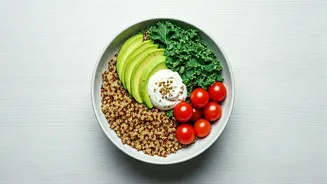
This new protein culture isn't being spread through bodybuilding forums; it's happening on TikTok and Instagram. The new evangelists are not muscle-bound men, but wellness influencers showcasing their “what I eat in a day” videos, which often feature aesthetically pleasing plant-based meals, detailed discussions of supplement ingredients, and eco-conscious grocery hauls. These platforms have democratized food knowledge, allowing trends like high-protein cottage cheese bowls or vegan “egg” scrambles to go viral overnight. The visual, bite-sized format is perfect for communicating complex ideas—like the carbon footprint of beef versus lentils—in a way that feels accessible and immediate. Social media has effectively created a new playbook for protein, one where transparency, sustainability, and vibrant, plant-forward aesthetics are the keys to winning over the next generation of consumers.