






What Exactly Is a Sound Bath?
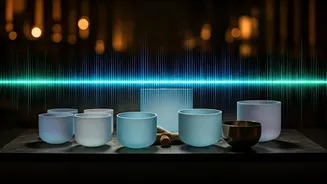
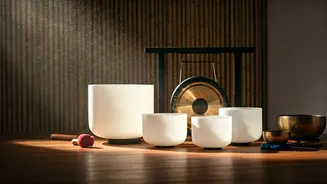
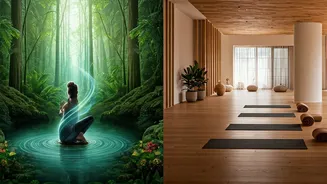
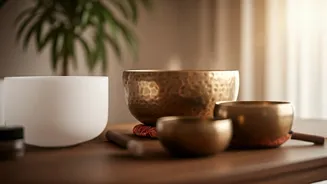
Forget bubble baths. A sound bath is a meditative experience where you are “bathed” in sound waves. Participants typically lie on mats with pillows and blankets while a practitioner uses instruments to create a soundscape. The stars of the show are often
quartz crystal bowls, large gongs, and Tibetan singing bowls, but you might also hear chimes, tuning forks, or even a human voice chanting. The goal isn’t to create a catchy melody; it's about generating sustained, overlapping frequencies and vibrations. Proponents believe these sonic vibrations can help quiet the mind, reduce anxiety, and guide the body into a state of deep relaxation, similar to profound meditation but often more accessible for beginners who find it hard to sit in silence.
From Ancient Roots to Modern Trend
Using sound for therapeutic purposes is hardly new. Indigenous cultures across the world have used chanting and drumming in rituals for millennia, and ancient Greek physicians used musical instruments to aid in healing. The modern sound bath, however, is a uniquely 21st-century phenomenon, repackaging these ancient concepts for a burned-out, digitally saturated audience. Its surge in popularity coincides with the broader boom in mindfulness, meditation apps, and the collective search for ways to manage stress. After years of being told to hustle harder, many Americans are now seeking permission to simply rest. A sound bath offers a structured, guilt-free hour dedicated to nothing but passive relaxation—no effort required.
The In-Studio Experience
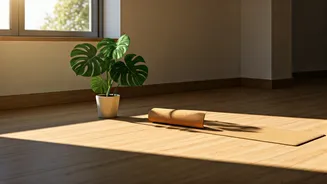
Walking into a sound bath for the first time can feel like preparing for a group nap. The lights are dim, the mood is serene, and people are quietly setting up their personal nests of yoga mats, bolsters, and eye pillows. Once everyone is settled, the practitioner will typically begin with a brief introduction or guided breathing exercise. Then, the sound begins. It might start subtly with a gentle chime, then build as the practitioner strikes a large gong, creating a powerful wave of sound that you feel in your chest. The frosted crystal bowls produce pure, ethereal tones that seem to hang in the air. The experience is deeply personal; some people feel profound calm, others feel an emotional release, and many simply drift into a half-sleep state, waking up an hour later feeling refreshed and mentally clear.
The Science and the Skepticism
So, does it actually work? The answer is complex. On one hand, the wellness industry is full of grand, unproven claims, and sound healing is no exception. Talk of “re-tuning your cells” or “clearing energetic blockages” remains firmly in the realm of spirituality, not science. However, there is a growing body of research on the physiological effects of sound. We know that slow, calming music can lower heart rate and cortisol levels. Studies have also shown that certain binaural beats—different frequencies played in each ear—can influence brainwave patterns, encouraging states of relaxation or focus. For most people, the primary benefit of a sound bath is its ability to trigger the parasympathetic nervous system, our body's “rest and digest” mode. Whether that’s due to mystical vibrations or simply the act of lying still in a dark room with soothing sounds for an hour is, for many, beside the point. The relaxation is real.