

The Undeniable Financial Perks
Let’s start with the most obvious benefit: the savings. Traveling during the shoulder season (the weeks just before or after the peak) or the true off-season can drastically reduce the cost of your trip. Airlines and hotels operate on supply and demand.
When demand plummets, so do prices. This isn't about finding a rare deal; it's about tapping into a fundamental market reality. A flight to Europe in February can be hundreds of dollars cheaper than the same seat in July. A five-star hotel in a popular beach destination might offer rates in September that are unthinkable in March. This financial freedom doesn't just mean a cheaper trip; it means your budget can stretch further. You can afford a longer stay, a nicer hotel, a bucket-list meal, or more unique local tours—all because you chose to visit when everyone else is at home.
The Luxury of Solitude
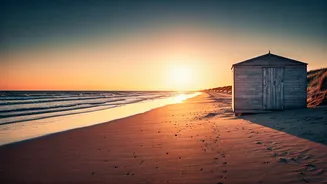
Imagine wandering through the Roman Forum at dusk with only a handful of other people. Picture having a stretch of a world-famous beach almost to yourself. This is the reality of off-season travel. The “better” in the headline isn't just about money; it’s about the quality of your experience. Peak season often means long lines, crowded museums, and a constant battle for a clear photo. You spend more time waiting and navigating throngs of people than actually soaking in the destination. In the off-season, that stress evaporates. The pace slows down. You can linger in front of a masterpiece without being jostled, find a quiet corner in a historic café, and hear the sounds of the city itself rather than the chatter of a thousand other tourists. It's a more mindful, personal, and profoundly more relaxing way to see the world.
A More Authentic Local Connection
When a town is overrun with seasonal visitors, the dynamic changes. Locals are often working at a frantic pace, and the entire service industry is in high-gear “tourist mode.” It can be efficient, but it’s rarely personal. Visit that same town in the off-season, and you’ll find a completely different atmosphere. The barista has time to chat about the best local coffee. The shopkeeper might share a story about a particular artisan. You’re no longer just one face in a massive crowd; you’re a visitor. This shift allows for more genuine interactions and a deeper connection to the place. You get to see the town as its residents do, frequenting the same cozy pubs and markets they enjoy when the summer rush has subsided. It’s the difference between observing a culture from the outside and getting a small, authentic peek inside.
Discovering Unexpected Beauty
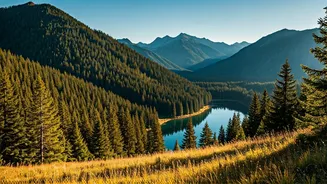
Many destinations are marketed with a single, sun-drenched image, but their beauty is not one-dimensional. The off-season often reveals a different, sometimes more dramatic, side of a place’s character. A New England coastal town, famous for its summer sailing, can be stunningly stark and beautiful under a blanket of winter snow. The rolling hills of Tuscany, typically seen in green and gold, take on a moody, misty allure in late autumn. National Parks like Zion or the Grand Canyon, often experienced under a blazing summer sun, are transformed by the soft light and cooler temperatures of spring and fall, with changing leaves or blooming desert flowers creating an entirely new landscape. Traveling off-peak isn't about settling for worse weather; it’s about discovering a different kind of beauty that most visitors miss entirely.
The Freedom of Flexibility
Planning a peak-season trip often requires military-like precision. Flights, top-rated hotels, and popular tours need to be booked months, sometimes even a year, in advance. This locks you into a rigid itinerary with little room for spontaneity. Off-season travel, however, brings back a sense of freedom. With less competition for everything, you have the luxury of being more flexible. You can book a last-minute weekend away without breaking the bank. You can decide on the day’s activities based on your mood rather than a pre-purchased, non-refundable ticket. This flexibility makes travel feel more like an adventure and less like a checklist, allowing you to follow a whim, stay an extra day if you fall in love with a place, or change your plans on a dime.