





The End of the Cardio Era
For decades, the peak of aspirational fitness, especially for women, was tied to being smaller. The goal was to shrink. Gyms were dominated by rows of treadmills and ellipticals, machines designed for endurance and calorie burn. Weight rooms were often
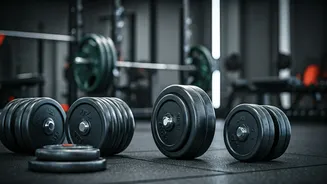
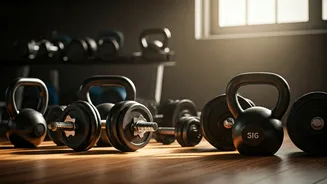
seen as male-dominated spaces, shrouded in myths that lifting heavy would make women “bulky.” The prevailing wisdom was that hours of cardio were the price of admission for a socially acceptable physique. But a quiet revolution has been building. The conversation has pivoted from burning calories to building capacity. Influencers and everyday gym-goers alike are trading long, monotonous cardio sessions for barbells, kettlebells, and dumbbells. The new ideal isn't about fitting into a smaller size; it's about the power your body can generate. This marks a profound departure from a culture that long praised fragility, celebrating instead the visible and functional results of getting strong.
It’s About Control, Not Just Looks
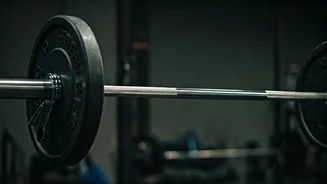
So why the change? Part of the appeal lies in the psychological payoff. In a world that often feels chaotic and uncertain, the gym provides a controlled environment where effort directly translates to results. You can’t buy a new deadlift personal record; you have to earn it through discipline, consistency, and grit. Each added plate on the barbell is a tangible, undeniable measure of progress. This process builds more than muscle; it cultivates mental fortitude. Pushing through the discomfort of a final rep teaches resilience. Successfully lifting a weight you once thought impossible rewires your perception of your own limits, both inside and outside the gym. For many, strength training becomes a form of active meditation, a space where the noise of daily life fades and the only thing that matters is the focused effort of the lift. It’s an empowering feeling of self-mastery that a spin class, for all its benefits, doesn't always replicate in the same way.
The Social Proof Is in the Barbell
Of course, a “flex” requires an audience, and social media has been the perfect amplifier for this trend. But the nature of the fitness post has evolved. The static, posed mirror selfie is being replaced by the dynamic, unglamorous video of a heavy lift. The grunt, the struggle, and the triumphant finish are all part of the performance. This form of social proof is fundamentally different from showing off a luxury good. It’s a display of earned capital, not financial capital. It says, “Look what my hard work and dedication built.” It showcases a commitment to self-improvement that resonates deeply in a wellness-obsessed culture. Sharing these milestones creates community and accountability, but it also functions as a modern-day status update, signaling discipline, health, and power to one's social circle. It's a way to be seen as not just having a good body, but having a capable one.
The Flex That Lasts a Lifetime
Perhaps the most significant aspect of this trend is its focus on longevity. Unlike aesthetic fads that come and go, strength training is a foundation for lifelong health. The benefits are practical and profound: increased bone density, improved metabolism, better joint stability, and enhanced functional movement. Being strong means being able to carry your groceries, lift your kids, and move through the world with confidence and independence as you age. This reframes the entire purpose of exercise. It’s not a short-term project to look good for an event, but a long-term investment in your future self. The “flex,” then, becomes twofold. It’s the immediate satisfaction of lifting heavy today, and it’s the quiet confidence of knowing you’re building a body that will serve you well for decades to come. It’s a move away from purely ornamental fitness toward something far more functional, sustainable, and, ultimately, more powerful.