






The Unique Misery of Wet Jeans
There are many kinds of discomfort in the world, but the specific misery of wet jeans is in a class of its own. It’s a multi-sensory assault. First, there’s the weight. A pair of dry jeans might weigh a pound or two; soaked, they feel like you’re wearing
anchors on your legs. The fabric, once a comfortable and rugged companion, turns into a cold, abrasive sheet of denim plaster. It chafes. It restricts movement, turning a simple walk into a shuffling ordeal. The pockets, full of soggy receipts and a surprisingly heavy phone, become useless swamps. And the chill—a deep, bone-seeping cold that no amount of hopeful sunshine seems to fix—settles in for the long haul. You spend the rest of the day in a damp, clammy state of regret, counting the hours until you can finally peel them off.
Cotton’s Water Problem
The culprit behind this sartorial nightmare is the very thing that makes jeans so beloved: cotton. Cotton fibers are hydrophilic, which is a fancy way of saying they love water. Each fiber acts like a microscopic sponge, absorbing and holding onto moisture with incredible tenacity. In fact, cotton can absorb up to 27 times its own weight in water. While this makes for a great bath towel, it’s a disastrous quality for clothing you might get wet in. Once saturated, cotton loses nearly all its insulating properties. The water trapped against your skin actively pulls heat away from your body, which is why you feel so cold. This is the reason experienced hikers have a grim saying: “Cotton kills.” While a damp pair of Levi’s isn’t likely to be fatal on a city street, the principle is the same. The fabric is working against you, holding the cold and dampness right where you don’t want it.
The Synthetic Solution
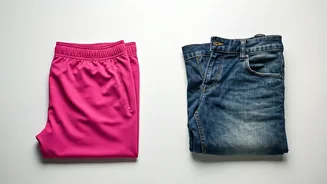
Enter the hero of our story: modern quick-dry clothing. These garments are typically made from synthetic fibers like polyester or nylon, which are hydrophobic. They don’t love water; they repel it. Instead of absorbing moisture, these fabrics allow water to sit on their surface or within the weave, but not within the fibers themselves. This has two huge advantages. First, they don’t get heavy and waterlogged. Second, and more importantly, they enable rapid evaporation. The fabric’s structure is designed to “wick” moisture away from your skin and spread it across a wider surface area, where airflow can dry it in a fraction of the time it takes cotton. A pair of quick-dry hiking pants might feel damp for ten minutes after a rain shower and be bone-dry in an hour. Your jeans would still be squelching the next morning.
Beyond the Hiking Trail
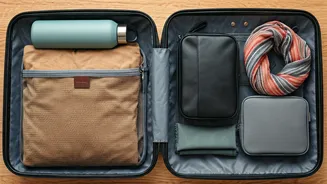
This isn't just an argument for mountaineers. The superiority of quick-dry fabric applies to countless everyday situations. For travelers, a single pair of quick-dry pants can be washed in a hotel sink and be ready to wear by morning, saving precious luggage space. For parents, they’re a godsend for trips to the splash pad or beach. For city commuters, they mean a sudden downpour doesn’t have to ruin your entire workday. In recent years, brands have gotten incredibly good at making these technical fabrics look and feel like normal clothing. You can now find quick-dry pants that have the cut, style, and texture of a classic five-pocket jean or a sharp pair of chinos. You get all the performance benefits without looking like you just stepped off the Appalachian Trail. It’s the best of both worlds: style that’s ready for anything, and comfort that doesn’t quit when the weather turns.