

The Indoor Blues
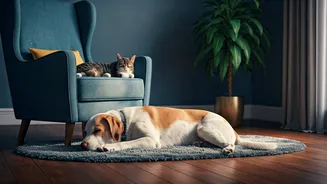
While 'pet depression' isn't a formal clinical diagnosis in the same way it is for humans, veterinary behaviorists recognize that pets can absolutely suffer from depressive-like symptoms. These often stem from chronic boredom, anxiety, and a profound
lack of stimulation. In a sterile apartment, a dog or cat may sleep excessively, lose interest in play, over-groom, or exhibit destructive behaviors. This isn't a sign of a 'bad' pet; it's often a cry for a richer, more varied environment. Urban pets, particularly those in small spaces without easy access to parks, are especially vulnerable to this sensory deprivation. Their world can become a monotonous loop of the same sights, sounds, and smells, day after day.
The Power of Sensory Enrichment
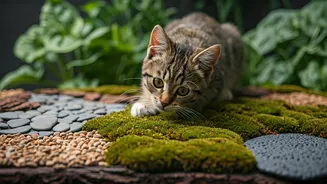
The key to alleviating these symptoms is 'sensory enrichment.' This is the concept of introducing new and interesting stimuli to an animal's environment to engage their natural instincts. For a dog, whose primary sense is smell, this means new odors to investigate. For a cat, it might be the rustle of leaves, the texture of soil under their paws, or the sight of a passing insect. Enrichment provides mental exercise, staves off boredom, and builds confidence. Think of it as a workout for the brain. A stimulated pet is a happier, healthier, and better-behaved pet. It allows them to express behaviors that are core to their species—like sniffing, stalking, and exploring—in a safe and controlled way.
The Garden as a Sensory Gym
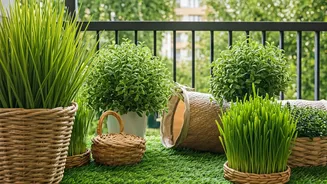
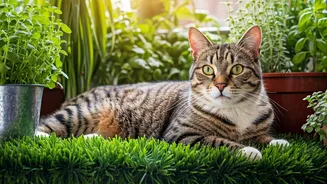
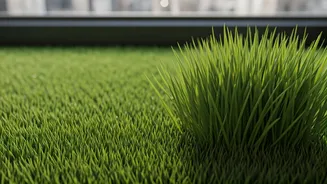
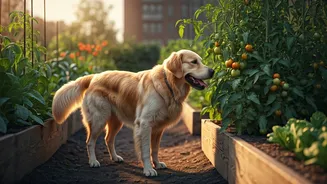
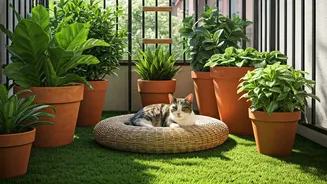
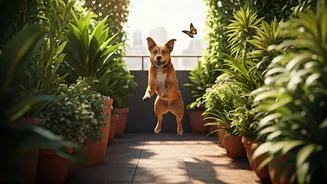
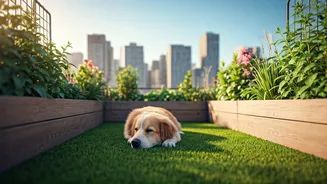
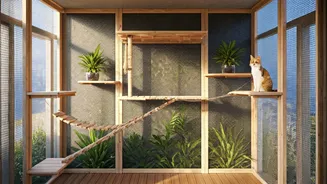
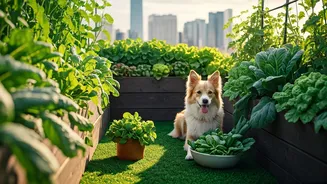
This is where a rooftop garden becomes a game-changer. It’s a concentrated dose of sensory enrichment. A simple planter box of catnip or a pot of rosemary offers a world of new smells for a cat or dog to explore. The damp earth has a complex scent profile all its own. The sight of fluttering leaves, buzzing bees, or a ladybug crawling on a stem provides endless visual tracking opportunities, tapping into a cat's predatory instincts. For a dog, the opportunity to feel a soft patch of grass or sniff soil is a welcome break from tile and concrete. This small patch of nature re-engages their senses, breaking the monotony of indoor life and providing a vital connection to the natural world they've been separated from.
More Than Just for the Pet
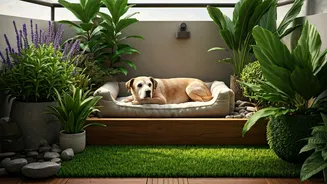
The benefits aren't one-sided. Tending to a rooftop garden is a well-known stress reducer for humans. The act of caring for plants connects us to a natural rhythm and provides a sense of purpose. When this activity is shared with a pet, the bond deepens. Watering the plants can become a shared morning ritual. Sitting quietly among the planters with a cat purring on your lap or a dog resting at your feet creates a peaceful, shared space away from the noise of the city. It transforms an empty, utilitarian rooftop into a sanctuary for both of you, fostering a calmer household and strengthening the human-animal connection that is so crucial for mutual well-being.
Creating a Pet-Safe Oasis
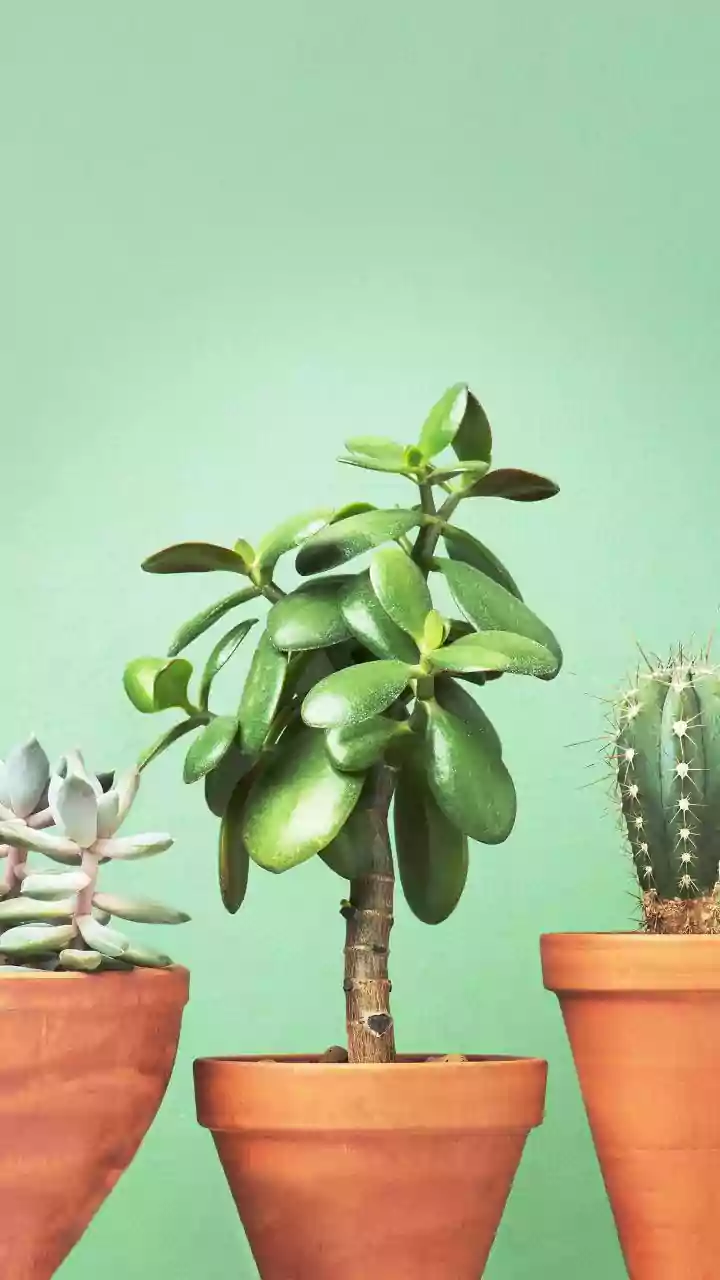
Before you turn your roof into a pet paradise, safety is paramount. First, ensure all plants are non-toxic to cats and dogs. The ASPCA maintains an extensive, searchable list of toxic and non-toxic plants. Common culprits to avoid include lilies, tulips, and oleander. Safe options include catnip, wheatgrass, basil, and rosemary. Second, secure the space. If your rooftop has a low ledge, it must be properly fenced or netted to prevent any risk of falling. Ensure planters are stable and won't tip over. Finally, avoid using pesticides, herbicides, or fertilizers that could be harmful if ingested. A beautiful garden is only a benefit if it’s a completely safe environment for your four-legged family member.