






Beyond Traditional Vegetarianism
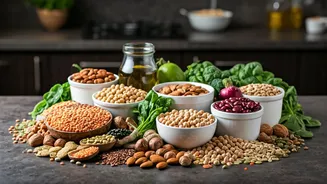
India has long been a global leader in vegetarianism, a practice deeply woven into the country's religious and cultural fabric. For centuries, diets have centered on lentils (dal), chickpeas, and fresh cheese (paneer). But the new movement isn't just
about sticking to tradition. It’s a conscious, modern choice driven by the same forces shaping wellness culture in the West: health, environmental sustainability, and animal welfare. For urban Indian millennials and Gen Z, being plant-based is less about religious doctrine and more about a globalized identity. They’re scrolling through Instagram, following fitness influencers, and absorbing information about the carbon footprint of food. This has created a demand not just for the vegetarian food their parents ate, but for a new category of products that meet modern nutritional and ethical standards.
The Protein-Deficiency Paradox
Herein lies a paradox: in a country that is the world's largest producer of pulses, many traditional diets are surprisingly low in protein. A meal of rice and dal, while comforting and ubiquitous, is often carb-heavy. This has led to what some nutritionists call a nationwide “protein deficiency,” where people consume enough calories but lack sufficient protein for muscle development and overall health. Young, health-conscious Indians are acutely aware of this. They are hitting the gym, tracking their macros, and actively seeking out protein-dense foods. This shift has cracked open a massive market opportunity. The conversation is no longer just about being vegetarian; it’s about being strong, fit, and properly nourished. Plant-based brands are capitalizing on this by explicitly marketing their products as high-protein alternatives to both traditional vegetarian fare and conventional meat.
A Market Primed for Explosion
This surging demand has turned India into one of the world's most exciting markets for food innovation. According to the Good Food Institute India, the country’s plant-based sector is poised for explosive growth. It’s a landscape buzzing with activity, from homegrown startups to international giants. Local players like Blue Tribe Foods, Shaka Harry, and GoodDot are gaining traction with products tailored to the Indian palate, such as plant-based chicken tikkas and mutton kebabs. At the same time, major Indian conglomerates like Tata and ITC are pouring millions into developing their own plant-based lines, signaling a serious long-term commitment. For American companies and investors, this is a clear signal. A country of 1.4 billion people, with a rapidly growing middle class and a pre-existing cultural affinity for plant-based diets, represents a commercial opportunity of staggering proportions. It’s a market where the right product could achieve a scale unimaginable in the West.
Not Your Father's Soya Chunks
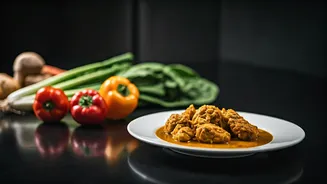
Forget the bland, chewy soya chunks of the past. The new wave of Indian plant-based protein is a triumph of food science. Using advanced technology, companies are creating hyper-realistic analogues of chicken, mutton, and even seafood. These products are designed to mimic the exact texture, taste, and cooking experience of their animal-based counterparts, making them appealing not only to lifelong vegetarians but also to the growing number of “flexitarians” who want to reduce their meat consumption without sacrificing flavor. This focus on sensory experience is crucial. It allows people to enjoy their favorite traditional non-vegetarian dishes—like biryani or butter chicken—in a new, sustainable way. It bridges the gap between cultural heritage and modern values, making the switch to plant-based feel like an upgrade, not a compromise.