



First, What Exactly Is Poha?
Before we dive into the regional remixes, let's establish the base layer. Poha is made from rice that has been parboiled, rolled, flattened, and dried into light, crisp flakes. When soaked briefly in water, these flakes soften into a fluffy, absorbent
base, ready to soak up whatever flavors you throw at them. Think of it as India's answer to grits or oatmeal, but far faster to cook and with a distinctly savory profile. It’s gluten-free, light on the stomach, and a powerhouse of simple carbs, making it a beloved breakfast and snack food from Mumbai to Kolkata. The magic, however, isn't in the flakes themselves, but in how each region dresses them up.
The Maharashtrian Classic: Kanda Poha
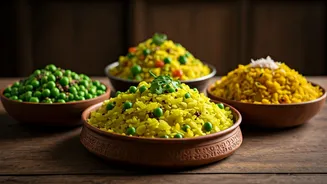
If poha has a spiritual home, it’s in the western state of Maharashtra. Here, Kanda Poha (kanda means onion) reigns supreme. This is the quintessential version many Indians think of first. The softened rice flakes are tossed in oil tempered with mustard seeds, curry leaves, and turmeric, giving the dish its signature sunny yellow hue. Sautéed onions provide a sweet, soft foundation, while peanuts add a delightful crunch. Often finished with a squeeze of fresh lime juice, a sprinkle of fresh cilantro, and sometimes a garnish of sev (crispy chickpea flour noodles), Kanda Poha is a masterclass in balanced flavors—a little sweet, a little tangy, and deeply satisfying.
The Street Food Star: Indori Poha
Travel to Indore in Central India, and you'll find a version of poha that has achieved cult status. Indori Poha is a street food legend, a flavor bomb that takes the humble dish to a whole new level. The base is similar but often steamed to be extra fluffy. The real difference is the toppings. It’s generously garnished with a unique masala blend called Jeeravan, which adds a spicy, tangy, and slightly sweet kick. Piled high with crispy sev, pomegranate seeds for a burst of juicy sweetness, and finely chopped onions, it’s a textural and flavorful party in every bite. It’s less a simple breakfast and more of an event.
The No-Cook Wonder: Dadpe Pohe
What if you could make a delicious poha without turning on the stove? Enter Dadpe Pohe, a specialty from the Konkan coast of Maharashtra. This version is a genius, warm-weather solution. Thin poha flakes are mixed with freshly grated coconut, finely chopped onion, tomato, and cilantro. A tempering of hot oil with mustard seeds and asafoetida is poured over the mixture, which wilts the ingredients just enough and infuses them with flavor. The heat is generated by the tempering itself—no further cooking required. A squeeze of lime at the end brings it all together. It's a fresh, zesty, and almost instant salad-like poha that’s perfect for a quick snack.
The Sweet and Tangy Twist: Bengali Chire'r Pulao
Heading east to Bengal, poha (known as 'chire') takes on a different personality in the form of Chire'r Pulao. This version leans more towards a savory pilaf and often has a delightful sweet and tangy flavor profile. The flattened rice is stir-fried with vegetables like carrots, peas, and potatoes, often with the addition of cashews or raisins for richness and sweetness. It's seasoned more subtly, sometimes with ginger and a touch of garam masala, but the balance of sweet, savory, and nutty notes makes it distinct. It's less of a rushed breakfast and more of a special-occasion snack or a light lunch, showcasing the region's love for complex, layered flavors.