

The Romantic Allure of Rainwater
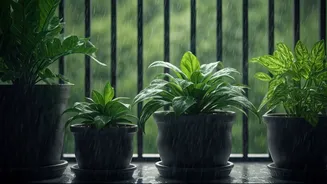
Let’s be honest, collecting rainwater feels like peak plant parenthood. It’s a sustainable, free, and seemingly superior alternative to what comes out of the tap. The logic is sound: rainwater is naturally soft, slightly acidic, and free of the chlorine
and minerals that can accumulate in potting soil and harm sensitive plants over time. For species like carnivorous plants, orchids, and calatheas—which are notoriously fussy about water quality—rainwater is often recommended as the gold standard. It’s the stuff they’d get in their native habitats, so it must be perfect, right? This line of thinking has led countless well-intentioned indoor gardeners to set up buckets and barrels, confident they’re giving their plants the very best. And in many cases, they are. But the story isn't always that simple.
The Trap: Not All Rain Is Created Equal
Here’s where the trap springs. The pristine rainwater falling from the sky isn't necessarily what ends up in your watering can. Especially in urban and suburban areas, rain acts as a natural air freshener, washing pollutants out of the atmosphere. As it falls, it can pick up sulfur and nitrogen oxides, leading to acid rain. More significantly, the water that runs off your roof and into your collection barrel is a cocktail of whatever is sitting up there. We’re talking asphalt shingle particles, bird droppings, dust, pollen, and even heavy metals from roofing materials or industrial pollution. This runoff can create a nutrient imbalance or introduce harmful substances to your plants. Water that sits in an open barrel for weeks can also become a breeding ground for mosquito larvae and algae, which you definitely don’t want to introduce to your indoor ecosystem.
What About Your Trusty Tap Water?
If rainwater is potentially problematic, is tap water the safe bet? Yes and no. Municipal water is treated to be safe for human consumption, which involves adding chemicals like chlorine or chloramine to kill pathogens. While fine for us, these disinfectants aren't great for the beneficial microbes in your plant’s soil. The bigger issue for many plants is mineral content. 'Hard water,' common in many parts of the U.S., is high in dissolved minerals like calcium and magnesium. Over time, these can build up on the soil surface, appearing as a white, crusty layer, and can alter the soil's pH, making it harder for the plant to absorb nutrients. You might notice the leaves of sensitive plants like prayer plants or ferns developing brown, crispy edges—a classic sign of mineral burn from tap water.
A Smarter Hydration Strategy
Avoiding the plant-parent trap doesn’t mean abandoning free hydration; it means getting smarter about it. The goal is to provide clean, low-mineral water as consistently as possible. If you want to use rainwater, do it safely: use a 'first-flush diverter' on your downspout to discard the first few gallons of runoff, which will be the dirtiest. Ensure your collection barrel is clean and covered. If you’re using tap water, the simplest trick is to let it sit out for 24 hours. This allows chlorine to evaporate. Unfortunately, this trick does not work for chloramine, a more stable compound used by many water districts. It also won't remove dissolved minerals. For your most prized or sensitive plants, investing in a simple countertop water filter or buying distilled water can be a game-changer. It removes both the chemicals and the minerals, giving you a clean slate.