





What Exactly Is Mango Sago?
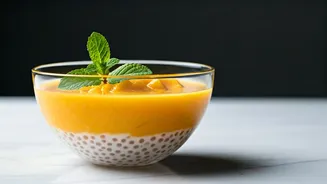
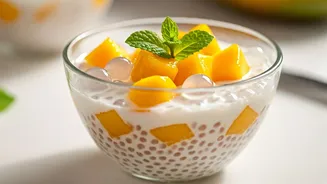
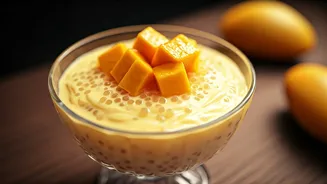
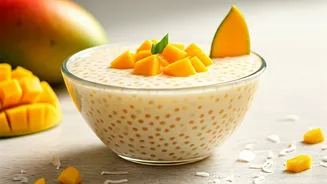
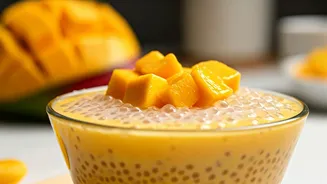
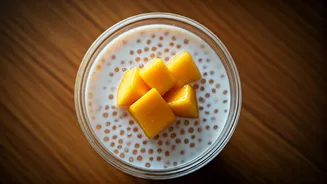
At its heart, mango sago is a simple yet brilliant combination of textures and flavors. The dessert consists of a creamy, chilled pudding made from puréed ripe mangoes, coconut milk, and sometimes a touch of condensed milk or sugar for extra sweetness.
Suspended throughout this luscious base are small, chewy sago pearls—starchy little orbs extracted from the pith of tropical palm stems. The whole creation is often topped with fresh, diced mango chunks and occasionally pomelo sacs for a burst of citrusy brightness. The result is a dessert that’s simultaneously rich and refreshing, sweet and slightly tangy. It’s the delightful contrast between the smooth, velvety pudding, the firm bite of fresh fruit, and the fun, slippery chew of the sago pearls that makes it so addictive. Unlike heavy cakes or ice creams, mango sago has a lighter, more refreshing quality that makes it a perfect treat for any time of day.
From Hong Kong Dessert Houses to Global Fame
While it may feel like a brand-new discovery to many Americans, mango sago has been a beloved classic in Asia for decades. The dessert is widely believed to have been invented in the 1980s by the renowned Hong Kong restaurant Lei Garden as a way to use the region's abundance of high-quality mangoes and pomelos. It quickly became a staple in *tong sui* (literally “sweet water”) dessert houses across Hong Kong, Singapore, and Taiwan. These establishments specialize in a wide variety of sweet soups and puddings served hot or cold, often enjoyed as a post-dinner treat or an afternoon snack. Mango sago’s journey to the U.S. is part of a larger culinary story: the growing American appetite for diverse, global flavors. As Asian dessert cafes and boba shops have proliferated across the country, they’ve brought with them a menu of classics that are now finding a massive, enthusiastic new audience.
Why Your Feed Is Suddenly Glowing
So, why the sudden explosion in popularity? For one, mango sago is incredibly photogenic. Its brilliant, sunny-yellow color pops on a screen, making it perfect fodder for Instagram and TikTok. In a world where we eat with our eyes first, it’s a visual knockout. Secondly, the dessert hits a sweet spot for modern tastes. It’s often gluten-free and can be easily made dairy-free, aligning with contemporary dietary preferences. It also feels less indulgent than a slice of cheesecake, offering a sense of light, tropical refreshment. The texture is another key factor. In the same way that boba tea introduced a generation of Americans to the joy of chewy textures in a drink, mango sago provides a similar, satisfying experience in a spoonable dessert. It's novel enough to feel exciting but familiar enough in its fruity, creamy profile to be instantly appealing.
How to Find (or Make) Your Own
Ready to get your fix? Your best bet is to check the menu at local Asian bakeries, boba tea shops, or restaurants specializing in Cantonese or Southeast Asian cuisine. Many dessert-focused cafes that have sprung up in major cities now feature it as a signature item. But part of the beauty of mango sago is its simplicity, making it a fantastic candidate for a home cooking project. The core components are easy to find at most Asian grocery stores or even larger supermarkets. You’ll need sago pearls (look for the small, white ones), coconut milk (full-fat for creaminess), a sweetener like condensed milk or sugar, and of course, the star of the show: ripe, fragrant mangoes. The process is straightforward: cook the sago pearls until translucent, blend the mango with coconut milk, and combine everything. Served chilled, it’s a surefire way to impress guests or just treat yourself.