
Beyond the Curry House
Let’s be honest: for most Americans, Indian food has long been synonymous with chicken tikka masala, saag paneer, and naan. Delicious? Absolutely. The whole story? Not even close. This menu, largely rooted in North Indian, specifically Punjabi, cuisine
and filtered through a British lens, became the de facto representation of a subcontinent with thousands of years of culinary history and dozens of distinct food cultures. Imagine if “American food” was reduced to just New England clam chowder and lobster rolls. That’s the level of simplification Indian food has endured in the West. This wasn’t a malicious act, but a function of immigration patterns and what restaurateurs believed Western palates could handle. The result was a safe, homogenous, and often overly sweetened menu that prioritized comfort over complexity, missing the incredible diversity of a nation where the cuisine can change dramatically every hundred miles.
The New Wave of Chef-Storytellers
The shift we’re seeing now is driven by a new generation of chefs, many of them second-generation Indian Americans or recent immigrants with a different mission. They aren’t just cooks; they are cultural ambassadors and storytellers. Instead of catering to a perceived American taste, they are cooking the food of their families, their hometowns, and their memories with unapologetic pride. Chefs like Chintan Pandya of New York’s acclaimed Dhamaka and Adda have been pivotal. His menus feature dishes from the “other side of India”—the food of roadside stalls and rural homes, things you’d never find in a typical curry house. This isn’t about fusion or elevation; it’s about authenticity and representation. These chefs are reclaiming their culinary heritage, serving dishes that tell a specific story about a specific place, and trusting that diners are ready to listen with their taste buds.
A Culinary Tour of the Subcontinent
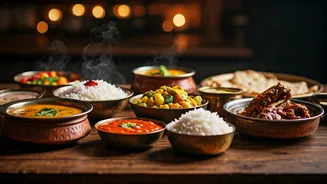
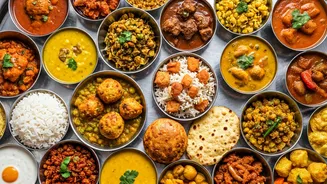
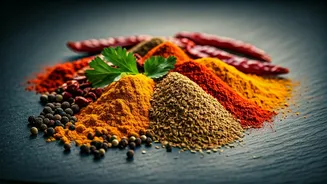
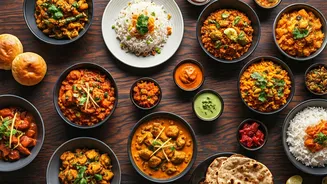
So what does this “big regional energy” taste like? It’s a vibrant, exhilarating tapestry of flavors. From the coastal state of Kerala, you get the taste of the tropics: fish curries simmered in coconut milk, tangy with tamarind, and fragrant with curry leaves. Head to Goa, and you’ll find a unique Portuguese influence in dishes like vindaloo—fiery, vinegary, and far more complex than the one-note spicy curry it often becomes on Western menus. Travel east to Bengal, and the flavor profile shifts to the pungent kick of mustard oil and delicate freshwater fish. In the western state of Gujarat, you’ll find intricate vegetarian thalis that masterfully balance sweet, sour, and savory notes in a single meal. From the fermented rice batters of the South to the smoky lamb dishes of Kashmir in the North, the variety is staggering. Each region has its own spice blends (masalas), cooking fats, and signature grains, creating entirely distinct culinary worlds.
Why Now? A Perfect Culinary Storm
This movement isn’t happening in a vacuum. Several forces have converged to make this the perfect moment for regional Indian food to shine. First, American diners have become exponentially more adventurous. Decades of food television, travel, and access to global cuisines have cultivated a curiosity that extends far beyond the familiar. People don’t just want “spicy”; they want to know *why* it’s spicy and where that heat comes from. Second, social media has been a game-changer. A beautifully plated Goan fish curry or a vibrant Gujarati thali is infinitely more shareable on Instagram than a homogenous brown sauce. Platforms like Instagram and TikTok allow chefs to bypass traditional media gatekeepers and connect directly with diners, educating them about a dish’s origin and significance. It creates a direct line from the chef’s story to the diner’s feed, building excitement and a sense of discovery before they even book a table.