
Beyond the Mithai Box
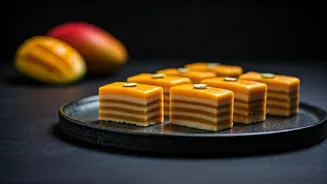
For generations of Americans, Indian sweets—or mithai—were often encountered in a specific context: packed into colorful boxes during festivals like Diwali, or served as a syrupy, intensely sweet finale at a restaurant buffet. Delicious, yes, but not
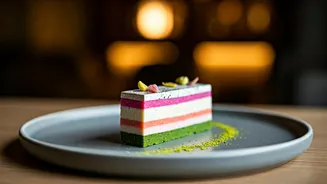
exactly what you’d grab with your morning latte. That’s changing, and fast. The new guard of Indian desserts is breaking out of the special-occasion box and into the everyday chic of the modern American café. This isn't about abandoning tradition but evolving it. The core flavors are still there—the warmth of cardamom, the floral notes of rosewater, the nutty depth of pistachio—but the execution is entirely different. Think less dense and sugary, more light, airy, and visually stunning. This is about deconstructing familiar tastes and reassembling them with French pastry techniques, contemporary plating, and a sensibility that values balance over a pure sugar rush. The result is something that feels both nostalgic and refreshingly new, perfectly suited for a glass pastry case.
The Diaspora-Driven Remix
So, why is this happening now? The trend is largely powered by a generation of Indian-American chefs and entrepreneurs who grew up between two culinary worlds. They have a deep-seated love for the gajar ka halwa (carrot pudding) and gulab jamun (syrup-soaked dough balls) of their childhood, but they also trained in Western culinary schools and appreciate the delicate architecture of a croissant or the creamy subtlety of a panna cotta. For them, blending these influences is as natural as breathing. They’re asking questions like, “What if a gulab jamun wasn't just soaked in syrup, but filled a donut?” or “What if the flavors of ras malai were layered in a delicate cheesecake?” This culinary renaissance also meets a receptive audience. American palates have grown more adventurous, seeking out complex, global flavors in everything from tacos to toast. The visual-first culture of Instagram has also played a huge role. A perfectly piped pistachio-rose éclair or a slice of saffron-swirled cake isn't just a dessert; it's a statement. These new Indian sweets aren’t just delicious—they’re beautiful, shareable, and undeniably cool.
The New Classics to Look For
As this trend blossoms in bakeries and cafés from New York to California, a new canon of hybrid classics is emerging. These are the gateway desserts that perfectly capture the fusion of Indian flavors with café culture. While recipes vary, they all share a common DNA: they take a familiar Indian flavor profile and present it in an accessible, contemporary format. They’re the perfect introduction to this exciting movement, proving that the future of dessert is layered, spiced, and utterly irresistible.
The Gulab Jamun Cheesecake
Perhaps the poster child of the modern Indian dessert trend, this creation is pure genius. It takes the beloved gulab jamun—soft, spongy balls of fried dough soaked in a fragrant sugar syrup—and embeds them within a creamy, tangy cheesecake. The cake’s texture cuts the sweetness of the syrup, while the gulab jamun provides a surprising, decadent burst of flavor and texture. Often garnished with pistachios and rose petals, it’s a showstopper that elegantly bridges two dessert worlds.
Cardamom Buns and Chai Croissants
Here, the influence is less about incorporating a whole dessert and more about infusing a classic pastry with an iconic Indian spice. The warm, slightly citrusy, and aromatic flavor of cardamom is a natural fit for buttery, laminated dough. A cardamom-laced morning bun or a croissant filled with a masala chai-spiced frangipane transforms a European staple into something excitingly different. It’s the perfect accompaniment to a flat white, offering a familiar form with an unexpected and delightful flavor twist.
The Deconstructed Kheer Tart
Kheer, a traditional Indian rice pudding, is comforting and soulful. The modern café version takes that soul and gives it an architectural makeover. Imagine a crisp tart shell filled with a lightly set rice pudding custard, topped with saffron threads, slivered almonds, and perhaps a gelée made from rosewater. All the components of the original are present, but the textures are distinct and the presentation is elevated from a humble bowl to an elegant pastry, ready for its close-up.