





More Than Just a Vacation
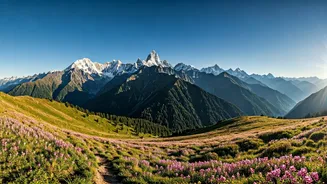
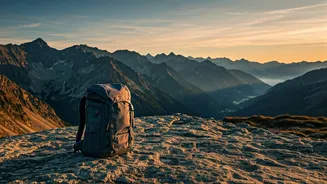
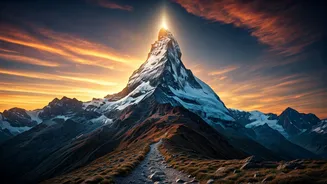
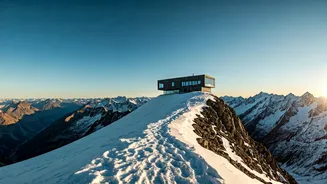
This isn't your standard beach getaway. High-altitude cultural travel trades infinity pools for thin air and all-inclusive buffets for challenging treks. Think less 'fly and flop' and more 'hike and hope.' The destinations are as intentional as the mindset:
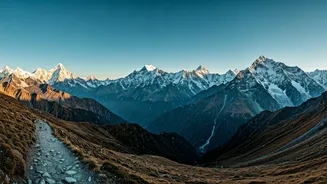
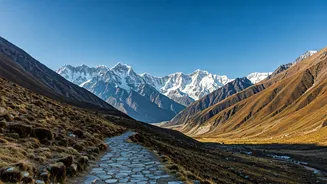
the ancient trails of the Peruvian Andes, the serene monasteries of Bhutan, or the rugged mountain passes of Nepal. This type of journey is defined by a powerful combination of three elements: physical exertion in a demanding environment, immersion in a culture profoundly different from one’s own, and disconnection from the hyper-connectivity of daily life. It’s a deliberate choice to swap comfort for challenge, seeking a reset that feels earned and transformative, rather than a temporary pause before returning to the same old grind.
The Psychology of Elevation
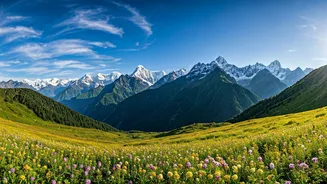
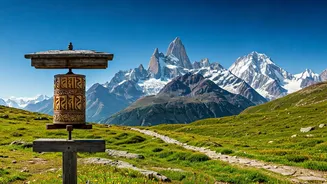
So why does trading oxygen for altitude feel so restorative? The magic lies in how it short-circuits the modern brain. Psychologists talk about the power of 'awe'—that feeling of being in the presence of something vast and overwhelming, like a panoramic Himalayan vista. Experiencing awe has been shown to decrease stress and increase feelings of well-being and connection by putting our own anxieties into perspective. Furthermore, the physical demands of trekking at altitude force a kind of mindfulness. You can’t ruminate on work emails when you’re focused on your next breath and your next footstep. This forced presence, combined with the natural endorphin rush from exercise, creates a state of mental clarity that’s hard to achieve in a bustling city or even on a relaxing but distraction-filled holiday.
A Connection Deeper Than Wi-Fi
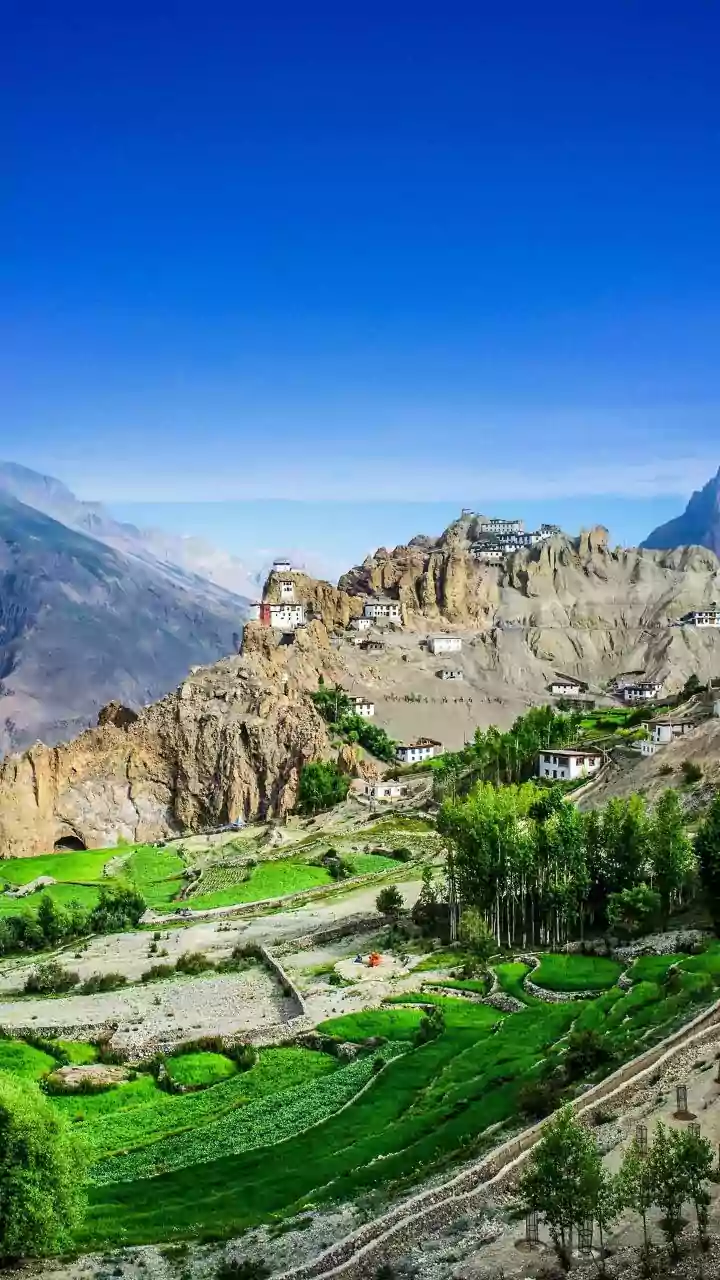
The 'cultural' component is just as crucial as the 'high-altitude' one. In many of these remote mountain regions, life moves at a different pace, governed by seasons and traditions, not by quarterly reports and push notifications. The lack of reliable Wi-Fi isn’t a bug; it’s a feature. It compels travelers to connect with their immediate surroundings—the landscape, their fellow travelers, and, most importantly, the local communities. Sharing a cup of butter tea with a family in a Nepalese teahouse or witnessing a centuries-old ceremony in a village in the Sacred Valley provides a powerful dose of perspective. These interactions remind us that there are other, equally valid ways of living, and that human connection is a far more potent source of fulfillment than a glowing screen.
The Antidote to Burnout Culture
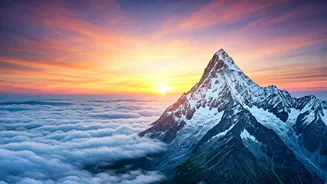
Ultimately, the rise of high-altitude cultural travel is a direct response to the pathologies of burnout culture. In a world that prizes constant productivity and availability, this form of travel is an act of rebellion. It’s not about escaping life, but about finding a more elemental version of it. The physical challenge rebuilds a sense of capability and resilience that office life can erode. The mental quiet recharges a brain fried by information overload. And the cultural immersion offers a new perspective that can reframe personal and professional priorities back home. It suggests that the best way to recover from the stress of climbing the corporate ladder might be to go climb an actual mountain, where the view from the top offers a clarity that no promotion ever could.