




The Rise of 'Green Season' Travel
For years, the word “monsoon” was a dealbreaker for travelers planning trips to destinations like Southeast Asia or India. It conjured images of washed-out roads, canceled tours, and days spent trapped indoors. But savvy travelers and clever tourism boards
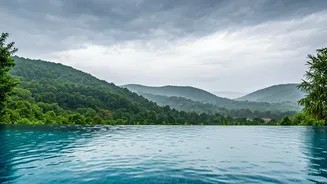
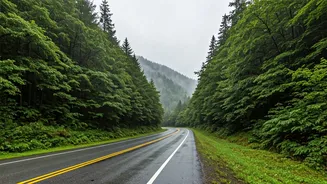
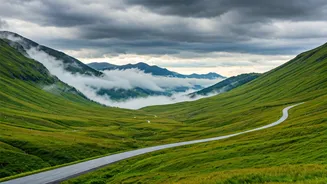
have rebranded this rainy period as the “green season.” Instead of a liability, the rain is now pitched as an asset. It’s a time when waterfalls are at their most powerful, rice paddies are a shocking, vibrant green, and the dust of the dry season is washed away, leaving the air fresh and clean. The result is a travel experience that feels more authentic, atmospheric, and far removed from the sweaty, overcrowded peak season.
The Unbeatable Perks: Budgets and Breathing Room
The most compelling argument for monsoon travel is, without a doubt, the price. Five-star resorts in places like Thailand, Bali, or Vietnam that would be prohibitively expensive from December to February can suddenly become affordable. We’re talking discounts of 30-50% or more on luxury accommodations, often with added perks like free spa treatments or daily cocktails thrown in to sweeten the deal. But the benefits go beyond your wallet. The second major perk is the glorious absence of crowds. Imagine having a world-famous temple complex nearly to yourself, or being one of only a handful of people on a stunning beach. This solitude allows for a deeper, more personal connection to a place, free from the jostling elbows and endless selfie sticks of high season.
Where the Rain Beckons
This trend is most prominent across Asia. In Thailand, the islands of Koh Samui or the northern region around Chiang Mai offer lush scenery and incredible value from June to October. Vietnam’s central coast, including Da Nang and Hoi An, sees its green season in the same period, with dramatic storms that often pass quickly. In India, the state of Kerala transforms into a verdant paradise, with a focus on wellness and Ayurveda retreats that feel even more restorative amidst the rain. But the phenomenon isn’t exclusive to Asia. The summer monsoon in the American Southwest, particularly in Arizona, brings its own dramatic beauty, with breathtaking lightning storms over desert landscapes and a welcome break from the blistering heat.
A Quick Reality Check
Before you book, let’s be clear: it’s not all romantic drizzles and empty beaches. It’s called the rainy season for a reason. You will likely experience downpours, and sometimes they can last for hours, not minutes. Ferry services between islands can be canceled, and some smaller hiking trails or national parks may be closed due to safety concerns. Humidity is also a factor; it’s a different kind of heat that can feel intense. The key is managing expectations. You’re not signing up for a week of uninterrupted sunbathing. You’re signing up for a different kind of adventure—one that requires flexibility, a good book, and an appreciation for an afternoon spent watching a storm roll in from the comfort of a beautiful hotel.
How to Master Monsoon Travel
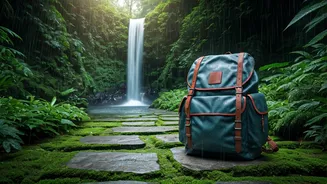
Success lies in preparation. First, pack smart: prioritize quick-drying clothes, a reliable waterproof jacket, and sturdy, non-slip footwear. A waterproof bag or cover for your electronics and documents is non-negotiable. Second, build flexibility into your itinerary. Don’t schedule back-to-back tours that could be ruined by a single storm. Instead, plan one main activity per day and leave room for spontaneity—or a cozy afternoon nap. Finally, choose your accommodations wisely. This is the time to splurge on a hotel with great amenities. A beautiful infinity pool, a high-quality spa, an excellent restaurant, or a room with a covered balcony can turn a rainy afternoon from a disappointment into a highlight of your trip.