








Beyond the Polished Influencer
For the last decade, digital fitness has been dominated by personality. We follow trainers we like, subscribe to apps fronted by celebrities, and trust that the workouts prescribed are effective. This model has built billion-dollar companies and turned
trainers into global brands. Yet, it has a fundamental weakness: a lack of personalization and scientific feedback. An influencer’s “killer ab workout” is the same for a 22-year-old athlete as it is for a 45-year-old beginner. Form correction is nonexistent, and progress tracking is often manual and inexact. This one-size-fits-all approach has left a massive opening in the market for something smarter, more accessible, and more data-driven. While Silicon Valley has focused on expensive hardware like Peloton and Mirror, a quieter, more scalable revolution has been brewing elsewhere, built on software, data, and the processing power of the phone in your pocket.
The New Fitness Factories
The headline-grabbing number of “five hundred labs” points not to a single government program, but to a sprawling, decentralized ecosystem of innovation. Across India, hundreds of engineering colleges, technical institutes, and university-affiliated incubators are becoming hotbeds for fitness technology. Bolstered by national initiatives like “Khelo India” (Let's Play India) and “Startup India,” these institutions are actively encouraging students to tackle real-world problems. And the $100+ billion global wellness market is a prime target.
Instead of just writing academic papers, computer science and biomechanics students are forming teams to build market-ready products. These are not your typical research labs with beakers and white coats. They are computer labs filled with students using open-source AI frameworks, motion-capture libraries, and cloud computing platforms to build sophisticated applications on shoestring budgets. They are transforming university campuses into a distributed R&D engine for the global fitness industry.
From AI Coaches to Gamified Rehab
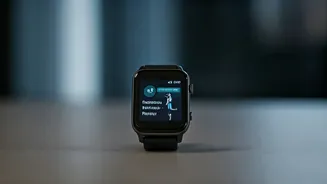
So what does this “redefined” content look like? It’s less about watching and more about interacting. The most significant innovation is the rise of the AI-powered virtual coach. Using just a smartphone camera, new apps can analyze a user’s movements in real-time. Are your knees caving on your squat? Is your back rounded on your deadlift? The app can provide immediate auditory or visual feedback, something previously only available from an expensive personal trainer.
Another major area is hyper-personalization. By tracking metrics like reps, range of motion, and even estimated fatigue, algorithms can dynamically adjust your next workout to be more or less challenging, ensuring continuous progress without burnout. Others are focused on gamification, turning physical therapy exercises into engaging mobile games to improve patient adherence. This isn't just a new filter for Instagram videos; it’s a fundamental shift from passive content consumption to active, data-driven training.
Why India Is Leading the Charge
This movement couldn’t happen just anywhere. India possesses a unique convergence of factors that make it the ideal breeding ground for this trend. First is its demographic dividend: a massive, young, tech-savvy population and one of the world's largest and fastest-growing smartphone markets. Second is its world-class engineering education system, which produces over a million engineering graduates annually, creating a deep pool of affordable, high-skilled talent. Third is the explosion of accessible data and low-cost computing power.
This combination allows Indian startups to develop sophisticated AI products at a fraction of the cost of their Western counterparts. While a Silicon Valley startup might spend millions on a team of PhDs, a team of bright students in Bengaluru or Hyderabad can build a viable prototype as part of their coursework. This isn't about outsourcing; it's about homegrown innovation designed for scale, poised to be exported globally.